Choosing the right microphone as a beginner can make a big difference in how your voice comes through, whether you’re practicing at home or performing for friends and family. The following picks cover a range of styles—from dynamic handheld mics to compact USB/portable options—aimed at new singers who want reliable sound without overcomplicating setup. Each product listed below has features that help minimize feedback, improve clarity, and keep your practice sessions fun and productive.
| Product | Brand | Highlight |
|---|---|---|
| LyricLoom Professional Wired Microphone | LyricLoom | Solid build, cardioid pattern, long cable |
| JUSTAUS Keyboard Microphone | JUSTAUS | Compact for kids and beginners |
| MIZISNR 4 Channel Wireless System | MIZISNR | Freestyle mobility with multiple channels |
| GALPADA Mini Tiny Microphone | GALPADA | Ultra-portable, for quick practice on the go |
| CAD Audio GXL2200 | CAD Audio | Large-diaphragm condenser for nuanced tone |
These options range from approachable handheld dynamics to compact keyboards and compact recording mics. They’re suitable for beginners who want straightforward setup, decent feedback control, and clear vocal reproduction without complex signal chains. The list prioritizes reliability, ease of use, and compatibility with common beginner setups like practice rooms, small venues, or home studios.
LyricLoom Professional Wired Microphone for Singing

The LyricLoom corded microphone features a professional dynamic core for delicate, clear vocal reproduction. Its cardioid pickup helps isolate sound from ambient noise and reduce feedback, which is beneficial for beginners still mastering stage control. A metal body design adds durability, and the included 16.4-foot cable provides flexibility for small stages or room setups. The built-in switch offers convenient on/off control, useful during practice or casual performances. This mic is plug-and-play with various devices, eliminating the need for batteries or extra gear for most beginners.
Key strengths for new singers include straightforward operation, stable sound, and practical noise suppression. Users will likely appreciate the natural vocal tone and the robust build that tolerates occasional drops or busy practice spaces. While not a specialized studio microphone, its reliability makes it a strong starter choice for karaoke, small gigs, or home practice sessions.
JUSTAUS Keyboard Microphone

The JUSTAUS keyboard microphone is a small, portable option designed for children or beginners using electronic pianos and keyboards. Its 3.5mm connection makes it accessible for quick, plug-and-play use with beginner-friendly setups. Weighing around 50g, it’s easy to handle for young singers or newcomers who prefer a simple, compact mic during practice. While not intended for professional stage use, this mic provides a functional entry point for early voice exploration and musical play, particularly in home or classroom environments.
Ideal for early-stage vocal experimentation, this option encourages regular practice without the intimidation of larger equipment. It is best used in conjunction with keyboard practice or basic vocal warm-ups, helping new singers build confidence and basic mic handling skills.
MIZISNR 4 Channel Wireless System
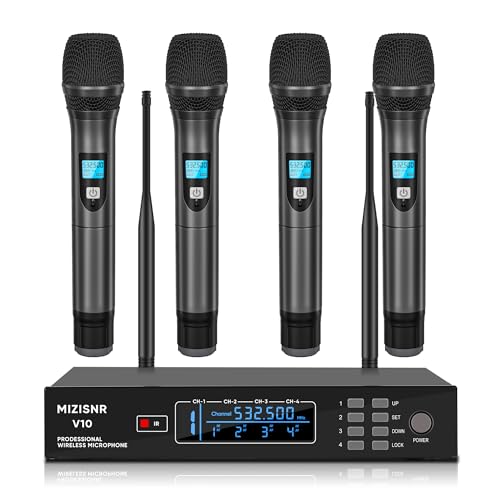
This 4-channel wireless system offers flexibility for practice spaces or small performances. Each handheld microphone uses a cardioid capsule to reduce feedback and background noise, helping new singers maintain clean vocal presence. The system supports up to 300 feet of range, enabling freedom of movement during performances or stage practice. With 50 adjustable frequencies per mic, you can minimize interference when using multiple wireless systems in the same area. The setup is straightforward, making it accessible for beginners who want to explore wireless options without a steep learning curve.
Overall, it provides reliable signal transmission and clear sound, which is valuable for beginners who need predictable performance in varied environments. The ability to rotate through frequencies can be a practical advantage for home studios, rehearsal rooms, or small venues where multiple wireless devices are in use.
Lucky Egg Official Grab The Mic

This family-friendly karaoke board game includes a foam microphone and lyric-based challenges designed for mixed singing abilities. While not a traditional vocal microphone, it can be a fun way for beginners to engage with singing in social settings and build comfort performing in front of others. The fast-paced, game-style format encourages participation and reduces performance anxiety for new singers, making it a practical addition to practice nights or gatherings where singing is part of the entertainment.
GALPADA Mini Tiny Microphone

The GALPADA mini microphone offers ultra-compact size for quick practice on the go. This lightweight mic is designed for casual singing sessions with a smartphone or similar device, making it convenient for beginners who want to practice vocal exercises outside the home studio. It’s described as having good sound quality for its form factor, though users should manage expectations regarding volume and fidelity compared with larger, dedicated vocal mics. It’s a handy tool for on-the-fly warm-ups or travel practice sessions.
CAD Audio GXL2200 Large-Diaphragm Condenser Microphone
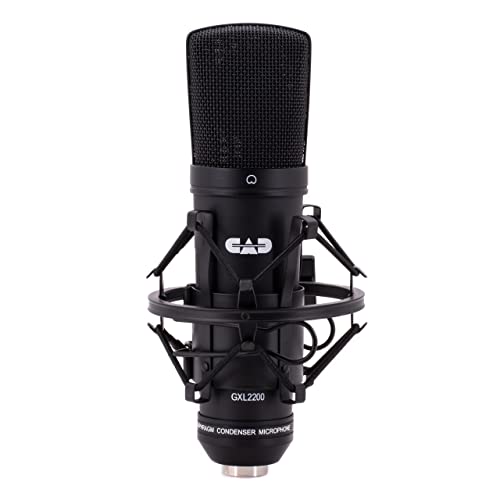
The CAD Audio GXL2200 is a large-diaphragm condenser microphone suited for capturing nuanced vocal performances, such as in home studios or practice spaces. It uses an externally biased condenser mechanism with a cardioid pattern and a broad frequency response from 30 Hz to 20 kHz, offering warmth and detail that can benefit beginners seeking a more polished sound. While condensers typically require phantom power, this model is widely compatible with common studio interfaces. It’s a solid step up for singers moving toward more serious home recording or vocal practice, providing a richer tonal palette for practice recordings and demonstrations of progress.
Buying Guide: Key Purchase Considerations for Beginner Singers
When choosing a microphone as a beginner, several factors influence performance and satisfaction. Consider the intended use, such as home practice, karaoke, or small live spaces, and match the mic to the environment and your vocal style. Start with user-friendly options that require minimal setup and offer good feedback rejection to reduce frustration during early sessions. Durability and comfort matter for longer practice periods, especially for younger singers or first-time performers.
Signal type and compatibility are important. Dynamic handheld mics are forgiving, require no phantom power, and handle loud sources well, which makes them a common first-choice for beginners. Condenser mics can offer superior detail but usually need phantom power and careful handling to avoid room noise; they’re often best for home studios or more controlled spaces. Wireless systems provide movement during performance but introduce potential interference, so ensure the system supports multiple channels and reliable range for your space.
Noise handling and feedback control are central to a confident practice routine. Cardioid patterns help isolate the voice from room noise and stage leakage, while built-in features like wind and pop protection can improve clarity during practice. Consider whether you need a built-in switch, detachable cables, or longer cords for flexibility in your setup. Lastly, think about future goals: if you plan to upgrade later, choose a model that scales with a growing home studio or small-stage ambitions.
In terms of total value, many beginners benefit from starting with a reliable dynamic handheld mic for live practice, a compact mic for keyboard or mobile use, and a basic wireless option for movement during practice sessions. A studio-friendly option such as a large-diaphragm condenser may be worth exploring later as you begin recording at home. Balancing ease of use, sound quality, durability, and price will help you select the best combination for your current and future vocal goals.