Drones demand fast, reliable storage to capture high‑resolution photos and 4K video without interruptions. This guide highlights five military-grade memory cards ideal for drone use, balancing speed, capacity, and endurance. Each pick supports high write speeds, durable construction, and compatibility with common drone platforms. Whether you’re recording panoramic gigs or epic chase sequences, these microSD cards are designed to keep up with your flight sessions.
| Product | Brand | Capacity | Key Speeds | Notes |
|---|---|---|---|---|
| SanDisk Extreme MicroSDXC 256GB | Sandisk | 256 GB | Up to 190 MB/s read; U3, V30, A2 | High offload speeds; great for 4K/5K workflows |
| Potensic 256GB Memory Card | Potensic | 256 GB | Up to 100 MB/s read | Drone‑focused with capacious option |
| SanDisk Extreme 512GB MicroSDXC | Sandisk | 512 GB | Up to 190 MB/s read; U3, V30, A2 | Extra room for long shoots |
| Amazon Basics 256GB Micro SDXC | Amazon Basics | 256 GB | Read up to 100 MB/s | Value‑oriented, compatible with drones |
| TEAMGROUP 256GB MicroSDXC | TEAMGROUP | 256 GB | Read up to 100 MB/s; Write 50 MB/s | All‑terrain durability claims |
Below are detailed sections for each recommended card. Each entry highlights compatibility with drones, speed characteristics, and practical use cases to help you compare at a glance.
SanDisk Extreme 256GB MicroSDXC For Drones

The SanDisk 256GB Extreme microSDXC card is engineered for faster offload and reliable drone performance. With up to 190 MB/s read speeds enabled by SanDisk QuickFlow Technology, it accelerates transferring high‑resolution footage from the camera to your editor. It maintains U3 and V30 ratings for stable 4K and higher bitrate recording. This card is compatible with microSDHC and microSDXC devices and is commonly used with drone flight controllers that support UHS‑I interfaces. The card pairs well with SanDisk’s PRO‑READER for maximum throughput, and its capacity suits multi‑hour flight sessions or large RAW photo bursts. It is also tested for broad device compatibility beyond gaming consoles and cameras.
Ideal use cases include 4K or higher video capture on popular consumer drones, long autonomous flight missions, and rapid data offload between flight sessions. Real‑world performance can vary by drone model, card formatter, and host interface. Users should format cards in the drone or a PC ahead of a shoot to ensure optimal performance and to minimize write latency during recording.
Potensic 256GB Memory Card For Drones

Potensic’s 256GB microSD card delivers a drone‑oriented storage option with practical capacity for longer flights or higher‑resolution capture. The card advertises a read speed of up to 100 MB/s, which supports steady video recording and efficient file transfers after landing. While the listing emphasizes drone use, it also highlights compatibility with standard microSDXC hosts. Depending on the drone and camera settings, write speeds may vary, so it’s wise to format properly and use a card with a robust U3/V30 rating for sustained 4K footage. This option is a balanced pick for pilots who want ample space without overspending.
For best results, pair with a high‑speed reader when offloading, and consider pairing with a reliable USB 3.0 card reader to minimize transfer times on location. As with all microSDXC cards, avoid exposing the card to extreme temperatures or physical shocks during flights to protect stored data.
SanDisk 512GB Extreme MicroSDXC

The 512GB version from SanDisk extends capacity for pro‑level drone workflows, offering up to 190 MB/s read speeds and the same robust U3, V30, and A2 specifications. This card is designed for 4K and 5K content, enabling longer recording times without frequent swaps. It also follows the same QuickFlow technology family, which helps maximize sustained performance when used with compatible readers or devices, though real‑world speeds depend on host capabilities. If you routinely shoot long aerial sessions or pack multiple high‑res clips in a single flight, the 512GB option reduces the need for frequent offloads.
Consider this capacity upgrade if your drone’s internal storage is limited or if you want to future‑proof against larger codecs. Remember to keep cards properly formatted and to test buffer behavior before critical shoots to avoid lossy footage gaps during flight planning.
Amazon Basics 256GB Micro SDXC
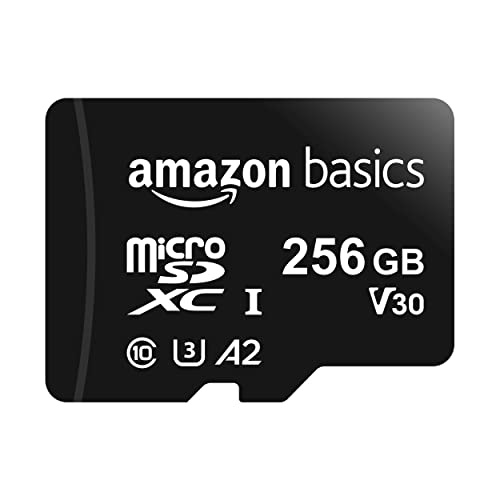
Amazon Basics offers a value‑oriented 256GB microSDXC card with a full‑size adapter. It’s designed for broad compatibility across consumer electronics, including drones, action cameras, and mobile devices. The card supports U3, Class 10, and A2 performance levels, aiming to balance high read speeds with solid real‑world write performance. This makes it a compelling choice for hobbyist pilots who want dependable storage without a premium price tag. When using this card in drones, ensure your device supports UHS‑I speeds and that you format for the drone’s requirements to maintain smooth video capture.
As with all budget friendly options, expect variability in sustained write performance under continuous 4K recording. It’s prudent to have a backup card ready for longer flight campaigns and to perform regular offloads to prevent data loss from a single card failure.
TEAMGROUP 256GB MicroSDXC For Drones

TEAMGROUP’s 256GB microSDXC card targets action cameras and drones with a focus on ruggedness and compatibility. The read speed reaches up to 100 MB/s, with a write rate of about 50 MB/s, which is adequate for many drone video and still workflows, especially when shooting at 1080p or 4K with moderate bitrate. The listing emphasizes environmental durability, including waterproofing, dustproofing, and resistance to temperature extremes, which is valuable for field use. A practical pick for pilots who need reliable storage in challenging outdoor conditions and want a card that can endure tough environments while delivering steady performance.
When using this card, verify that your drone’s camera settings align with the card’s capabilities. For high‑end flight captures or rapid burst modes, pairing with higher‑end microSD cards may reduce incidence of dropped frames. Always maintain backups and format the card to prevent data fragmentation that could affect read/write reliability on future flights.
Buying Guide: Key Purchase Considerations For Drone Memory Cards
- Capacity vs. flight duration: Higher capacity reduces the need to swap cards during long sessions. Choose 128 GB, 256 GB, or 512 GB based on expected flight time and codec bitrate.
- Speed ratings: Look for U3 and V30 classifications, with A2 for apps and quick file management on the go. For 4K or higher, prioritize cards with 190 MB/s read and strong write performance.
- Durability: Consider waterproof, dustproof, and temperature‑resistant designs for outdoor flying and rugged environments.
- Device compatibility: Ensure your drone supports UHS‑I interfaces and the card’s speed class to avoid bottlenecks during recording.
- Formatting and offloading: Format the card in the drone when possible and maintain a reliable workflow for offloading footage to reduce data loss risk.
- Reliability and brand ecosystem: Reputable brands with robust warranties and availability of readers (like PRO‑READER) can improve long‑term reliability and speed during post‑flight editing.
- Backup strategy: Always carry at least one spare card and consider a dual‑card workflow to minimize downtime between flights.
- Price versus performance: Budget cards offer value but may have slower sustained write times. For professional use, invest in cards with consistent performance across capacities.