Discover versatile low-light binoculars designed to perform when the daylight fades. This guide highlights five reliable models, covering varied magnifications, sizes, and waterproof durability. Whether you’re birding at dusk, stargazing, or enjoying nighttime travel, these options balance brightness, comfort, and value for American outdoors and hobbyists.
| Product | Magnification / Objective | Low-Light Capability | Notes |
|---|---|---|---|
| Occer 12×25 Compact Binoculars | 12×25 | Yes (low light vision) | Large eyepieces; adjustable eye cups |
| FLYANT 20×50 High Powered Binoculars | 20×50 | Excellent light transmission | BAK4 + FMC coatings |
| AcePath 15×56 Binoculars | 15×56 | Ultra clear low light | Comfortable eyepieces; glasses-friendly |
| Deesoo 20×52 Binoculars | 20×52 | Bright in low light | BAK-4 prism; FMC |
| OPAITA 20×32 Compact Binoculars | 20×32 | Good low light performance | Lightweight; wide field |
Occer 12×25 Compact Binoculars
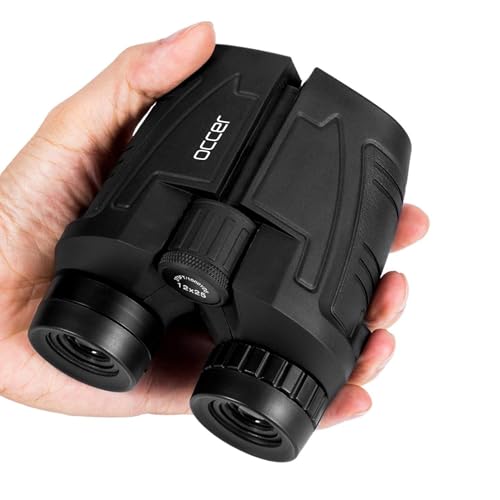
Occer 12×25 compact binoculars emphasize high-power performance in a small frame. With 12x magnification and a 25mm objective lens, they deliver a 273 ft/1000 yd field of view. FMC broadband coating and a premium BAK4 prism enhance image verisimilitude, while adjustable eye cups accommodate eyeglass wearers. The long eye relief and large eyepieces improve comfort for extended viewing, even when wearing sunglasses or glasses. This model targets bird watching, travel, outdoor activities, and sightseeing where portability matters.
FLYANT 20×50 High Powered Binoculars

FLYANT’s 20×50 model provides a strong long-range view with a broad field at distance, suitable for distant wildlife, travel, and events. It features a 168-yard field of view at 1000 yards and optimized eye relief for comfortable viewing. Multilayer-coated aspherical lenses and BAK4 prisms maximize light transmission for bright, clear images. The green FMC coatings reduce glare, supporting sustained viewing from dawn to dusk. These are well-suited for enthusiasts who prioritize brightness and detail at higher magnifications.
AcePath 15×56 Binoculars

AcePath delivers a compact powerhouse with 15×56 magnification and a 315 ft/1000 yd field of view. With a 20mm eyepiece, it aims for crisp, distortion-free images and comfortable extended use. The binoculars emphasize low-light performance via BAK4 prisms and FMC coatings, improving light transmission to near 99.8%. Adjustable eyecups support glasses wearers, ensuring a full field of view. This model suits birding, hiking, hunting, travel, and stargazing where detail at distance matters.
15×52 HD Binoculars (GIGAPENGUIN)

The 15×52 HD model emphasizes high-powered viewing with a large 22mm eyepiece, delivering crisp details across long distances. It uses a 22mm eyepiece for a wider, brighter image and supports smartphone photography with an updated adapter. The design focuses on reduced eye fatigue and a broader field of view, ideal for wildlife observation, travel, and stargazing while remaining portable and practical for everyday use.
Leacco 10×25 Compact Binoculars

Leacco offers a lightweight option with 10x magnification and 25mm objectives, yielding a 328 ft/1094 yd field of view at 1000 yards. Built with BAK4 prisms and FMC coatings, these binoculars strive for bright, accurate visuals in low-light conditions. The compact build (0.6 lb) uses shock-absorbing silicone for comfortable handling, making them suitable for cruises, bird watching, and casual travel. They appeal to users seeking a portable, budget-friendly low-light viewing solution.
Adorrgon 12×42 HD Binoculars
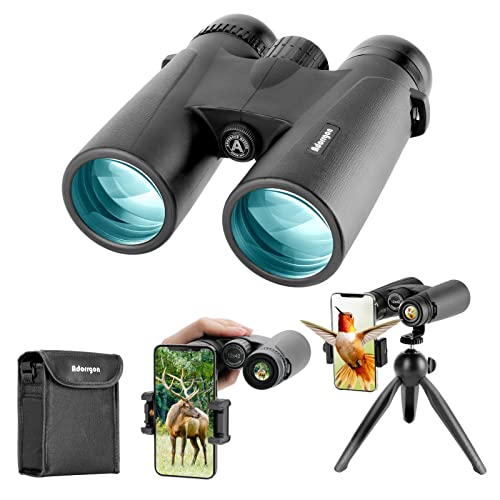
Adorrgon’s 12×42 model balances power and weight, offering a 367 ft/1000 yd field of view. It emphasizes low-light vision through fully multi-coated lenses and large 16.5mm BAK4 prisms to brighten the image. The 18.5mm large eyepiece provides a larger, brighter view, enhancing detail visibility for birding, hunting, or concerts at night. A strong choice for those needing a bright, clear view at medium magnification levels.
Deesoo 20×52 Binoculars

Deesoo 20×52 binoculars offer high magnification with a 52mm lens and a 168 ft/1000 yd field of view. They use a multi-coated lens with BAK-4 prism and FMC coating to maximize light transmission, delivering bright, detailed images even in weaker light. The 26mm eyepiece aligns with human-eye ergonomics, reducing fatigue during extended observation. The design aims at birding, travel, hunting, and outdoor sports where light levels may vary.
Buying Guide: Key Considerations For Low-Light Binoculars
When selecting binoculars for low-light use, consider the following:
- Magnification and objective size: Higher magnification (e.g., 15x-20x) pairs with larger objectives (50mm+) to improve brightness, but can reduce field of view and stability. Balance magnification with weight and handling comfort.
- Light transmission and coatings: Look for models with BAK-4 prisms and fully multi-coated (FMC) lenses. These coatings maximize light transmission and minimize glare, enhancing brightness in twilight or dawn conditions.
- Eye relief and eyecups: Large eyepieces and adjustable eyecups help eyeglass wearers see the full field of view without vignetting. If you wear glasses, prioritize models with generous eye relief and adjustable diopters.
- Field of view: A wider field makes it easier to locate and track moving subjects, especially at longer distances. Consider the trade-off between field of view and magnification for your typical use.
- Weight and ergonomics: Heavier binoculars can cause fatigue on long excursions. Choose a balance of weight, grip texture, and balance to suit your activity (birding, hiking, travel, concerts).
- Waterproofing and ruggedness: For outdoor and travel use, select waterproof or fog-proof construction. Rubber armor improves grip and durability in varying weather.
- Phone adapters and accessories: Some models offer phone adapters for photography. Check compatibility and stability if you plan to document observations.
- Budget and maintenance: More coatings and larger objectives add cost. Factor in maintenance needs and warranty when making a choice.
Across these options, users should align the model with their typical environment, whether dawn-to-dusk birding, twilight wildlife watching, or evening travel. The selected models provide a range of brightness, comfort features, and portability to support varied low-light pursuits.