Choosing a reliable li ion charger is essential for safely powering devices from flashlights to RC toys. The following 5 models are slim, multi‑bay options designed for common 3.7V lithium packs like 18650, 26650, 21700, and compatible variants. Each model offers independent charging channels, smart displays, and USB or AC inputs to fit home or travel needs. Below, you’ll find concise overviews, key features, and a quick product comparison to help you pick the right charger for your Li‑ion battery collection.
Quick comparison table of selected products:
| Product | Bay Count | Display | Power Input | Key Use |
|---|---|---|---|---|
| Tokeyla 4‑Bay Universal | 4 | LED indicators | USB | Multiple Li‑ion sizes |
| Swanlake 2‑Bay LCD Charger | 2 | LCD | USB | Wide Li‑ion & NiMH support |
| MIEKLALE 8+2 Bays | 10 | LCD | AC adapter | Wide chemistry support |
| SEVENKA 1 Bay LCD Charger | 1 | LCD | USB | Smart charging |
| QKIIP 54.6V Ebike Charger | 7 connectors | Indicator lights | AC input | Specialized 48V Li‑ion |
Tokeyla 4‑Bay Universal Li‑ion Charger

Tokeyla’s 18650 Battery Charger is a 4‑bay smart charger designed for 3.7V Li‑ion cells, including common sizes like 18650, 26650, 21700, 10440, and more. It offers four independent charging channels with individual indicators, so you can monitor four batteries simultaneously. The USB interface prioritizes safety with a 5V input, reducing risk when traveling or using portable power banks. This model requires Li‑ion batteries specifically and is not suitable for NiMH or non‑Li‑ion cells. A practical choice for flashlights, headlamps, and other Li‑ion devices.
Features include:
- Four independent charging channels
- Red charging indicator; green when complete
- USB input, 5V operation
- Compatible with a broad range of Li‑ion sizes
Swanlake 2 Bay LCD Li‑ion/Ni‑MH Charger

This 2‑bay charger from Swanlake handles a wide mix of cells, including 21700, 18650, 10440, 14500, 16340, 16650, and 1.2V NiMH/NiCd options. It features an intelligent LCD display that shows charging voltage, current, time, battery type, and power percentage to give users a clear view of progress. Independent channels ensure simultaneous, non‑interfering charging. The device automatically stops when a battery reaches full capacity, protecting against over‑charging and prolonging cell life.
Key highlights:
- Supports Li‑ion and NiMH/NiCd chemistries
- Adjustable charging current (range varies by chemistry)
- Independent charging channels
MIEKLALE 8+2 Bays Smart Battery Charger
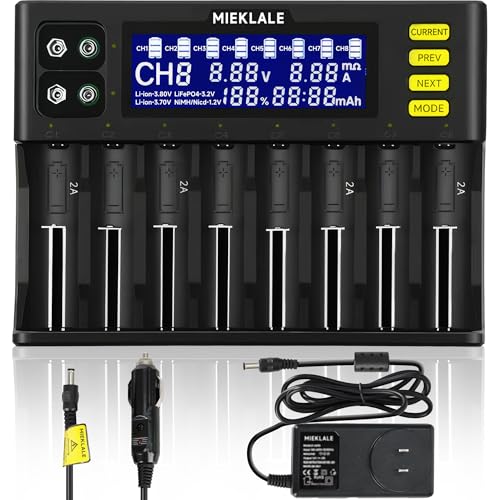
The MIEKLALE charger expands capacity with 8 Li‑ion bays plus 2 additional slots, making it suitable for collectors who manage a large battery inventory. It supports Li‑ion, LiFePO4, RCR123, and more, including 9V applications. A USB/AC power combination allows flexible use, while a 2A per‑channel current and a multi‑level speed setup enable faster charging across several cells. An LCD screen displays voltage, current, time, and estimated battery status for convenient monitoring.
Highlights include:
- 10 bays total; supports multiple chemistries
- Five charging current levels with up to 2A per channel
- Full LCD data readout
iCreatin 12.6V 1A Li‑ion Pack Charger
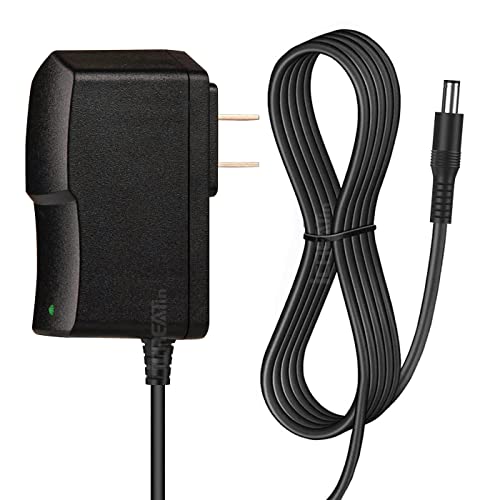
This compact charger from iCreatin is designed for 3‑string Li‑ion packs (11.1V to 12.6V), making it suitable for certain battery configurations used in hobby electronics. It outputs 12.6V at 1A via a 5.5×2.1mm interface. A red LED indicates charging progress and turns green when complete. It is best suited for users who already know their pack’s connector size and voltage.
Notable points:
- Specific to multi‑cell Li‑ion packs (3‑string configurations)
- Single output at 12.6V/1A
- LED indicator for status
Blomiky 2 Pack 3.7V USB Charger Cables

Blomiky delivers a practical USB charge cable solution for 1S Li‑ion or Li‑Po packs with SM‑2P connectors. While not a standalone charger, this kit includes protection to prevent overcharge and is suitable for small 3.7V cells used in micro RC models and similar devices. It’s best paired with a dedicated USB charger and used for late‑night top‑offs or travel scenarios where flexibility matters.
Key notes:
- USB charge Cable with SM‑2P plug
- Overcharge protection built in
- Best for small capacity, 1S packs
SEVENKA 1 Bay Smart LCD Battery Charger

SEVENKA offers a compact, single‑bay charger with smart LCD display for Li‑ion and NiMH/Ni–Cd cells. It supports 3.7V Li‑ion, plus a broad range of AA/AAA/C/SC sizes for NiMH variants. The charger auto‑stops when charging is complete and provides adjustable current settings (0.5A/1A/2A, though 2A is mainly for Li‑ion). USB input adds portability for on‑the‑go charging.
Essentials:
- One bay with LCD readout
- Adjustable 0.5A/1A/2A for Li‑ion
- USB powered; wide battery compatibility
Buying Guide: How to Choose the Right Li Ion Charger
When selecting a Li ion charger, consider safety, compatibility, and convenience. Independent charging channels reduce cross‑interference between cells, while smart displays help you monitor voltage, current, and time. Cross‑check the battery sizes you own (18650, 26650, 21700, etc.) and confirm that the charger supports Li‑ion chemistry exclusively if that is your need. For travelers or hobbyists with multiple devices, a USB‑powered or AC adaptor option can improve flexibility. If you maintain large packs, a multi‑bay charger with automatic stop and a broader compatibility list can simplify daily routines.
Key considerations and comparisons:
- Battery compatibility: Ensure the charger supports your battery sizes and chemistries (Li‑ion, LiFePO4, NiMH, NiCd).
- Charging current: Higher amperage charges faster but may heat cells; choose adjustable current for lithium cells and safer settings for NiMH.
- Display and status indicators: LCD/LED readouts help track progress and prevent overcharging.
- Power input: USB vs. AC adapters affect portability and charging speed; USB is convenient for travel.
- Safety features: Overcharge protection, short‑circuit protection, and automatic stop contribute to battery longevity.