Best kid safe headphones combine loudness protection, durable designs, and kid-friendly comfort. This guide highlights five solid options that suit different needs—from school learning to travel and home use. Each pick prioritizes volume limiting, reliable build quality, and age-appropriate fit. The top buyers are parents seeking safe listening for school tasks, while teachers may want dependable classroom headphones. The quick comparison below helps you choose quickly based on comfort, extra features, and long-term value.
| Product | Best For | Key Feature |
|---|---|---|
| iClever HS19 | School and travel for younger kids | Safe 85dBA volume limit and share port |
| JoySpark Kids Bluetooth Headphones | Wireless listening with long battery life | Bluetooth 5.3 and dual-volume limits (85/94dB) |
| JBL Junior 320 | Durable wired option with built-in mic | Safe Sound under 85dB and kid-friendly design |
| iClever BTH12 | Colorful, long-use wireless option | 85dBA cap, long 85-hour playtime |
| Candy Bila Kids Headphones | Corded, budget-friendly option | In-line mic and 85/94dB volume limiter |
The following sections present five selected products with practical, buyer-friendly details. Each product includes who it’s best for, why it was chosen, and a simple caution to consider before buying.
iClever HS19 Kids Headphones
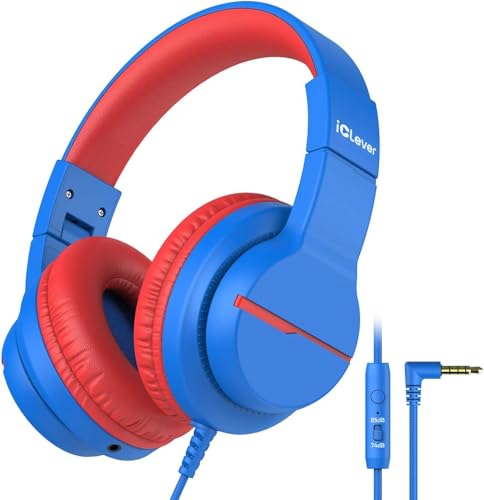
Best for: Younger students and family use where a wired connection is preferred. These over-ear headphones provide reliable compatibility with Chromebooks, iPads, and PCs via a standard 3.5mm jack, making them versatile for online classes and remote learning.
Why selected: The HS19 model emphasizes a safe listening limit of 85dBA, a built-in microphone, and a share port for simultaneous listening without extra adapters. The 40mm drivers deliver balanced stereo sound suitable for music and educational content alike.
Caution: The wired design means cables can tangle with active kids; consider a simple storage solution to minimize snags.
JoySpark Kids Bluetooth Headphones

Best for: Kids who benefit from wireless use during long study sessions or travel. Bluetooth 5.3 provides simple pairing and quick control for busy families.
Why selected: It combines an 85/94dB volume limit with built-in memory foam comfort and a long battery life—up to 60 hours—alongside a built-in mic for calls and online classes. The one-button control minimizes accidental adjustments.
Caution: Battery life can vary with LED features; plan charging milestones around school days and trips.
JBL Junior 320 Wired Headphones

Best for: Parents seeking a durable wired option with straightforward controls and a built-in mic for classroom activities or video calls.
Why selected: JBL emphasizes safe listening with a sub-85dB cap and a built-in microphone to support online learning and communication. The design prioritizes kid-friendly durability for daily wear.
Caution: Wired headsets can be less convenient on the go; ensure kids have a tidy cable management routine.
iClever BTH12 Kids Bluetooth Headphones
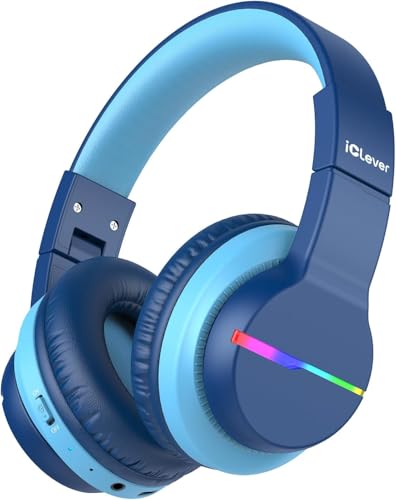
Best for: Kids who want a long-lasting wireless option with playful design and lighting features. The USB-C charging supports quick power-ups for busy days.
Why selected: The BTH12 offers an extended playtime up to 85 hours and uses 74/85dB volume limits. LED lighting modes add fun while maintaining safety. Its foldable design aids portability.
Caution: LED modes consume battery; in Bluetooth mode with lights on, moderate use helps preserve battery life.
Candy Bila Kids Headphones

Best for: Families seeking a budget-friendly wired option with reliable volume limiting for everyday learning and entertainment.
Why selected: The Candy Bila headset provides an inline remote and 85/94dB volume limiter, plus a durable nylon cord. It’s designed to withstand regular use by kids across devices with 3.5mm jacks.
Caution: The model may not include customizable features like some premium sets; for kids who want more personalization, consider a sticker-friendly design or add-ons.
Buying Guide
What listening limits should I expect?
Safe listening typically ranges around 85dB for kids. Some models offer dual limits (85/94dB) to accommodate different activities or age groups. Choose a headset with a fixed limiter or easy-to-control volume caps to avoid accidental changes.
Wired vs. wireless: which is better for kids?
Wired headphones eliminate battery considerations and pairing issues, making them reliable in classrooms and on buses. Wireless options provide greater freedom but require charging and may introduce latency or pairing quirks. For younger children, wired can be simpler; for older kids, wireless with a long battery life can improve learning and entertainment experiences.
What about comfort and durability?
Memory foam ear cushions, adjustable headbands, and lightweight builds reduce fatigue during long school days. Look for rugged plastics and reinforced cords, especially for younger users who may tug or twist the cords.
How important is a built-in mic?
A built-in microphone is essential for online classes and voice calls. Ensure the mic is well-located and capable of clear transmission without requiring external adapters.
Are there any accessories to consider?
Share ports allow multiple listeners without splitters, while folding designs enhance portability. Consider carrying cases, cable organizers, and replacement cords to extend the headset’s life in a busy family setting.
What should I check before buying?
Confirm device compatibility (3.5mm jack or Bluetooth), confirm the volume limit matches your child’s age, and verify warranty or return policies. Read simple, practical descriptions that emphasize safety and durability rather than vague claims.
Quick FAQ
- What is a safe listening volume for kids? Typically 85dB or lower to reduce the risk of hearing damage with daily use.
- Are wired or wireless headphones better for school? Wired models offer reliability and no charging needs, while wireless models provide mobility and easier movement during study or travel.
- Do kid headphones include a microphone? Many do, which supports online classes, video calls, and voice commands.
- Can kids grow out of a headset quickly? Adjustable headbands and foldable designs help accommodate growing ages; look for models marketed for ages 2–12 or with adjustable features.
- How important is durability? A durable cord, reinforced joints, and a robust shell minimize breakages from daily use and travel.
- Should I prioritize color or features? Color can help with kid engagement, but prioritize safety features, comfort, and compatibility over style alone.