For intermediate players, finding a keyboard that balances feel, sound, and learning features is essential. The selections below cover classical piano literature, upright digital pianos, and beginner-friendly options that still serve as solid stepping stones toward advanced performance. Each choice emphasizes weighted keys, authentic touch, and versatile voices to support ongoing growth.
| Product | Brand | Key Features |
|---|---|---|
| Piano Literature: Book 3 – The Developing Artist | Faber Piano Adventures | 88 pages; Book + Online Audio; Intermediate level |
| Yamaha Arius Series 88-Key Upright Digital Piano (YDP105B) | Yamaha | Grand piano sound, 9 Voices, Graded Hammer Standard, 3-pedal unit, Bench included |
| Yamaha Arius Series 88-Key Upright Digital Piano (YDP105R) | Yamaha | Same as YDP105B with Rosewood finish; 3-pedal setup; elegant design |
| The ONE Digital Piano Keyboard (88-Key) | The ONE | Hammer action, lighted keys, online lessons, 3-pedal unit |
| Flatsons 88 Key Weighted Keyboard | flatsons | 192kHz/32-bit sampling; 88 weighted keys; 128 tones; 100 rhythms; 88 demos |
The following sections highlight five products most relevant to intermediate players, focusing on touch response, authentic piano feel, and learning support that helps bridge beginner technique to advanced repertoire.
Piano Literature: Book 3

Piano Literature: Book 3 – The Developing Artist is part of a recognized series that pairs classical and Romantic repertoire with pedagogical guidance suitable for intermediate players. This edition combines a curated selection of pieces with accessible teaching notes and an accompanying online audio component. The pack is ideal for students seeking structured progressions from late intermediate to early advanced material. Features include 88 pages of content and an education level targeting developing artists, ideal for self-study or guided lessons.
Yamaha YDP105B Upright Digital Piano

The Yamaha YDP105B offers a robust entry into intermediate-level digital pianos with an authentic grand piano voice and a graded hammer action keyboard. The 88-key layout mirrors a real acoustic piano, while the nine additional instrument voices provide tonal versatility for practicing repertoire from different periods. Its traditional upright silhouette, complemented by a three-pedal unit and bench, makes it a practical long-term instrument for home studios. The combination of rich sound, touch response, and durable design supports continued growth from late beginner to mid-intermediate levels.
Yamaha YDP105R Upright Digital Piano (Rosewood)

Like its Black variant, the Rosewood YDP105R provides the same essential features tuned for an elegant finish. The instrument’s Grand Piano Sound, Acoustic Piano Touch with Graded Hammer Standard keyboard action, and a 3-pedal arrangement create a convincing playing experience for intermediate performers. Rosewood styling adds a refined aesthetic for living spaces or studio environments, while maintaining the same playable keyboard feel and reliability for ongoing technique development.
The ONE 88-Key Digital Piano
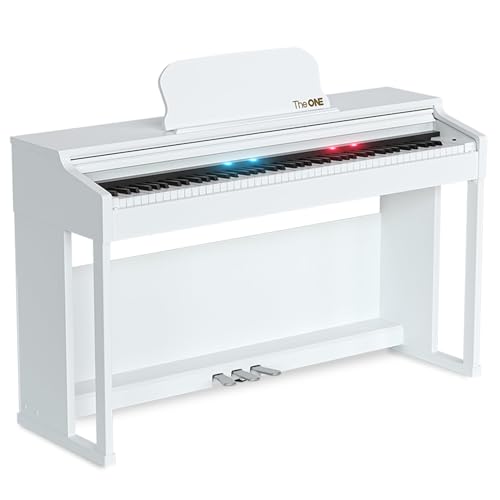
The ONE digital piano emphasizes teaching tools alongside a full-size hammer-action keyboard. Key highlights include 88 hammer-action keys with progressive resistance to emulate the feel of an acoustic piano, built-in Hi-Fi speakers, and a grand piano sound. The device integrates lighted keys via app-based lessons, aiding learning for intermediate players who benefit from visual feedback. A three-pedal unit enhances sustain and expression, while the emphasis on real-piano tone supports repertoire practice with accuracy and nuance.
Flatsons 88 Key Weighted Keyboard

Flatsons delivers an advanced digital piano option with 88 fully weighted keys and graded hammer action to approximate the dynamics of a real grand piano. Its 192kHz/32-bit sampling, 128 tones, and 100 preset rhythms provide a broad sonic palette for practicing classical, jazz, and contemporary works. The Dream5504 chip underpins clear, nuanced tone, while the 6 levels of touch sensitivity let intermediate players explore expressive playing. The inclusion of a three-pedal setup supports legato and sustain nuances essential for Chopin, Debussy, and similar repertoire.
Buying Guide
Key purchase considerations for intermediate players include keyboard feel, tone realism, and learning features. Weighted keys and graded hammer action matter most for developing technique that translates to acoustic pianos. Look for authentic grand piano voices and the ability to adjust touch sensitivity, which helps tailor the experience to your playing strength and repertoire demands.
- Touch and action: Favor graded hammer actions (GHS or similar) that provide heavier touch in the low range and lighter touch in the high range, mirroring real pianos.
- Voices and sampling: Prioritize instruments with high-quality grand piano samples and multiple voices for practice variety and accompaniment options.
- Pedals: A three-pedal setup supports damper, sostenuto, and soft pedal functions necessary for detailed classical practice and expression.
- Learning features: Keyboards with lighted keys, app integration, and built-in lessons can accelerate progress for intermediate players.
- Size and ergonomics: Consider cabinet size and bench compatibility to ensure long practice sessions are comfortable.
- Connectivity: USB, MIDI, and audio outputs enable integration with software, tutors, or recording setups.
- Durability and value: Balance price with build quality and service options, especially if the instrument will be used weekly for long sessions.
When evaluating options, compare the tonal character of the piano voice, the responsiveness of the keyboard under different dynamic levels, and the availability of supportive learning materials. For progressing intermediates, a model that combines reliable action with strong sound quality and helpful instructional features will best support continued growth across classical and contemporary repertoire.