Looking for in-ear monitors (IEMs) that deliver clear vocal detail, reliable isolation, and long-wearing comfort? This guide highlights five top options ideal for singers, on stage or in the studio. Each pick is evaluated for comfort, sound clarity, isolation, and practicality for performers. Whether you need a secure fit for live performances or a smooth frequency range for studio work, these IEMs aim to meet those needs.
Summary of chosen products:
| Product | Best For | Key Benefit |
|---|---|---|
| Shure SE215 PRO | Live performers | Sound isolation and secure fit |
| KZ ZEX | Sound quality on a budget | Hybrid drivers with broad frequency range |
| KBEAR KS1 | Vocal-focused monitoring | Strong vocal presence and comfy wear |
| CCA CRA | Studio practice and stage | Ultra-thin diaphragm for balanced sound |
| BASN Bmaster | Stage and rehearsal | Stable fit and good low-end detail |
Shure SE215 PRO Wired Earbuds

Best for professional vocalists needing reliable isolation and secure over-ear wear. The SE215 uses a single dynamic driver for clear highs and deep bass, with sound-isolating technology reducing ambient noise up to 37 dB. The wireform design keeps the cable secured around the ear during movement, which is advantageous for on-stage movement. A caveat is that the detachable MMCX cable is the durability-critical point; care is required to avoid connector wear over time.
KZ ZEX Earbuds

Best for performers seeking electrostatic plus dynamic hybrid tech with a strong, bright top end and wide soundstage. The combination of a 6.8mm electrostatic unit with a 10mm dynamic driver provides detailed sound and a sense of air across frequencies. A potential limitation is the premium setup and detachable cable; if you frequently misplace parts, replacement options should be checked.
KBEAR KS1 In-Ear Monitor

Best for singers needing a robust, immersive sound with clear vocal presence. KS1 uses a dual magnetic circuit with a dedicated rear sound cavity to boost low frequencies while keeping mids and highs well defined. It ships with a high-quality cable and aluminum nozzle construction for durability. A caution is that the fit may vary by ear geometry, so trying a few tip sizes is advised for the best seal.
CCA CRA In-Ear Monitor

Best for musicians seeking ultra-thin diaphragms and strong bass with a balanced overall response. CRA uses an upgraded dual magnetic driver and an ultra-thin 3.8μ diaphragm to deliver controlled low-end energy without overwhelming mids. The ergonomic cavity and memory-foamed ducting provide comfortable wear, though some users might find the overall body size slightly bulkier compared to ultra-compact models.
BASN Bmaster Triple Drivers IEM
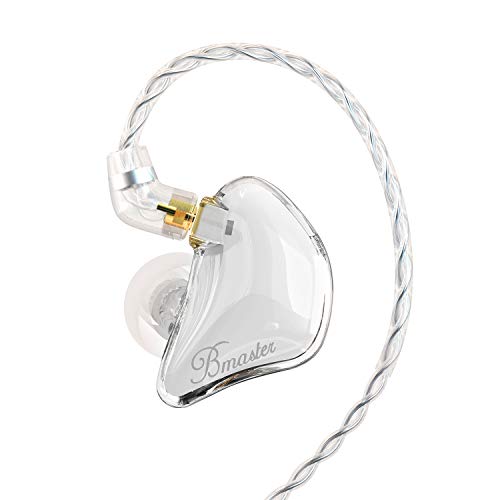
Best for stage performers who need sturdy isolation and a confident bass presence. BASN Bmaster uses three drivers to deliver balanced lows with clear mids and crisp highs. The two detachable cables add versatility for different performances. A caution is the absence of a microphone; consider a model with mic if you need call handling or quick on-stage adjustments.
Buying Guide
What should I consider when choosing IEMs for singing?
- Sound isolation: Look for an IEM with good passive isolation to reduce stage spill and feedback.
- Fit and comfort: Extend wear during performances requires a secure seal without ear fatigue. Try different tips or memory-foam options.
- Driver configuration: Hybrid (BD + DD) typically offers wider frequency response; multiple drivers can improve detail but may add bulk.
- Detachable cables: Provide longevity and upgrade paths, but ensure compatibility with your equipment.
- Durability: For performers, a robust build and secure connectors reduce breakage during performances.
Which features matter most for singers on stage?
- Isolation and fit: to prevent stage noise from masking your voice.
- Vocal clarity: a natural midrange with controlled bass helps voice sit in the mix.
- Durable cables and connectors: frequent movement warrants reliable connections.
How to compare models quickly?
- Compare driver count and type (single DD vs hybrid drivers) and how they alter the vocal presence.
- Evaluate comfort by trying different tip sizes and checking if memory wire reduces cable movement.
- Check the impedance and sensitivity if you have a specific stage mixer or on-device DAC.
FAQ
- Q: Do I need an IEM with a microphone for singing on stage? A: For pure on-stage monitoring, a mic is not needed, but it helps if you need to communicate or use take requests hands-free.
- Q: Are detachable cables worth it for performers? A: Yes, they allow upgrading cables or replacing worn connectors without replacing the whole unit.
- Q: Which IEM is best for vocal clarity? A: Models with strong midrange presence and good isolation, such as those with dual drivers or well-taired single drivers, tend to emphasize vocals.
- Q: How important is fit for stage use? A: Very important. A secure fit prevents slips during movement and reduces fatigue.
- Q: Should I choose metal or plastic housings? A: Metal housings offer durability and resonance control; plastics can be lighter but may affect long-term durability.
- Q: Can I use consumer headphones for singing in studio? A: In a pinch, yes, but dedicated IEMs provide better isolation, fit, and stage integration.