Choosing the right subwoofer can transform a home studio, delivering the deep, controlled bass needed for precise mixing and satisfying playback. This guide highlights five solid options that suit small-to-medium rooms, from compact powered subs to studio-grade front-firing designs. Each product is evaluated on bass extension, power, and ease of integration with monitors and receivers. A quick summary table follows to help you compare at a glance.
| Product | Brand | Key Benefit |
|---|---|---|
| PreSonus Eris Sub 8BT | PreSonus | Compact 8″ with 100W, Bluetooth for wireless setup |
| Klipsch R-12SW | Klipsch | 12″ copper-spun driver, 400W, strong home theater performance |
| JBL LSR310S | JBL | 10″ driver, high SPL with precise control |
| Yamaha HS8 Subwoofer | Yamaha | 8″ bass-reflex, 150W, studio-grade response |
| Edifier T5s | Edifier | 70W RMS, compact with deep bass for desks or shelves |
PreSonus Eris Sub 8BT — Compact 8″ Studio Sub

The Eris Sub 8BT is a compact, front-firing 8-inch powered subwoofer designed for music production and multimedia listening. Its 100-watt amplifier drives a tight low end down to about 30 Hz, delivering accurate bass that complements near-field monitors. The woven-cone woofer construction aims to reduce distortion at higher levels, making it suitable for small studios and gaming setups. Bluetooth adds convenient wireless control, though it’s best used for playback rather than primary monitoring without proper room calibration.
Key features include an honest bass response with a focused low end and a compact footprint that fits on a desk or small speaker stand. The 30 Hz extension helps producers hear low-end anomalies clearly, aiding more reliable mixes. While compact, it provides enough headroom for typical home studio tasks, especially when paired with accurate monitors.
Klipsch R-12SW — Deep Bass Front-Firing Sub
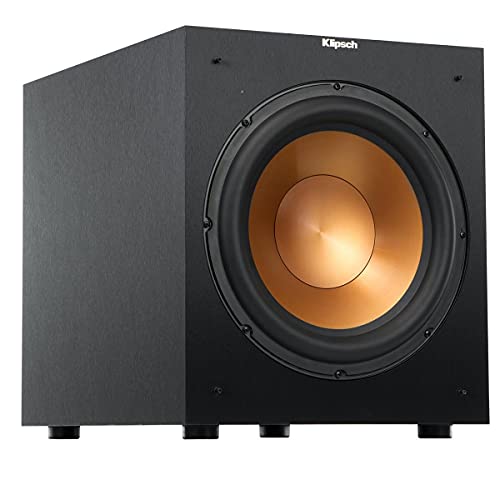
Klipsch brings a front-firing 12″ copper-spun woofer with a robust 400-watt digital amplifier. This sub delivers powerful, clean bass suitable for home theater and music production. The front-facing design makes placement easier in rooms with limited space, while the robust driver and amplifier pair ensure strong low-frequency performance with minimal distortion. It pairs well with a range of studio monitors and is especially effective in larger rooms or when you need prominent low-end impact for viewing or production work.
Its all-digital amplifier and sturdy cabinet provide reliable bass across a variety of genres. The Klipsch design emphasizes dynamic headroom, useful for dance tracks, film scoring, and immersive gaming narratives. It’s a strong pick when you want a studio sub that doubles as an entertaining home theater sub without sacrificing sound quality.
JBL LSR310S Studio Monitor Subwoofer
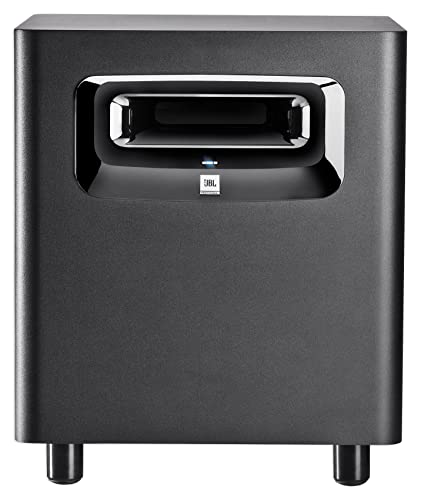
The JBL LSR310S is a studio-oriented subwoofer designed to complement near-field monitors in control rooms. Its 10-inch driver targets deep, controlled bass with a precise extension into the 20 Hz region, and a peak output of 113 dB allows extended sessions at high levels without woofer distortion. The LSR310S includes a dedicated XLF (extreme low frequency) setting to emulate the club-style bass response often desirable for dance productions, helping engineers hear how bass translates on consumer systems. This makes it a versatile choice for music production and multimedia work.
In terms of integration, the LSR310S offers flexible crossover and phase options to align with your monitor pair and room acoustics. Its compact footprint and powerful output make it suitable for small control rooms that need accurate bass without overwhelming the listening space.
Yamaha HS8 Subwoofer — Studio Reference Bass

The Yamaha HS8 Subwoofer is built to complement the HS8 studio monitors, offering an 8-inch bass-reflex design with a 150W amplifier. It delivers a clean, studio-grade low end with a frequency response that helps professional mixing and mastering tasks. The compact form factor makes it ideal for desktop or small-control-room setups where you need reliable bass performance without taking up significant space. Yamaha’s approach focuses on acoustic transparency and low distortion, ensuring bass integrates smoothly with reference monitors.
This sub is particularly suitable for users who already trust the HS8 series or who desire a more compact solution without sacrificing professional-grade bass accuracy. It pairs well with near-field monitors and other Yamaha line components for a consistent monitor chain.
Edifier T5s — Active Subwoofer For Desks And Studios
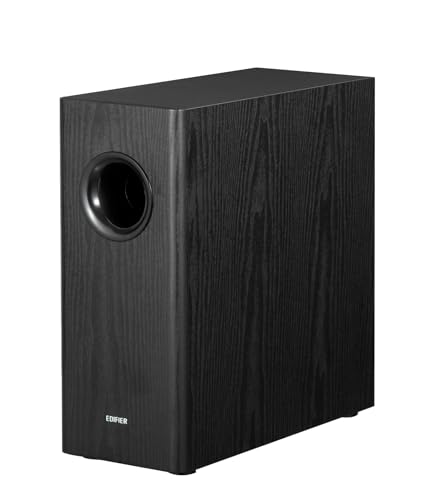
Edifier’s T5s provides a compact 70W RMS powered sub suitable for desk setups and small studios. Its 8-inch woofer and 35 Hz deep bass offer substantial low-end extension for its size, making it a practical option for tighter spaces or budget-conscious studios. The built-in amplifier and simple controls support straightforward integration, while a compact, stylish cabinet helps it blend with home decor. This model is well-suited for entry-level home studios seeking a balance of performance and value.
The Edifier T5s emphasizes space-saving design with a front-firing driver, right-firing port, and MDF construction to minimize resonance. It’s a good match for multimedia setups or smaller production rooms where full-range sound from compact monitors is desired without adding complex subwoofer management.
Buying Guide: Key Purchase Considerations
- Room size and acoustic treatment: Larger rooms benefit from higher wattage and bigger drivers, while compact rooms often work well with 8″ to 10″ subs that deliver tight bass without overloading space.
- Low-frequency extension: Look for a sub that reaches at least 25–30 Hz for music and 20 Hz for film work. The deeper the extension, the more you’ll hear low-end consistency across genres.
- Monitors compatibility: Ensure the sub’s crossover and phase controls align with your primary monitors. A seamless handoff between the sub and the main speakers minimizes localization of bass.
- Placement flexibility: Front-firing subs are generally easier to place near walls or corners, while down-firing or compact designs can work well on desks or stands. Consider room shape and furniture for optimal bass coupling.
- Controls and connectivity: Subwoofers with LFE inputs and adjustable crossover, phase, and boost settings offer precise tailoring. Wireless options can simplify setup but verify latency and reliability for critical mixing tasks.
- Power and headroom: A sub with higher wattage provides cleaner headroom at loud listening levels, reducing bass distortion during dense mixes or dynamic movie scenes.
- Build quality and durability: Metal or reinforced cabinets help prevent cabinet flex at higher SPLs and generally last longer in a daily-use home studio environment.
- Budget vs. performance: Choose a model that meets your needs for bass depth and accuracy while staying within budget. Often, a slightly larger driver with a good amplifier offers better long-term value than a cheaper, smaller unit.
In summary, the best home studio subwoofer depends on room size, monitor pairing, and the type of work you do most often. For compact studios, the PreSonus Eris Sub 8BT or Edifier T5s offer strong performance in a small footprint. For larger rooms or more demanding sessions, Klipsch R-12SW or JBL LSR310S provide substantial bass with reliable dynamics. Yamaha HS8 Sub adds studio-aligned characteristics for users who already trust the reference line, while each option can be integrated with appropriate room treatment and monitor calibration for accurate results.