As home storage needs grow—from photos and videos to documents and backups—a dedicated home storage server (NAS) can simplify access, improve security, and reduce cloud costs. This guide highlights five top NAS options that balance ease of use with capable hardware, making private cloud storage practical for households and small setups. Explore each model’s strengths, remote access capabilities, and expandability to help you pick the right solution for your digital life.
Summary of chosen products
| Product | Brand | Approx. Capacity/Scalability | Key Strengths |
|---|---|---|---|
| UGREEN NAS DH2300 | UGREEN | Up to 60TB (Diskless) | Beginner-friendly, private storage hub, cross-device backups |
| UGREEN NAS DH4300 Plus | UGREEN | Up to 120TB (Diskless) | 4-bay private cloud, easy remote access, user-friendly setup |
| UGREEN NAS DXP2800 | UGREEN | Up to 76TB (Diskless) | All-round NAS for enthusiasts, Docker-ready options |
| Synology 2-Bay DiskStation DS223j | Synology | Diskless | Private cloud with easy sharing, multi-platform access |
| BUFFALO LinkStation 210 4TB | BUFFALO | 4TB (1-Bay with HDD) | Value NAS, centralized storage, simple home cloud |
UGREEN NAS DH2300 Preview And Private Cloud Focus

UGREEN’s DH2300 is an entry-level, two-bay NAS designed for users new to private cloud storage. It emphasizes ease of use, local backups, and private access to media and documents across devices. This model supports up to 60TB with disk drives added, making it a practical starter solution for photos, videos, and personal files. It’s described as a straightforward transition from cloud or external drives to a private, always-on storage hub. While it doesn’t support Docker or virtual machines, it covers essential home storage needs with reliable remote access across Windows, iOS, Android, and macOS.
UGREEN NAS DH4300 Plus: Four Bays For Heftier Private Cloud

The DH4300 Plus expands to four bays, delivering up to 120TB of capacity when populated with drives. It targets home media enthusiasts who want extensive storage, remote access, and the option to run Docker containers (though not virtual machines). This model emphasizes private cloud capabilities, cross-device file access, and automatic backups. User-friendly setup and NFC-assisted connections aid quick deployment, with compatibility across Windows, macOS, Android, iOS, and smart TVs for seamless remote file sharing and media streaming.
UGREEN DXP2800: All-Round NAS For Teams And Enthusiasts

The DXP2800 targets both individual enthusiasts and small teams seeking a robust NAS with capable CPU and memory. It supports centralizing data, sharing securely, and backing up across multiple devices. The device is positioned as a cost-effective, long-term storage solution with no ongoing cloud costs, and up to 76TB of capacity when drives are added. It includes features aimed at simplifying remote access and cross-platform compatibility, making it a strong option for households and small offices that need reliable local storage and collaboration readiness.
Synology DS223 Diskless: Private Cloud With Easy Syncing
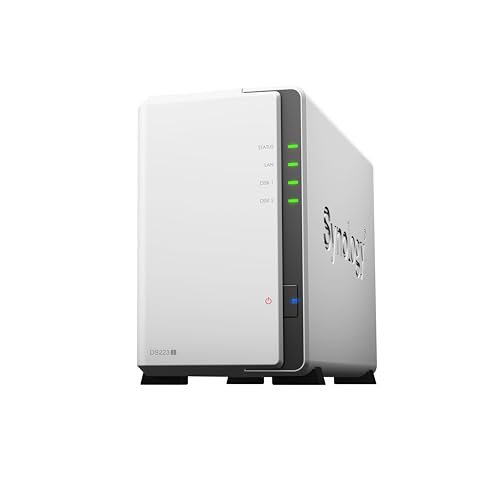
Synology’s DS223 Diskless offers a trusted private cloud experience with strong data ownership and cross-platform access. It emphasizes simple sharing and syncing, making collaboration across devices straightforward. The Diskless configuration invites users to populate the bays with drives of choice for their capacity target. Security and data protection are central themes, with flexible backup destinations to safeguard important media libraries or business documents. This model is well-suited for households seeking a reliable, user-friendly NAS with strong Synology ecosystem software.
BUFFALO LinkStation 210: Entry-Level 2TB Home NAS
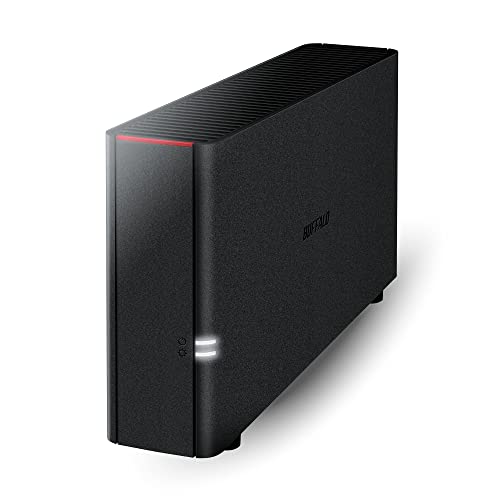
Buffalo’s LinkStation 210 provides a budget-friendly entry into home network storage with a 2TB capacity in a single-bay configuration. It’s positioned as a straightforward solution for households seeking centralized storage, simple cloud-like access, and a lack of ongoing subscription fees. The device supports sharing across Windows and macOS, with Buffalo offering U.S.-based support for setup and ongoing use. This model serves as a practical starting point for users prioritizing affordability and basic file access across a home network.
Buying Guide — Key Purchase Considerations
- Drive bays and scalability: More bays enable larger total capacity and better RAID redundancy. For growing libraries, 4-bay and higher models offer future expansion without replacement.
- CPU and memory: A faster CPU and more RAM improve multi-user performance, media transcoding, and Docker support. For light use, two bays with modest RAM is sufficient; for media streaming or small teams, consider higher-end models with 4–8GB RAM or more.
- Networking: Look for Gigabit Ethernet as a baseline; 2.5GbE or 10GbE ports significantly improve transfer speeds, backups, and remote access, especially with large media libraries.
- Remote access and apps: NAS software ecosystems (like DSM, QTS) matter. Evaluate the ease of remote access, mobile apps, media streaming, and automatic backups across all your devices.
- Docker and virtualization support: If you plan to run containerized apps, choose models that explicitly support Docker (and consider virtualization VM capabilities if needed).
- Data protection: RAID options, scheduled backups, and cross-device synchronization reduce data loss. Ensure you have reliable backup destinations and offsite options if needed.
- Ease of setup: Beginner-friendly manuals and video guides can dramatically reduce the initial setup time and help you leverage all features quickly.
- Price of drives: Most NAS units are diskless; factor in the cost of compatible HDDs or SSDs. Long-term ownership includes the cost of drives and potential replacements over time.
- Security: Encryption options, account controls, and firmware updates protect your private data, especially when enabling remote access.
Overall, a home storage server combines local control, privacy, and scalable capacity. For beginners, entry-level two-bay systems offer straightforward setup and essential features. For active households with large media libraries or small teams, four-bay or higher units with robust RAM, faster networking, and Docker support provide stronger performance and future-proofing. Consider your current storage needs and plan for growth to select the best NAS for your home network.