Looking for a reliable home cloud NAS to centralize files, backups, and media? These picks are designed for different home setups—from single-room setups to small home offices—delivering private cloud capabilities without ongoing subscriptions. The top options below favor ease of use, expandability, and cross-platform compatibility (Windows and macOS). You’ll find devices that are ideal for simple backups, media streaming, remote access, and quick file sharing across devices in your home network.
| Product | Best For | Capacity | Key Benefit |
|---|---|---|---|
| BUFFALO LinkStation 210 2TB | Beginner-friendly home storage | 2TB | Value RAID with centralized storage for all devices |
| BUFFALO LinkStation 210 4TB | Small households needing more space | 4TB | Expanded capacity with same simple setup |
| BUFFALO LinkStation 220 4TB 2-Bay | Shared home network storage | 4TB (2 x 2TB) | Two-bay RAID options for redundancy |
| BUFFALO LinkStation 220 8TB 2-Bay | Media-heavy homes | 8TB (2 x 4TB) | Higher total storage with RAID flexibility |
| Synology DS725+ (2-Bay Diskless) | Private cloud for small business or power users | Diskless (expandable) | Advanced data protection and expansion options |
BUFFALO LinkStation 210 2TB NAS
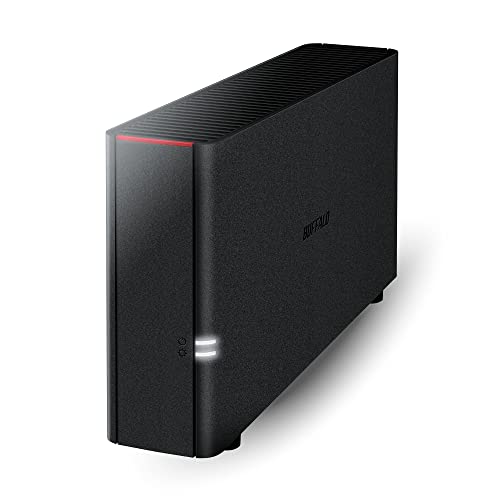
The BUFFALO LinkStation 210 2TB provides centralized storage with RAID options for simple backups across devices. Best for first-time NAS users who want a plug-and-play home cloud with straightforward setup and 24/7 US-based support for guidance. The device supports Windows and macOS, and it operates as a shared network storage device via a direct router connection.
Why choose this? It’s a reliable entry point for households wanting a personal cloud without ongoing fees. It’s ideal for basic file backup, photo libraries, and media streaming to multiple devices on the same network. A caveat: limited advanced features compared with higher-end models; consider an upgrade if you need more cloud-like features.
Selected because it balances affordability with essential NAS features, making it a practical starting point for a home cloud setup.
BUFFALO LinkStation 210 4TB NAS
This 4TB model scales storage for growing households while keeping the same user-friendly setup. It’s best for users who need more space for backups, video libraries, and documents without adding complexity. It remains compatible with Windows and macOS, with support to assist during installation.
Best for: households expanding their media libraries or family backups while preserving simple access and shareability. Limitation: fewer cloud-native features than newer series; plan for potential upgrade if you want more advanced capabilities.
BUFFALO LinkStation 220 4TB 2-Bay

The LinkStation 220 4TB 2-Bay offers RAID-enabled storage with shared network access, making it well-suited for households that require redundancy and shared access to files. This model supports Windows and macOS and includes Buffalo’s 24/7 US-based support to assist with setup. It’s a practical step up from single-drive solutions for familys who need more room and resilience.
Best for: families needing shared storage and basic redundancy. Better for: users who want a simple, reliable home cloud without complex configurations. Caution: RAID configurations require planning to align with device needs and drive endurance.
BUFFALO LinkStation 220 8TB 2-Bay
This model delivers higher total storage in a two-bay setup, ideal for media-heavy homes with large libraries, photo archives, or multiple users sharing content. RAID options provide data protection while keeping the setup straightforward. It remains compatible with standard Windows and macOS workflows, with Buffalo’s support ready for installation and initial setup guidance.
Choose this if you need substantial on-premises storage without adopting a more complex NAS platform. Limitation: Maximum performance and features may be less than premium NAS brands; consider future growth with an expansion-ready model if needed.
Synology DS725+ (Diskless)

Synology DS725+ is a scalable 2-bay diskless NAS designed for private cloud use in homes or small businesses. It supports expansion to large capacities using compatible DX525 expansion units and offers robust data protection with multi-layered backup strategies. It also supports multi-site surveillance setups for security camera management. This is best for users who want advanced features, strong reliability, and future growth potential.
Best for: tech-savvy users and small offices needing robust data protection and scalable storage. Better for: those who plan to add storage soon or require sophisticated backup and surveillance features. Caution: Diskless status means you’ll need to purchase drives and possibly expansion units separately, which adds initial setup planning.
BUFFALO LinkStation SoHo 220 2-Bay
LinkStation SoHo 220 2-Bay is tailored for small offices and home environments needing reliable personal cloud storage. It includes RAID for data protection and provides simple connectivity to a router for shared access. It’s a balanced choice for users who want a dedicated home cloud with straightforward backup and file-sharing capabilities.
Best for: small offices or homes needing a compact, easy-to-manage NAS with fast network access. Caution: It may lack some newer features found in higher-end or newer Buffalo models; review expansion or feature needs before purchase.
Buying Guide: Key Considerations For Your Home Cloud NAS
- Storage needs: Estimate current and near-future file size, including media libraries and backups. Choose a NAS with enough total capacity and room to expand ( RAID options matter for data protection).
- Number of bays: One-bay units are affordable and simple but lack redundancy. Two-bay or more offers RAID protection and better performance for media streaming and backups.
- Performance: Look for fast network interfaces (1 Gbit/s or higher) and capable CPUs/RAM that match your usage (media streaming, remote access, Docker, etc.).
- Compatibility and accessibility: Ensure cross-platform support (Windows, macOS, mobile apps) and remote access options if you need access outside your home network.
- Expansion and future-proofing: Consider models that support expansion units or easy drive upgrades to grow with your needs.
- Security and backups: Strong user permissions, automatic backups, and encryption features help protect data. Surveillance features are beneficial for security-minded setups.
- Ease of setup: Beginner-friendly interfaces and good vendor support reduce setup time and frustration, especially for first-time NAS owners.
Frequently Asked Questions
- What is a home cloud NAS used for?
A home cloud NAS centralizes files, backups, and media for access across devices on your home network and remotely, reducing reliance on cloud subscriptions.
- Do I need two bays or more?
Two bays enable RAID redundancy for data protection, improving reliability versus a single drive. More bays increase capacity and performance options.
- Is a NAS easy to set up for beginners?
Many models offer guided setup wizards and vendor support to help beginners configure shares, users, and backups.
- Should I choose diskless or pre-populated NAS?
Diskless units require purchasing drives; pre-populated units provide immediate storage but may limit drive choices.
- Can a NAS be accessed remotely?
Yes, most modern NAS devices offer secure remote access via apps or web interfaces, enabling file access away from home.
- What about data security and backups?
Look for features like RAID, automated backups, encryption, and user permission controls to protect data and prevent loss.