Answering the common buyer question, these headphones and headphone amps are built for quiet practice, portable setups, and flexible tone shaping. They’re ideal for guitarists who need late-night sessions, travel-friendly amps, or studio-like monitoring without external noise. The top picks span compact headphone amps, wired studio monitors, and bass-specific models, helping players decide who each option suits best. The summary table below highlights the five most relevant products for practicing with an electric guitar, bass, or amplified instrument.
| Product | Best For | Key Benefit |
|---|---|---|
| LEKATO Guitar Headphone Amp | Electric guitar and bass practice | Five effects and Bluetooth input |
| Philips Over Ear Wired Headphones | Home studio and long sessions | 40mm drivers with solid isolation |
| SONICAKE Guitar Headphone Amp Mini | Silent practice and compact sets | Classic Tweed tone with built-in reverb |
| OneOdio A71 Hi-Res Studio Headphones | Studio monitoring and DJing | Stable comfort and versatile connect |
| Donner Guitar Headphone Amp | Heavy metal practice | SLO100-based tone with built-in reverb |
LEKATO Guitar Headphone Amp With 5 Effects
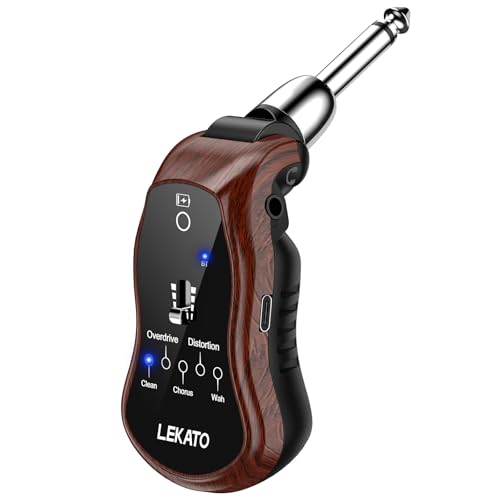
Best for players who want an all-in-one practice tool in a compact package. This LEKATO unit functions as a silent practice headphone amp with adjustable output volume, so late-night playing won’t disturb others. It supports Bluetooth input from mobile devices, enabling backing tracks or jam tracks to augment practice sessions. Five built-in guitar effects cover Clean, Overdrive, Chorus, Distortion, and Wah, suitable for electric guitar and even bass applications when practicing ideas quietly. The included Bluetooth feature helps you input music quickly, though it does not pair with Bluetooth headphones directly.
Who this is for: players who crave portable, battery-powered practice with immediate access to classic guitar tones and a Bluetooth-backed backing track option. This is a good pick for beginners to intermediate players who want a single box to handle both sound and practice needs. Caution: Bluetooth reception is intended for devices, not Bluetooth headphones, so plan on using wired headphones or external speakers for audio output with Bluetooth input.
Philips Over Ear Wired Stereo Headphones
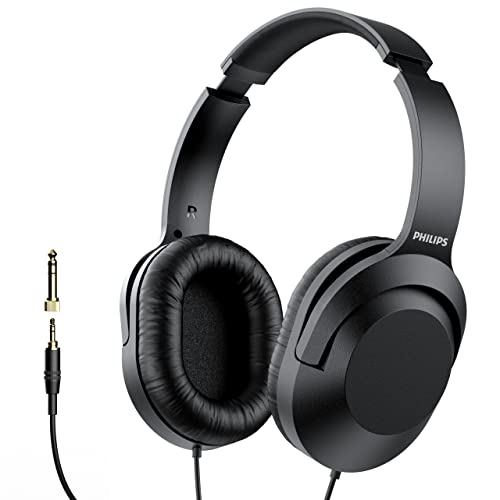
Best for long studio-style sessions and home practice where comfort matters. These wired over-ear headphones deliver strong 40mm drivers for clear, balanced sound with reliable passive isolation. The soft ear cushions and cushioned headband are designed for extended wear, reducing fatigue during lengthy practice. A 1/8” jack plus a snap-on 1/4” adapter makes them versatile for amplifiers, audio interfaces, keyboards, and guitars. They’re ideal for those who want reliable, consistent monitoring without wireless interference.
Who this is for: players needing comfortable, wired monitoring headphones for home studios, streaming practice, or mobile setups. Caution: While spacious in design, the lack of active noise cancellation means you’ll still hear surrounding noise in noisy environments.
SONICAKE Guitar Headphone Amp Mini
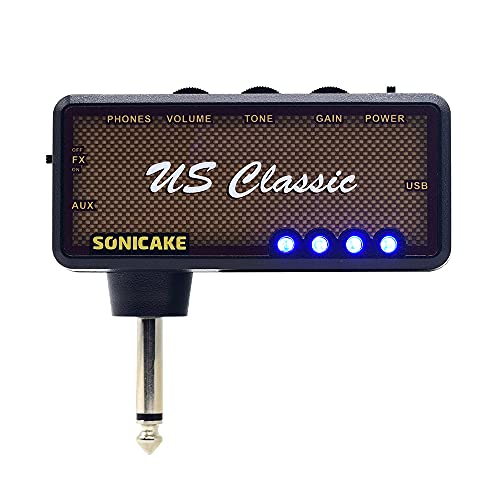
Best for silent practice with a compact footprint. The SONICAKE unit provides classic Tweed amp clean and overdrive tones, and includes built-in reverb for added space in the tone. It’s designed for headphoned-based practice, ideal for bedrooms or dorm rooms where space is at a premium. Because it emphasizes a straightforward guitar-amp vibe, players seeking a “plug-and-play” experience without extensive menus will find it appealing.
Who this is for: players who want a small, easy-to-use headphone amp that delivers recognizable amp textures. Caution: It lacks the broader range of amp models that larger units offer, so tone versatility is more limited.
OneOdio A71 Hi-Res Studio Headphones

Best for studio monitoring and headphones with a broad compatibility range. The OneOdio A71 features 40mm drivers and a comfortable over-ear design, ideal for critical listening, mixing, and monitoring, as well as general guitar practice through amp sims or interfaces. They include a long coiled cord and both 3.5mm and 6.35mm plugs, making them adaptable to amps, computers, keyboards, and other gear.
Who this is for: players seeking reliable, high-fidelity sound for practice or studio work with flexible connectivity. Caution: They are wired headphones, so if you require built-in processing or battery power, you’ll need a separate headphone amp or audio interface.
OneOdio A71D Wired Studio Headphones

Best for DJing, monitoring, and portable mixing. This model emphasizes studio-grade sound with 40mm drivers and a single-sided monitoring design, which helps reduce fatigue during long sessions. The foldable form factor enhances portability, making it easy to bring to gigs or practice spaces. The 90-degree swiveling ear cups enable single-ear monitoring for quick checks during playback and recording setups.
Who this is for: players who need precise, portable monitoring with the option for single-ear use during live recording or DJing. Caution: The focus on monitoring features means it’s not tuned for heavy bass enthusiasts; tone may be more balanced than boosted in sub-bass regions.
Donner Guitar Headphone Amp

Best for heavy metal practice with a compact, rechargeable design. The Donner unit targets silent practice and offers Soldano SLO100-inspired tone with built-in reverb, plus volume, tone, and drive controls for versatile styles. A built-in rechargeable battery supports several hours of quiet play, and the device is described as lightweight and portable.
Who this is for: players who want aggressive tones on the go, especially for metal and hard rock practice, without a large rig. Caution: The specific amp voicings are described as rock-oriented tones, which may limit other genres unless further tweaking is available on the unit.
buying guide: Key Purchase Considerations
What’s your primary use?
Determine whether you need a silent-practice headphone amp, a pair of high-fidelity monitoring headphones, or a portable setup that combines both. If you play mainly in apartments or late at night, prioritize silent practice features and battery life. If you’re mixing or recording, consider a headphone with accurate monitoring and a comfortable fit for long sessions.
Do you need Bluetooth?
Some models include Bluetooth for wireless backing tracks, while others rely on wired connections. Bluetooth can add convenience for practice with tracks but may introduce latency. If you want no latency for precise timing, a wired route is preferable.
What about tone versatility?
Guitar practice often benefits from a range of tones. Look for units offering multiple amp models and effects (clean, overdrive, distortion, chorus, reverb) to simulate different rig setups. A unit with onboard effects can reduce the need for external pedals during practice.
Comfort and portability
Comfort matters for long sessions. Over-ear designs with cushioned headbands and ear pads are easier to wear, especially when monitoring for extended periods. If you travel or jam away from home, size, weight, and battery life become critical factors.
Output compatibility
Check whether the device outputs to standard 3.5mm or 1/4″ jacks and whether it supports your preferred headphones. Some devices emphasize output to headphones only, while others pair with amplifiers or audio interfaces via USB or analog outputs.
Battery life and charging
For portable practice, battery longevity matters. Look for devices with a multi-hour life and a straightforward USB charging method. If you often practice away from outlets, plan around at least 4–5 hours of continuous use per charge.
Budget and value
Prices vary across compact headphone amps and wired headphones. Compare features that matter to you—like built-in effects, Bluetooth input, or multiple output options—versus price to determine the best value for your needs.
FAQ
- What is the best option for late-night silent practice? A headphone amp with adjustable volume and built-in effects is ideal, paired with wired headphones to avoid latency and ensure clarity.
- Can I use these devices with a bass? Yes, some units specify compatibility with bass and electric guitar, though tonal voicing may be optimized for guitar; check gain control options to adapt to bass signals.
- Is Bluetooth mandatory for practice? Not required. Bluetooth is convenient for backing tracks, but wired connections offer lower latency and more stable monitoring for precise timing.
- Are these suitable for studio monitoring? Several options provide accurate monitoring and flat responses suitable for practice and small-scale recording, particularly when paired with a good DAC/interface.
- Which is best for metal players? A unit with high-gain channels and heavy distortion options tends to suit metal players well, with careful gain and tone shaping to avoid excessive noise.
- Do any include a built-in reverb? Yes, some models integrate reverb to add space to the tone, which can be useful for practicing leads and solos.