Answering the common buyer question: which HDMI to USB capture device fits your setup—whether you’re streaming, recording gameplay, or conducting online conferences? This guide highlights five solid options and explains who each is best for. Each pick emphasizes low latency, ease of use, and broad compatibility across Windows, Mac, and popular streaming software. The top picks are suitable for gamers, content creators, educators, and professionals who need reliable, plug-and-play capture without complicated setup.
Below is a quick buying snapshot to help you compare at a glance. The table shows the key strengths of each product, focusing on resolution support, interface, and intended use cases.
| Product | Best For | Resolution Support | Interface |
|---|---|---|---|
| Guermok Video Capture Card | Casual streamers and mobile setups | Input up to 4K@30Hz; output up to 1920×1080@60Hz | USB 3.0 / USB-C |
| Audio Express AXHDCAP 4K | Creators needing strong latency and broad OS support | Input up to 4K@30Hz; output 1080p@30Hz | USB 2.0 |
| Rybozen USB 3.0 Capture | Console to PC streaming mix | Input up to 4K/30Hz; output up to 1080p60+ | USB 3.0 |
| UGREEN 2K/1080p Capture | Multi-device, modern workstation | 2K@30Hz; 1080p@60Hz | USB-C / USB-A |
| VIXLW 4K USB3.0 Capture | Professional streaming and mobile setups | 4K@30Hz input; 2K/1080p output | USB 3.0 / USB-C |
Guermok Video Capture Card
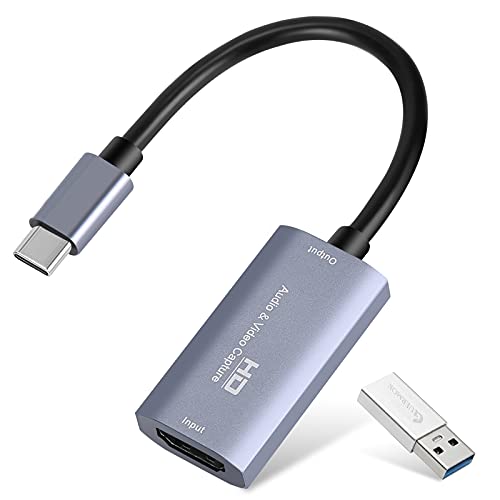
Key features: 1080P 60FPS capture via USB3.0 with 4K input support at 30Hz; low latency aluminum body; plug-and-play with no extra power needed. Suitable for live streaming, online meetings, and on-the-go recording. Best for: gamers and mobile presenters who want a compact, portable capture option that works with a wide range of devices.
Who it’s best for: Those who want a simple, travel-friendly capture device that works across Windows, macOS, iPadOS, and popular platforms like OBS. Why chosen: It emphasizes portability and stable performance, making it a strong option for outdoor streams or quick setup scenarios. Caution: It is designed for capture, not direct screen casting to a display; ensure you use capture software to view or record.
Audio Express AXHDCAP 4K HDMI Capture Card

Key features: 4K input at 30Hz with 1080p output at 30Hz; ultra-low latency real-time preview; broad OS and platform compatibility supporting streaming tools like OBS, Zoom, and VLC. Best for: creators needing reliable real-time preview and broad software compatibility. Why chosen: The card’s latency and compatibility make it a solid choice for professional-grade streams and presentations. Caution: Uses USB 2.0 interface, which may limit transfer speeds on higher-demand setups compared to USB 3.0 options.
Rybozen 4K HDMI Video Capture Card
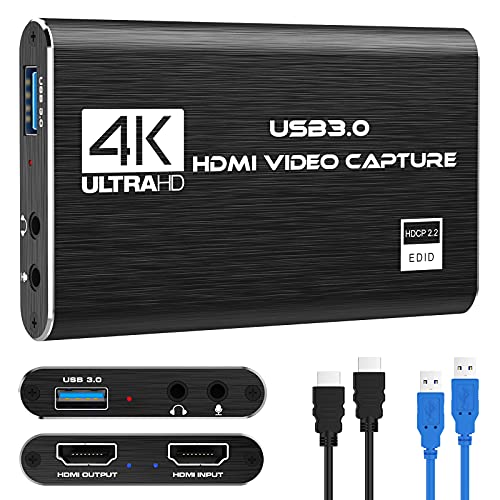
Key features: 1080P 60FPS output with 4K input; plug-and-play with automatic device recognition; low latency streaming to major platforms. Best for: console fans who want a straightforward setup for PS4/PS5, Switch, and PC gameplay. Why chosen: It combines broad console support with a simple USB 3.0 interface for easy live streaming. Caution: Output is capped at 1080p60 depending on source settings; 4K60 input is not always matched by output capabilities.
UGREEN 2K/1080p HDMI Capture Card
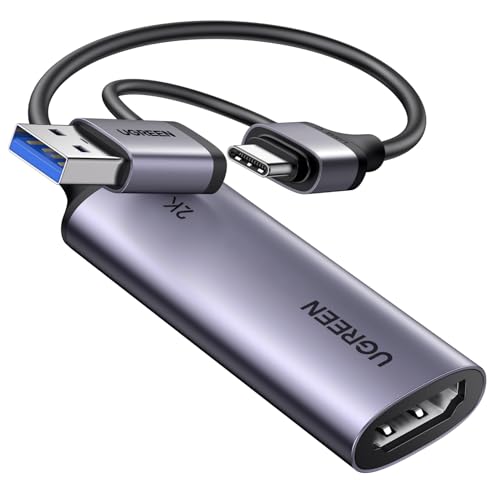
Key features: 2K at 30Hz and 1080p at 60Hz output; USB-C and USB-A interfaces for broad device compatibility; low latency with USB 3.0; designed for multi-scenario streaming including Switch, Xbox, PS4/PS5, and cameras. Best for: users who want both USB-C and USB-A compatibility in one device. Why chosen: The dual-port approach supports newer laptops and tablets as well as older machines. Caution: HDMI input is the source-only direction; ensure you’re feeding the correct input type for your capture workflow.
ORIVISION Cam Link 4K Style Capture

Key features: 4K input up to 30Hz; 1080P output up to 1080P@30Hz; supports VLC, OBS, Amcap; compact, no external power required. Best for: educators and meeting professionals who need reliable capture for presentations and demonstrations. Why chosen: It offers straightforward compatibility with common software and devices, making it a predictable choice for classrooms and meetings. Caution: Performance may depend on the software being used; ensure your capture software is configured for the correct resolution and frame rate.
Buying Guide: Key Purchase Considerations
What should I look for in an HDMI to USB capture device?
- Resolution and frame rate: Match the device’s output to your streaming or recording needs. If you mostly stream 1080p60, choose a model that reliably supports that output.
- Interface and compatibility: USB 3.0 or USB-C interfaces reduce latency and improve stability. Check compatibility with your operating system and software (OBS, Zoom, VLC, etc.).
- Latency: Low-latency capture is crucial for gameplay and live interaction. Aluminum enclosures and good chipsets often help dissipate heat and reduce lag.
- Power and drivers: Most devices are plug-and-play, but some may require software or drivers. Consider whether you need bus-powered or external power for extended sessions.
- Portability vs. features: If you travel or stream on the go, a compact unit with USB-C compatibility can be advantageous. For desktop setups, larger units may offer more stable performance.
Which one is best for your setup?
- Best for portable streaming on a budget: Guermok Video Capture Card or Herfair, both emphasizing plug-and-play use with broad device support.
- Best for broad software compatibility and real-time preview: Audio Express AXHDCAP and ORIVISION Cam Link style options, which emphasize compatibility with OBS and VLC.
- Best for console-to-PC streaming: Rybozen or UGREEN models, which balance 4K input with 1080p outputs and USB-C/USB-A versatility.
- Best for classrooms or presentations: ORIVISION and Acer models, which emphasize stable performance with conferencing tools and quick setup.
What are common limitations to be aware of?
- Output limits: Some devices only output 1080p even if the input is 4K. Check the maximum output resolution to avoid surprises in your final stream.
- USB version and data rates: USB 2.0 devices may introduce latency or limit frame rates on high-demand streams. Prefer USB 3.0 or USB-C when possible.
- Software dependence: Some features require compatible capture software. Ensure your workflow includes compatible apps like OBS, VLC, or Zoom.
FAQ
- Q: Do these devices require drivers?
A: Most are plug-and-play, but some may need basic software for optimal performance. Always check the product page for driver requirements. - Q: Can I use these with a gaming console?
A: Yes, many support PS5/PS4, Xbox, and Switch when connected to a PC or compatible display through the capture device. - Q: What is “low latency” and why does it matter?
A: Low latency means minimal delay between the source and the captured/streamed video, which is important for real-time gaming and interactive streams. - Q: Do these work with macOS and Windows?
A: Most models support both macOS and Windows, with many also supporting Linux or Android via compatible software. - Q: Is 4K input necessary for most streamers?
A: Not always. If your source is 1080p, you can choose a device that excels at 1080p60 clearly and reliably, without paying extra for 4K input that you may not utilize. - Q: Can I use USB-C on modern laptops?
A: Yes, many devices offer USB-C input/output. Verify that your laptop supports the capture card’s USB-C mode for best performance.
This guide provides objective, source-focused information to help American buyers select an HDMI to USB capture device that fits their streaming, recording, or conferencing needs. The options listed balance ease of use, compatibility, and practical performance so you can choose confidently for your setup.