Looking for an HDMI cable that reliably handles 1080p while staying future‑proof for basic upgrades? This guide highlights five Amazon options, explaining who each is best for and why. Each choice balances compatibility, build quality, and value, so you can pick a cable that fits your TV, PC monitor, or streaming setup. The buyer’s notes below help you decide between long in‑wall runs, braided durability, and high‑speed performance. Useful for gamers, movie lovers, and everyday streaming alike.
| Product | Best For | Key Benefit |
|---|---|---|
| Highwings 6.6 ft 4K/8K/HDMI 2.1 | All‑in‑one upgrade with 1080p support | Ultra high speed, futureproofing for 4K/8K |
| PowerBear 4K HDMI Cable 10 ft | Budget multi‑device setups | Reliable 4K@60Hz, robust build |
| Anker 6 ft 8K/4K HDMI | Premium performance with wide compatibility | High bandwidth, smooth video transfer |
| Highwings 6.6 ft 4K HDMI 2.0 | Structured home theater wiring | HDMI 2.0 specs with HDR and ARC |
| Snowkids 10 ft 8K/4K HDMI 2.1 | Long runs with top‑tier features | 8K/4K support, anti‑slip design |
Highwings 8K/6.6FT Ultra High Speed HDMI Cable
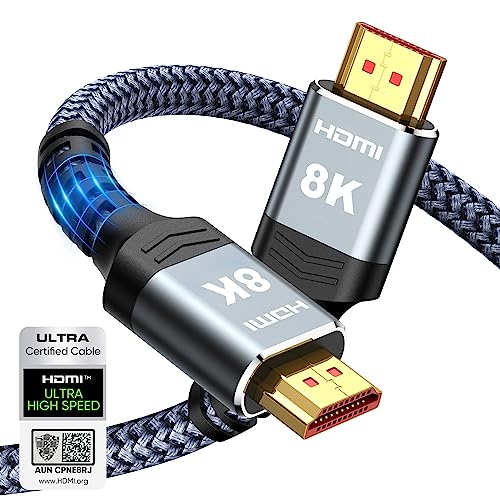
Best for users who want long‑term compatibility while keeping options open for future upgrades. This cable supports 8K at 60Hz and 4K at 120Hz, with 48Gbps bandwidth for high‑speed data transfer. It is backward compatible with earlier HDMI versions, making it suitable for older devices as you expand your home theater. Best for gamers and video enthusiasts who may upgrade to 8K or high‑frame‑rate content later.
- Supports 8K@60Hz and 4K@120Hz, enabling smooth gaming and cinematic playback.
- Backward compatible with HDMI 2.0/1.x devices; reduces the need to replace every component.
- Strengths: braided jacket and robust connectors; good for wall mounts or busy entertainment centers.
Who it’s best for: A buyer planning future 8K/4K upgrades but currently using 1080p or 4K displays. Why selected: It provides high bandwidth to handle future formats without swapping cables. Caution: Slightly longer run may not be necessary if you only need 1080p today.
PowerBear 4K HDMI Cable 10 ft

Better for budget setups that still demand reliable 4K performance and ARC. This cable delivers 4K at 60Hz and 2K/1080p resolutions with 18Gbps bandwidth, plus ARC and Ethernet. It uses a durable braided design with gold‑plated connectors. Best for everyday streaming, laptop to TV, and gaming consoles in cost‑conscious homes.
- 4K@60Hz capability with 18Gbps bandwidth ensures crisp images at standard home resolutions.
- Premium construction with braided nylon and gold connectors for durability.
- Fully backwards compatible with older HDMI versions; easy to integrate with existing gear.
Who it’s best for: Budget‑minded buyers pairing a TV, PC monitor, or console for 1080p or 4K streaming. Why selected: Strong value and solid performance without extra features that aren’t needed for 1080p. Caution: Not recommended for 8K content or ideal for higher refresh rates beyond 4K/60Hz.
Anker HDMI Cable 8K@60Hz and 4K@120Hz

Best for users who want premium performance with broad device compatibility and strong reliability. This cable supports 8K@60Hz, 4K@120Hz, and 48Gbps bandwidth, ensuring clean signal transfer for high‑end gaming consoles, streaming devices, and PCs. Ideal for those who sometimes upgrade displays but still watch 1080p content today.
- High bandwidth enables future use with faster frame rates and higher resolutions.
- Robust construction encourages long life with frequent plugging and unplugging.
- Backward compatible with older HDMI standards to minimize device incompatibilities.
Who it’s best for: Tech‑savvy buyers who want a long‑term, high‑quality cable that remains compatible with many devices. Why selected: It balances top‑tier specs with broad compatibility. Caution: Premium price relative to basic 1080p use, but futureproofing justifies the cost for some buyers.
Highwings HDMI Cable 6.6 ft 4K 2.0
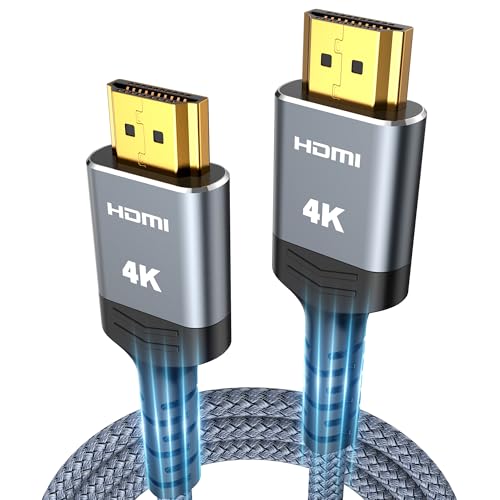
Best for compact setups that require a short, reliable HDMI connection. This 6.6 ft HDMI 2.0 cable supports 4K at 60Hz with HDR, ARC, and Ethernet. It’s a good fit for wall‑mounted TVs or monitor desks where a tidy, short run is essential.
- 4K@60Hz with HDR for vivid color and contrast on contemporary TVs and monitors.
- Gold‑plated connectors and braided jacket for durability and steady signal.
- Backward compatible with HDMI 1.4/1.3 devices, ensuring broad compatibility in mixed setups.
Who it’s best for: New home theater installs or desks with limited space needing dependable performance. Why selected: Compact length, solid 4K support, and durable build for everyday use. Caution: Not designed for 8K content or very high refresh rates.
Highwings Long HDMI Cable 15 ft

Choose this if you need a long, reliable HDMI connection without losing signal integrity. The 15 ft length supports 8K@60Hz and 4K@120Hz with 48Gbps bandwidth, including eARC and VRR for gaming and multimedia. Best for living rooms or multi‑room setups with distant TVs or projectors.
- 8K/4K support with dynamic HDR and eARC for enhanced audio and visuals.
- VRR for smoother gaming performance and reduced tearing on compatible devices.
- Backwards compatible across HDMI versions, helping with mixed equipment arrays.
Who it’s best for: Home theater enthusiasts needing long cables with robust performance. Why selected: Long reach without sacrificing signal quality. Caution: Longer cables can have slightly higher potential for signal loss if not installed away from interference sources.
Buying Guide: Key Purchase Considerations
- What resolution and refresh rate do I need? If you only use 1080p, a standard HDMI 1.4/2.0 cable with 18–28Gbps bandwidth suffices. For future upgrades to 4K/60Hz or 4K/120Hz, pick HDMI 2.0 or 2.1 cables with 18–48Gbps bandwidth.
- Length vs. signal loss: Shorter cables typically preserve signal strength. For long runs, choose certified high‑speed cables with robust shielding and HDMI 2.1 support if you plan 8K or high frame rates.
- Build quality: Braided nylon, gold‑plated connectors, and good strain relief improve durability in busy entertainment spaces or wall mounts.
- Compatibility: Ensure backward compatibility with older HDMI versions to connect legacy devices without issues.
- Futureproofing: If you anticipate upgrading displays to 4K/8K or adding VRR/eARC features, invest in a higher‑bandwidth HDMI 2.1 cable.
- Special features: HDR support, ARC/eARC, Ethernet, and CEC compatibility can influence your choice based on your audio setup and smart devices.
FAQ
- Do I need HDMI 2.1 for 1080p? No. HDMI 2.0 or even HDMI 1.4 can handle 1080p well. Choose 2.0 or 2.1 only if you plan future 4K/60Hz or 8K features.
- Is longer cable always worse for 1080p? Generally yes, but high‑quality cables with proper shielding maintain signal integrity over longer distances.
- What’s the difference between HDMI 2.0 and HDMI 2.1? 2.1 offers higher bandwidth (up to 48Gbps), 4K/120Hz and 8K/60Hz support, VRR, and enhanced eARC. 2.0 is sufficient for most 1080p and many 4K setups.
- Do I need braided vs. non‑braided cables? Braided cables are more durable and resistant to wear in busy setups; they’re a good long‑term choice for living rooms and desks.
- Can I use a 4K/8K cable with older TVs? Yes, if the TV supports the HDMI version, the cable will negotiate the highest common mode. Some features may be disabled on older devices.