Choosing a handheld recording device can simplify lectures, meetings, and interviews. This guide highlights five reliable options, comparing memory, battery life, noise reduction, and usability. Each entry includes key specs and practical use cases to help you pick the right model for everyday recording needs.
Summary table of selected products:
| Product | Brand | Memory | Key Features | Ideal For |
|---|---|---|---|---|
| EVISTR L357 Digital Voice Recorder | EVISTR | 64GB | Noise reduction, A-B repeat, USB-C, MP3/WAV | Students, professionals needing clear playback |
| Tonfarb 136GB Digital Recorder | Tonfarb | 136GB | PCM 1536kbps, A-B repeat, password protection | Lectures, meetings, long sessions |
| Sony ICD-PX370 | Sony | — | Built-in USB, long battery life | On-the-go quick recordings |
| WUCOTC 264GB Professional Recorder | Wucotc | 264GB | AI noise cancellation, password, playback options | Broadcast-quality capture |
| EVIDA 128GB Digital Recorder | EVIDA | 128GB | High-capacity memory, password protection, playback | Long events and multiple sessions |
EVISTR L357 Digital Voice Recorder

The EVISTR L357 model emphasizes straightforward operation with two primary controls: record and save. It offers 64GB of memory, a compact metal body, and 3 hours of charging for about 32 hours of continuous recording. Its PCM audio delivers 1536kbps quality with 360° capture, and playback supports A-B repeat for efficient review of important sections. A-B repeat and easy transfer via USB-C make it practical for students and professionals reviewing interviews or lectures.
Voice-activated recording ensures the device starts when sound is detected and pauses otherwise, conserving storage and power. The built-in microphone uses noise reduction to improve intelligibility in typical classroom or office environments. This model suits users who value a light, reliable recorder with clear playback and simple operation.
Tonfarb 136GB Digital Voice Recorder

This model stands out with large capacity and smart features. It provides 136GB of memory (with an 8GB base and 128GB card) and 1536kbps PCM HD audio for high-fidelity capture. A dual-microphone setup helps reduce noise, while automatic voice reduction prioritizes speech, making it suitable for lectures, interviews, and meetings. The device supports USB-C transfer and includes an A-B repeat function to revisit key sections of a recording.
Battery life supports long sessions, and the device can be used as an MP3 player as well. The simple two-button operation is designed for quick access, even during busy schedules. It is well-suited for researchers and professionals who need reliable long-form recording with robust memory.
Sony ICD-PX370 Mono Digital Voice Recorder

Sony’s ICD-PX370 is a compact, straightforward recorder with a built-in USB connection for quick file transfers. It emphasizes long battery life, enabling up to 57 hours of recording time on MP3 (128 Kbps) and simple one-step export to a PC. The mono design keeps it affordable and easy to carry, making it suitable for students and professionals who need a dependable on-the-go option without extra features that complicate use.
The device offers immediate availability of audio in widely supported formats and is ideal for capturing lectures or meetings where simplicity and reliability trump advanced controls. Users who want a no-fuss recorder will find this model appealing for daily use.
HoTiyan 8GB Digital Recorder with Playback
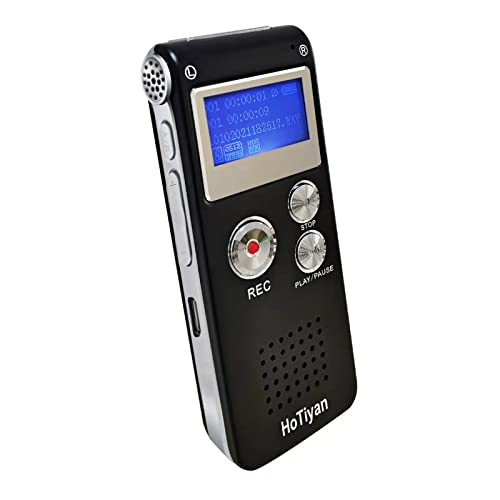
The HoTiyan device emphasizes a compact 8GB capacity with a rechargeable battery that supports up to 20 hours of continuous recording and 8 hours of playback. Its upgraded microphone and noise reduction features deliver clearer stereo recordings in classrooms or meetings. It includes an eye-catching management layout for easy operation and supports MP3 playback alongside recording, making it a versatile pocket recorder for students and professionals who require a budget-friendly option with playback capabilities.
EVIDA 128GB Digital Voice Recorder
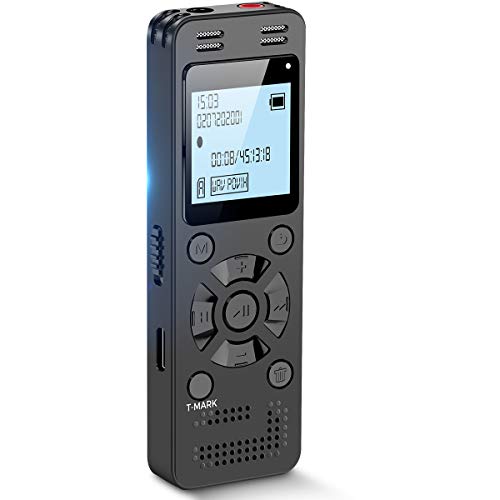
EVIDA offers a high-capacity 128GB recorder with up to 9296 hours of storage and playback capabilities, making it a strong choice for long sessions. It supports multiple formats (MP3, WAV) and features a 6-level voice-activated recording system to minimize blank spaces. The device supports password protection, providing privacy for sensitive meetings or interviews. Users can pre-set recording parameters and leverage easy USB transfer for data management, appealing to journalists and professionals who need robust archival capability.
WUCOTC Professional 264GB Recorder

WUCOTC delivers studio-grade clarity with an AI-enhanced noise cancellation chip and a large 264GB memory setup. It supports up to 18,000 hours of recordings and a 100+ hour lifespan on a single charge. The recorder includes password protection, a variety of playback options, and a sophisticated feature set such as A-B repeat, bookmarks, and variable speed playback. This model targets professionals who require broadcast-ready quality and extensive storage for fieldwork, panel discussions, or lengthy interviews.
Buying Guide: Key Purchase Considerations
When selecting a handheld recording device, consider these essential factors: memory and expandability, battery life, microphone quality and noise reduction, ease of use, format support and codec options, playback features, and security needs. A higher bit rate and dual-microphone setup generally yield clearer recordings in noisy environments. If you plan to record long events, prioritize large memory and durable battery life. For students and researchers, A-B repeat, password protection, and quick USB transfers can improve efficiency. Finally, consider whether you want an all-in-one MP3 player or a dedicated audio recorder with specialized controls.
Memory capacity and expandability: Some devices offer built-in storage with microSD or TF card expansion. For extended sessions, 128GB or more plus an additional card can prevent frequent overwrites. Battery life varies by model; look for devices rated for 20–100 hours of continuous recording depending on settings and format. Format support matters: WAV/PCM delivers higher fidelity, while MP3 provides compact files suitable for playback across devices. The presence of a voice activation feature can dramatically reduce unnecessary recording time in busy environments.
Usability and design: A compact form factor improves portability, while a simple button layout reduces the learning curve. Some devices include playback features like A-B repeat, speed control, and bookmarking, which help in reviewing important segments. Password protection adds a layer of security for sensitive discussions. In busy environments, noise reduction and directional microphones can help isolate speech from ambient sound.
Practical use cases: For students and journalists, a high-fidelity microphone and reliable playback are crucial. For business professionals, password protection and easy transfer to a computer support confidentiality and workflow efficiency. For field reporters or travelers, battery life and rugged design matter alongside expanded memory. Evaluate whether you need a device primarily for notes, or one capable of professional-grade interviews and conferences.
Conclusion is not included in this guide. Instead, use the buying considerations above to align features with real-world needs, ensuring you choose a handheld recording device that delivers clear recordings, reliable playback, and efficient file management.