For designers, illustrators, and students, a reliable drawing tablet can elevate your creative workflow. The following selections focus on pen pressure, color accuracy, screen quality, and driver flexibility to help you choose a device that fits your Mac, Windows, or Android setup. Each option is evaluated for on-screen drawing, external display use, and compatibility with popular design software.
| Product | Brand | Key Feature | Best For |
|---|---|---|---|
| GAOMON PD1161 Drawing Tablet with Screen | GAOMON | 11.6″ full HD screen, tilt, shortcut keys | Pro artists needing a screen |
| UGEE M708 Large Drawing Tablet | UGEE | Large active area, 16384 pressure levels | Budget screen-free option |
| XPPen Artist 13.3 Pro | XP-Pen | Full-laminated display, 60° tilt, wide color | Color-focused professionals |
| HUION Inspiroy H640P | HUION | Compact, 8192 pressure, 6 hot keys | Portable writer-drawer |
Note: The products listed below are presented in a comparative format to aid in evaluating screen versus non-screen drawing tablets, pressure sensitivity, and overall value for designers working across platforms.
GAOMON PD1161 Drawing Tablet With Screen
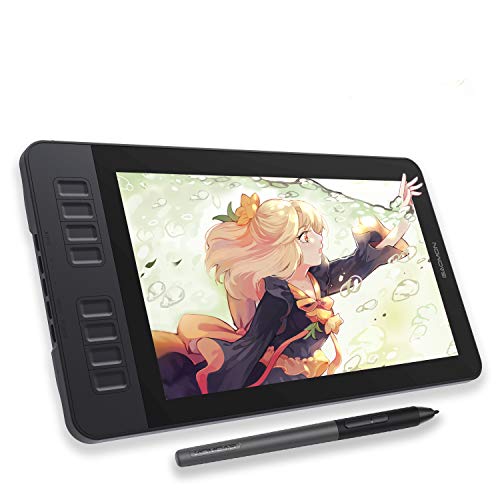
The GAOMON PD1161 is a screen-enabled drawing tablet designed for direct on-screen sketching. It uses a battery-free stylus and supports tilt for dynamic shading, making it suitable for illustration, design, and editing tasks. Its 11.6-inch IPS display provides a full HD viewing experience, with a pre-installed matte film to reduce glare and emulate pen-on-paper feel. The device emphasizes color performance, offering a 72% NTSC (100% sRGB) gamut and 16.7 million colors for vibrant renderings. It is intended to be connected to a computer or laptop, not a standalone tablet, which makes it a solid choice for users who want a portable, pen-focused workflow with screen access. The combination of on-screen drawing and color fidelity makes it versatile for concept art, layout work, and detailed line work.
Key considerations: On-screen workflow is intuitive for artists accustomed to traditional media. The need for a computer connection means this is best for users who already have a workstation or laptop. The screen’s color accuracy and anti-glare surface help with long sessions, though color-critical projects may require color calibration for exact matches across devices.
UGEE M708 10×6 Inch Large Drawing Tablet
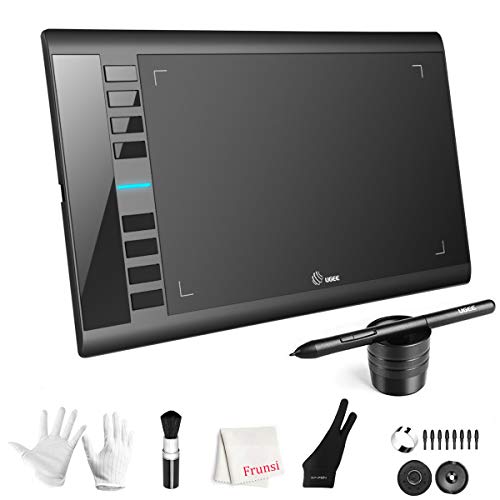
The UGEE M708 offers a generous 10 x 6 inch active drawing area with a papery texture surface, delivering an experience close to traditional drawing. It uses a passive stylus with 16,384 levels of pressure to deliver fine line weight control and subtle shading. The tablet supports broad software compatibility across Windows, macOS, Android, and Linux, making it a versatile choice for mixed-OS studios or students learning multiple platforms. The price point tends to be favorable for beginners and intermediate artists who want a large drawing area without a screen, while still maintaining high precision for sketching and editing tasks.
Key considerations: Compatibility with multiple systems broadens its use in classrooms or shared workspaces. The passive stylus means no charging, which reduces maintenance. Some users may still miss a screen, as it requires looking at a separate monitor for drawing alignment and design tasks.
XPPen Artist 13.3 Pro With Screen
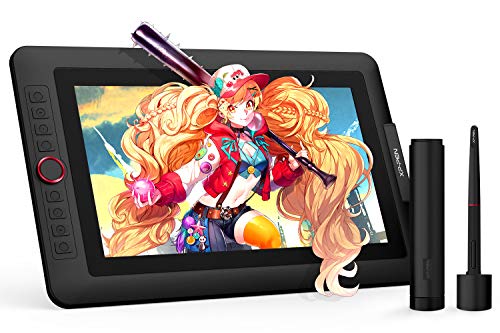
The XPPen Artist 13.3 Pro is a compact drawing tablet with a full laminated display that emphasizes color accuracy and natural pen response. It supports up to 60 degrees of tilt and provides a wide color gamut (88% NTSC, Adobe RGB ≈ 91%, sRGB ≈ 123%), delivering rich, vivid visuals ideal for concept art, illustration, and detailed design work. The 13.3-inch screen size strikes a balance between portability and drawing space. A 3-in-1 cable ensures reliable connectivity to a computer, and the device includes eight shortcut keys to streamline common tasks. It’s well-suited for those who want a screen-based experience with strong color performance in a compact form factor.
Key considerations: Tilt functionality plus a broad color gamut supports nuanced shading and color work. Users should ensure their software supports 3-in-1 cable setups and verify driver compatibility with their OS versions before purchase.
HUION Inspiroy H640P Drawing Tablet

The HUION Inspiroy H640P is a compact, portable graphics tablet featuring 8192 levels of pressure sensitivity and six customizable express keys. Its slim 0.3-inch profile and light weight make it ideal for travel, classroom use, or a secondary drawing setup. While it lacks a screen, its user-friendly driver and shortcut keys enable efficient workflow for drawing, writing, and designing tasks across Mac, Windows, and Android devices. The H640P is commonly chosen by students and professionals who want a reliable drawing surface that easily fits into a small desk or backpack.
Key considerations: The absence of a screen means you’ll work with a separate monitor. The device emphasizes portability and affordability, making it a solid entry option for those prioritizing space and budget over on-screen drawing.
XPPen Deco 01 V3 Drawing Tablet

The XPPen Deco 01 V3 features 16,384 levels of pressure with a battery-free wand and a 10×6 inch active area. It includes eight hotkeys and supports Android connections, expanding its versatility for on-the-go sketching and teaching demonstrations. The Deco 01 V3 is designed for beginners and intermediate artists seeking a natural drawing feel with programmable shortcuts that adapt to different software environments. Its compact size, combined with strong pressure sensitivity, supports precise control for line work and shading.
Key considerations: The pen’s battery-free design reduces maintenance, and the eight shortcuts can speed up common actions. Android compatibility broadens its use-case scenarios, though some users may require additional driver setup for optimal mapping with various apps.
Buying Guide: Key Purchase Considerations
- On-screen vs. non-screen: Screen tablets offer a direct drawing experience but tend to be pricier. Non-screen tablets are more portable and affordable but require looking at a separate display for alignment.
- Pen technology: Battery-free styluses reduce maintenance. Check pressure levels (8192 is common) and tilt support to achieve dynamic shading.
- Color accuracy: For graphic design, color gamut and display laminations impact how faithfully you can reproduce work. Look for sRGB and Adobe RGB references and consider calibration needs.
- Shortcut customization: Hot keys and driver profiles speed up workflows across software like Photoshop, Illustrator, Clip Studio, and Blender. Ensure driver compatibility with your OS and preferred apps.
- Compatibility and ecosystem: Confirm that the tablet works with your computer or mobile device (Windows, macOS, Android). Some units support Android, which can be valuable for on-the-go work or teaching.
- Size and portability: Larger drawing areas increase comfort for detailed work, while compact tablets favor travel and shared workspaces.
- Software and driver updates: Regular driver updates improve compatibility and performance. Check manufacturer support for your OS version and software suite.
- Durability and warranty: Consider build quality, nib replacements, and after-sales support when choosing a tablet for long-term use.