Finding the right GPS device in the USA means matching features to your specific needs—driving, hiking, or asset tracking. This guide highlights five reliable options suited for American users, spanning in-car navigation, handheld trail units, and vehicle trackers. Each pick is evaluated for clarity, up-to-date maps, and real-time location features to help you choose confidently. The buyer’s table below summarizes who each product is best for and why it stands out.
| Product | Best For | |
|---|---|---|
| 9″ GPS Navigator for Car Truck RV | Drivers, trucks, RV users | 2026 maps, lifetime updates, large touchscreen, truck routing |
| NiesahYan Handheld GPS | Hikers and outdoor explorers | Sunlight-readable display, multi-GNSS, rugged design |
| LandAirSea 54 GPS Tracker | Asset and vehicle tracking | Real-time tracking, geofencing, discreet magnet mount |
| NAVRUF 7 Inch Car GPS Navigator | Daily driving with lane guidance | 2026 USA maps, lifetime updates, lane assist |
| 4G LTE GPS Tracker (CXK) | Fleet or personal asset tracking | Multi-system positioning, 30-second updates, geo-fencing |
9″ GPS Navigator for Car, Truck, RV

This in-dash navigation system targets drivers who need reliable navigation across multiple vehicle types. It ships with 2026 North American maps and offers lifetime map updates, plus downloadable maps for additional regions. The device’s large 9-inch touchscreen improves readability in bright cab environments and during long drives. Real-time safety alerts include speed limits and curves, supporting safer routing. Best for professional drivers, families with multiple vehicles, and RV enthusiasts who want consistent map freshness without ongoing fees.
Key suitability highlights:
– Best for: Truckers and RV owners who require custom routing and clear, large maps.
– Why selected: The 2026 maps plus lifetime updates reduce recurring costs and keep routes current.
– Limitation: The data notes EU/UK maps are downloadable but may require extra steps to access outside North America.
NiesahYan Handheld GPS for Hiking

This rugged handheld GPS is purpose-built for outdoor use, with a compact 3.2-inch, sunlight-readable screen and physical buttons for reliable operation in challenging conditions. It supports multiple GNSS systems (GPS, Galileo, Beidou, QZSS), delivering precise location data up to roughly 6 feet. The device is best-suited for hikers, climbers, and trail runners who need a durable unit with dependable signal reception and extended battery life for longer expeditions. A cautious note: the device’s screen size is smaller than typical car units, which may affect map readability on busy routes.
LandAirSea 54 GPS Tracker

This compact tracker is designed for asset protection and vehicle monitoring. It offers real-time location updates and geofencing via web software or the SilverCloud app, with updates as frequent as every 3 seconds. The discreet hardware integrates a strong magnet for easy concealment on metal surfaces. It is well-suited for fleet managers, parents with teen drivers, or anyone needing real-time visibility of valuable assets. Limitation: a subscription is required to access the tracking platform and features like alerts and history playback.
NAVRUF 7 Inch Car GPS Navigator
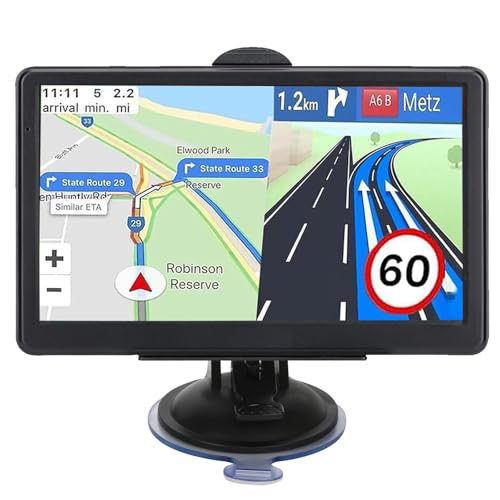
This NAVRUF model emphasizes turn-by-turn guidance with lane assistance and safety alerts, including current speed and red-light warnings. It comes pre-loaded with 2026 North American maps and supports free lifetime map updates. The device is designed to help drivers reach destinations efficiently while staying aware of lane positions near complex interchanges. Best for daily commuters, rideshare drivers, and road-trippers who value proactive warnings and clear route planning. Caution: the map update process may require user contact with support for Europe map availability.
4G LTE GPS Tracker (CXK)

The CXK 4G LTE GPS tracker focuses on precise, real-time vehicle tracking with multi-system positioning (GPS + AGPS + WiFi + 4G/2G). It provides frequent location updates (about every 30 seconds) and features smart geo-fencing for movement alerts. This unit is apt for fleet managers, construction sites, or personal asset protection across challenging urban environments where GPS alone may struggle. A potential limitation is reliance on cellular service; in areas with weak network coverage, updates can delay or degrade accuracy.
Buying Guide: Key Purchase Considerations
What will you mainly use the GPS for?
Identify whether you need in-car navigation, off-road hiking support, or asset tracking. Car and RV navigators prioritize map accuracy and routing features, while handheld devices focus on durability and multi-GNSS support for outdoor use. Trackers emphasize real-time location, geofencing, and battery life.
Maps and updates: How important are lifetime maps?
Lifetime map updates remove recurring fees and keep routes current. Some devices offer updates for multiple regions (e.g., North America plus Europe), but check whether updates require a connection or subscription for continued access.
Screen size and readability matters
In-vehicle units usually benefit from large screens (7–9 inches) for legibility, especially in bright daylight. Handheld devices may have smaller screens but compensate with rugged designs and tactile controls. Consider visibility in different lighting conditions and whether you prefer touch input or physical buttons.
Real-time data and connectivity
For trackers, cellular connectivity determines update frequency and reliability. If you need rapid alerts, choose devices advertising 30-second to 3-second update rates. For in-car GPS, look for real-time traffic, speed alerts, and safety warnings that align with your typical driving routes.
Durability and environment
Outdoor use requires rugged construction, water resistance, and long battery life. If your unit is for vehicles or boats, waterproofing and a secure mounting solution are key considerations.
Subscription vs. no-subscription models
Some trackers require ongoing service plans for maps, alerts, or cloud features. Understand whether the device itself is sold with a plan or operates with pay-as-you-go access to essential tools, and compare total cost of ownership over several years.
Frequently Asked Questions
- Do all GPS navigators need internet access? No. Many car navigators work with pre-loaded maps and do not require an ongoing internet connection for basic navigation, though some features like live traffic may require data.
- What is lifetime map updates, and why care? Lifetime map updates provide ongoing map refreshes without recurring fees, helping you stay current with new roads and changes across regions.
- Can handheld GPS devices be used in cities with tall buildings? Yes, but urban multipath signals can affect accuracy. Multi-GNSS support helps mitigate some of these issues by using additional satellite systems.
- What should I consider before buying a GPS tracker? Evaluate update frequency, geofencing capabilities, battery life, and whether a subscription is required for full features like alerts and history playback.
- Is a larger screen always better for navigation? A larger screen improves readability, especially on long drives or in bright light. However, it may affect portability and mounting options for handheld units.
- Are there maps available for Europe or other regions? Some models offer downloadable or add-on maps for Europe, but availability varies by device. Check manufacturer notes and support if you plan international travel.
These picks present a spectrum of GPS options available in the USA, from dedicated in-car navigators to rugged outdoor handhelds and versatile asset trackers. Each product is selected to balance up-to-date maps, reliability, and practical use cases for American buyers seeking accurate location services across driving, hiking, and asset protection scenarios.