When selecting a portable power station to support a CPAP machine, reliability, clean power, and ease of use are essential. The following five compact, battery-powered generators offer pure sine wave outlets, multiple charging options, and sufficient capacity to keep CPAP machines running during trips, outages, or camping. Each product is evaluated for CPAP compatibility, safety features, and portability to help travelers and campers maintain uninterrupted sleep comfort.
| Product | Brand | Capacity | Key CPAP Compatibility Notes |
|---|---|---|---|
| Jackery Portable Power Station Explorer 300 | Jackery | 293Wh | Two pure sine wave AC outlets; multiple ports; light enough for travel. |
| HOWEASY Portable Power Station 300W | HOWEASY | 222Wh | 110V pure sine wave outlet; strong USB-C/USB-A outputs; travel-friendly. |
| Enginstar Solar Generator 296Wh | EnginStar | 296Wh | 110V pure sine wave outlets; multiple ports; lightweight for camping. |
| EnginStar Portable Power Station 296Wh | EnginStar | 296Wh | Two 110V pure sine wave outlets; multiport charging and USB-C support. |
| PROGENY 299Wh Portable Power Station | PROGENY | 299Wh | Single 110V outlet; pass-through charging; compact for CPAP use on trips. |
Jackery Explorer 300 Power Station

The Jackery Explorer 300 delivers a compact 293Wh lithium-ion battery with two pure sine wave AC outlets, supporting up to 300W continuous output. It supports fast recharge via wall outlet, 60W USB-C PD, car charging, or optional solar panels. Its light weight (about 7.1 pounds) makes it practical for CPAP users who travel or camp, ensuring stable, clean power for CPAP units and other devices at the same time. Connectivity includes PD USB-C, USB-A, and DC car port for flexible charging and device support.
HOWEASY Portable Power Station 300W

The HOWEASY unit weighs about 5.5 pounds and provides 222Wh of capacity with a 110V pure sine wave AC outlet. It includes 2 QC 3.0 USB ports, standard USB-A, and a USB-C 65W port, plus several DC outputs. The compact form and strong port selection make it suitable for CPAP use during travel, camping, or emergencies, with efficient charging options and a robust protection system to safeguard connected devices.
Enginstar 296Wh Solar Generator

The EnginStar 296Wh solar generator emphasizes portability with a compact 9 x 5.5 x 7.5-inch footprint and a light 6.5-pound weight. It offers two 110V pure sine wave outlets, a 12V car port, DC outputs, USB-A, and USB-C fast charge. The device includes a built-in LED light and an LCD display for easy monitoring. It supports multiple charging methods, including wall charging, car charging, and solar panel input (panel sold separately), making it suitable for CPAP use in outdoors or emergencies.
EnginStar 296Wh Portable Power Station

This EnginStar model mirrors a 296Wh capacity with two 110V pure sine wave outlets and multiple ports, including DC outputs and USB-C. The device emphasizes safety with a robust protection system and the ability to power CPAP machines, laptops, cameras, and more during outdoor adventures or outages. The compact design supports easy transport without sacrificing essential outlet options for CPAP connectivity.
PROGENY 299Wh Power Station
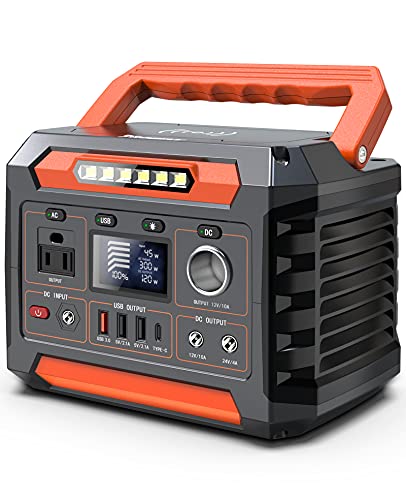
The PROGENY model offers 299Wh capacity with a single 110V pure sine wave outlet, pass-through charging, and a robust set of USB and DC ports. It is designed for CPAP use during camping or emergencies, delivering reliable sine-wave power, a manageable weight, and practical charging options. Despite a smaller port footprint, it delivers enough outputs to support CPAP devices and essential accessories simultaneously.
Buying Guide: Key Purchase Considerations
Power capacity and outlet quality are the foundation for CPAP-friendly generators. A pure sine wave inverter protects CPAP components and delivers stable operation, especially when the unit runs a CPAP motor and humidifier. For CPAP use, aim for 200–300Wh or more if you travel frequently or sleep away from power sources, with at least one 110V pure sine wave outlet.
Portability matters. Consider weight and dimensions, especially for camping or long trips. Units under 7 pounds are typically easier to carry, while still offering practical AC outlets, USB-C PD, and USB-A ports for charging multiple devices concurrently.
Charging flexibility is another priority. The best CPAP-compatible generators support wall charging, car charging, and solar input when available. Fast charging via USB-C PD and multiple USB ports helps keep tablets, phones, or CPAP accessories ready between sessions. Built-in LED lights and LCD displays are helpful for field use.
Battery management and safety features provide peace of mind. Look for overcharge and short-circuit protection, temperature control, and reliable battery chemistry. Some models include smart cooling fans to manage heat during higher loads. Pass-through charging (charging while you discharge) can be convenient during outages, but verify any limitations in the user manual.
Solar compatibility and expansion are optional but beneficial for outdoors or off-grid scenarios. If you plan to rely on solar power, ensure the generator supports solar charging, and confirm the solar panel compatibility and charging time expectations. Weight, durability, and weather resistance should be weighed against how often you’ll use the unit in rugged environments.
Support and warranty matter for CPAP users. Choose brands with clear warranties, verified customer support, and accessible replacement parts. A trusted warranty reduces risk when using essential medical equipment in travel or remote locations.
These five options provide a balance of capacity, output quality, and portability suitable for CPAP users on the move. When selecting, prioritize devices with pure sine wave inverters, multiple charging methods, and a design that fits your typical travel or camping routine.