Protecting your important files starts with a fast, reliable flash drive built for regular backups. This guide highlights five top options that balance capacity, speed, and compatibility for backing up photos, documents, and videos to a portable, easy-to-use device. Read on to compare features, read/write speeds, and flexibility across USB-A, USB-C, and dual-interface models. Whether you’re organizing family media or safeguarding critical work files, these picks help ensure quick recoveries and smooth transfers.
Summary of chosen products
| Product | Brand | Capacity | Interface | Key Benefit |
|---|---|---|---|---|
| SanDisk Ultra USB 3.0 Flash Drive | SanDisk | 512 GB | USB 3.0 | High capacity with fast read speeds for large backups |
| Amazon Basics Ultra Fast USB 3.1 | Amazon Basics | 256 GB | USB 3.1 | Excellent balance of speed and value |
| Aiibe 128 GB USB 2.0 Drive | Aiibe | 128 GB | USB 2.0 | Reliable everyday storage and transfer |
| Vansuny 128 GB USB-C 2-in-1 | Vansuny | 128 GB | USB-C / USB 3.0 | Two connectors for broad device compatibility |
| SanDisk Ultra Flair 128 GB | SanDisk | 128 GB | USB 3.0 | Fast, portable backup for quick file transfers |
SanDisk 512GB Ultra USB 3.0 Flash Drive
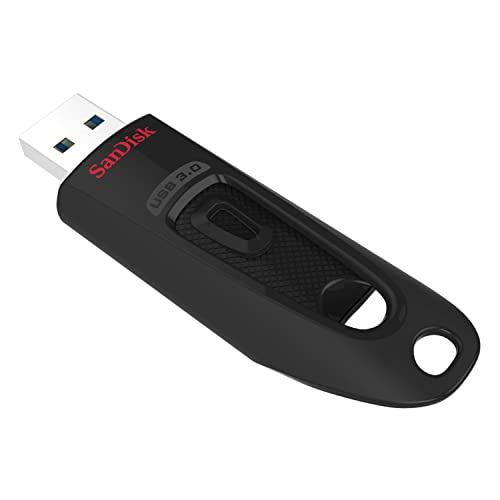
Capacity and performance define this model. It delivers read speeds up to 130 MB/s and plain USB 3.0 compatibility, which helps accelerate full-device backups and large file transfers. The drive is backward compatible with USB 2.0, making it a versatile option for mixed environments such as personal laptops, office desktops, or school devices. It also includes secure file encryption and password protection, providing an added layer of data security for backup stores. Best suited for users prioritizing large backup jobs without sacrificing portability.
Amazon Basics 256 GB Ultra Fast USB 3.1 Flash Drive
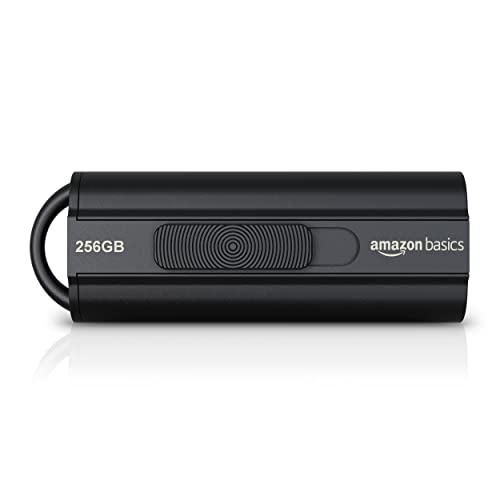
Amazon Basics offers a strong value proposition with a 256 GB capacity and USB 3.1 performance, featuring read speeds up to 130 MB/s. The drive is designed for rapid data transfer, supporting backups of photos, videos, and large project files. It’s a practical pick for users who want a straightforward, dependable device without extra bells and whistles, while keeping compatibility across many Windows and Mac systems. Note that actual usable capacity may appear slightly below the labeled figure due to formatting standards.
Aiibe 128GB USB 2.0 Flash Drive

Aiibe provides a compact 128 GB option with USB 2.0 compatibility, making it a reliable everyday backup drive for systems that lack USB 3.x ports. While USB 2.0 won’t match modern USB 3.x speeds, this drive prioritizes simplicity and broad compatibility, supporting Windows, macOS, Linux, and many other devices. It’s a practical choice for educators, students, or travelers who need a low-cost, dependable backup companion that works with a wide range of devices and operating systems.
Vansuny 128GB USB-C 2-in-1 OTG Drive

This dual-interface drive combines USB-C and USB-A for broad compatibility with smartphones, tablets, laptops, and desktops. It’s formatted as exFAT by default, which supports large files and media transfers, and it advertises fast USB 3.0 performance. The two-in-one design is ideal for users who frequently switch between devices, including Android phones, newer MacBooks, and Windows PCs. However, format considerations may affect compatibility on some devices, so plan backups accordingly.
SanDisk 128GB Ultra Flair USB 3.0

SanDisk Ultra Flair provides robust USB 3.0 performance with speeds up to 150 MB/s read, designed to shorten backup times for medium-sized libraries of documents, media, and project files. The drive’s high-speed characteristics allow for quicker media backups, making it a favorite for users who frequently move large video files or full-camera shoots to backup drives. It’s compact, portable, and widely compatible with USB 3.0-enabled devices, while still functioning on USB 2.0 hosts with reduced speeds.
Buying Guide: Key Considerations For Choosing A Backup Flash Drive
When selecting a flash drive primarily for computer backups, consider these factors to align with your needs:
- Capacity vs. budget: Larger capacities reduce backup fragmentation and the need for multiple drives. Balance storage needs with price, and consider future growth.
- Speed class and interface: USB 3.1/3.2 and USB-C interfaces offer faster read/write speeds, speeding up backups and restores. USB 2.0 is inexpensive but markedly slower.
- Device compatibility: If you work across Windows, macOS, Linux, or mobile devices, choose a drive with broad OS support and, if possible, dual interfaces (USB-C/USB-A).
- Security features: Some drives include encryption and password protection. For sensitive backups, consider hardware-based security options and compatibility with your preferred encryption methods.
- Durability and form factor: For travel or field use, opt for metal casings or protective features. A tiny form factor helps fit into pockets or keychains.
- Formatting and file systems: exFAT supports large files and cross-platform use, but some devices require FAT32 for compatibility. Check your backup plan and target devices before formatting.
- Reliability and warranty: Look for reputable brands and a warranty period that provides peace of mind for long-term backups.
For routine backups, a strategy that combines enough capacity with solid transfer speeds minimizes downtime and reduces friction when restoring data. If you regularly back up media libraries or working files, prioritizing USB 3.0/3.1 or USB-C interfaces and higher capacities can streamline your workflow. If you need compatibility with both older and newer devices, dual-interface drives are particularly convenient, though they may come at a premium.
In summary, the highlighted options cover a range of use cases from high-capacity desktop backups to portable, on-the-go file transfers. Users should weight capacity against speed and device compatibility to choose a drive that aligns with how they back up data, where they store it, and how often they perform recoveries.