Direct answer: The best eye relief binoculars balance long eye relief with large eyepieces, through-the-eye relief design, and glasses-friendly eyecups. This guide highlights five models that excel at eye relief, comfort, and image clarity for birding, hiking, travel, and general use. Each pick explains who it’s best for, with practical trade-offs to help you choose.
Summary table of chosen products
| Product | Magnification / Objective | Best For | Notable Benefit |
|---|---|---|---|
| Occer 12×25 | 12×25 | General travel, family use | Large eyepieces, adjustable eye cups |
| KTTREY 10×42 | 10×42 | Birding at dawn/dusk | 26mm eyepieces, 14mm eye relief |
| Nikon PROSTAFF P3 8×42 | 8×42 | All-weather outdoor viewing | Fogproof, bright, great color |
| Vortex Crossfire HD 10×42 | 10×42 | Rugged use, travel, wildlife | Eye relief adaptable eyecups, durable build |
| Poazork 20×25 | 20×25 | Close-in detail on hikes, concerts | Large eyepieces, compact and lightweight |
Occer 12×25 Compact Binoculars
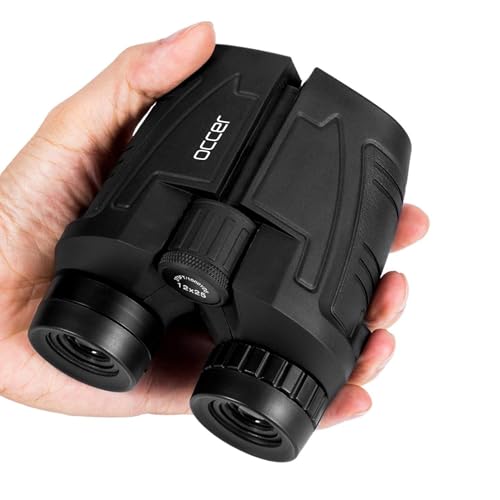
Best for: casual travelers, families, and kids who want easy-to-use, mid-power optics with eye-relief-friendly eyepieces. These binoculars offer 12x magnification with a 25mm objective and a wide field of view (273 ft/1000 yd). The FMC broadband coatings and BAK-4 prism help produce a bright, clearer image. The eyepiece design supports eyeglass wearers and non-wearers alike with adjustable eye relief.
Why selected: The large eyepiece and adjustable cups make this model comfortable for glasses wearers, while its compact size supports travel. It provides a solid balance of portability and optical performance for everyday use.
Caution: As a compact model, image brightness may be less robust in very low-light conditions compared with larger 42mm class binoculars.
KTTREY 10×42 Binoculars

Best for: eyeglass wearers and wildlife observers who need comfortable eye relief and a wide field of view in dawn or dusk light. It features 26mm oversized eyepieces and 14mm eye relief, allowing eyeglass users to see the full field without blocking view. FMC coatings and BAK-4 prism maximize light transmission and color fidelity.
What makes it stand out: The long eye relief and user-friendly eyecups support comfortable extended viewing. The build is designed for daily outdoor use with a durable, water-resistant case.
Caution: The higher-end brightness comes with a larger overall size than ultra-compact models, which may impact pocketability.
Nikon PROSTAFF P3 8×42 Binocular

Best for: outdoor enthusiasts who want reliable, weather-ready performance. The PROSTAFF P3 uses weather-sealed O-rings and nitrogen purging to resist fogging and moisture. The large objective lenses improve light capture for clear detail during birding, hiking, and sports.
Why selected: Nikon’s optics provide strong edge-to-edge sharpness and bright images, which is helpful when lighting is unpredictable. The weather-ready design makes it a solid all-around choice for varied conditions.
Limitation: This model is not the smallest or lightest; it emphasizes optical quality and durability over ultra-compact portability.
Vortex Crossfire HD 10×42 Binoculars

Best for: outdoor explorers who need a rugged, reliable optic with good eye relief and durability. The 10×42 configuration provides a versatile balance of magnification and brightness. Fully multi-coated lenses boost light transmission, and the eyecups twist to accommodate eyeglasses.
What to know: The Crossfire HD line includes an unlimited warranty, which is appealing for users who value long-term support and a robust build. It is heavier than ultra-compact rivals, so consider portability needs.
Poazork 20×25 Compact Binoculars
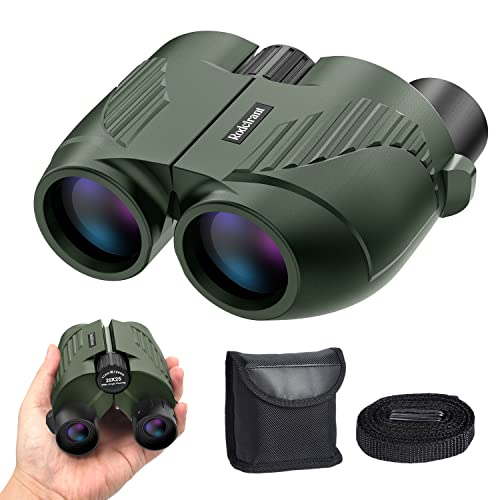
Best for: hikers and concert-goers who want a compact, high-magnification option for closer-in detail. The 20x magnification paired with large eyepieces (and an IP67 waterproof rating) supports low-light viewing and rugged use, though it may be less comfortable for long sessions without a tripod.
Why choose: It emphasizes a large eyepiece design to maximize viewing comfort and perception of detail at high magnification. The IP67 rating adds resilience against moisture and dust.
Caution: Higher magnification magnifies handshake; a stable setup or tripod is recommended for sharp images over longer periods.
Buying Guide: Eye Relief Binoculars
What is eye relief and why does it matter?
Eye relief is the distance from the last surface of an eye lens at which the eye can obtain the full viewing field. Longer eye relief is beneficial for eyeglass wearers and reduces the chance of vignetting. Look for models offering adjustable eyecups and longer eye relief measurements (often 14mm or more).
Key features to compare
- Eye relief and eyecup design: Twist-up or twist-down cups, long eye relief.
- Exit pupil and brightness: Larger objective lenses help in low light.
- Coatings and prism type: FMC coatings and BAK-4 prisms improve light transmission and color fidelity.
- Weather resistance: O-ring seals and nitrogen purging prevent fogging and moisture.
- Weight and ergonomics: Comfortable grip and balance support long viewing sessions.
Choosing by use case
- Bird watching and general travel: Look for 8x to 10x magnification with 42mm objectives for a good balance of field of view and light.
- Low-light viewing: Larger objectives (50mm+ in some models) and high-transmission optics help, but May add weight.
- Glasses wearers: Prioritize long eye relief (14mm+) and adjustable eyecups.
Maintenance tips
- Keep lenses clean with a microfiber cloth; avoid harsh chemicals.
- Store with lens caps on and in a protective case.
- Store in a dry place to avoid mold or moisture damage.
FAQ
- What is a good eye relief length for glasses wearers? – Typically 14mm or longer.
- Are higher magnification binoculars better for beginners? – Not always; higher magnification can amplify shake and reduce brightness. Consider a steadier setup.
- What coatings matter most? – FMC coatings and BAK-4 prisms improve brightness and color fidelity.
- Should I prioritize waterproofing? – Yes, for outdoor use in varying weather. Fog resistance helps in changing temperatures.
- Is a tripod necessary for high magnification? – For 15x or higher, a tripod or stabilizing method improves image stability.
- What is eye relief? – The distance from the last surface of the eyepiece to the eye where the full field is visible.