Answering your search for reliable external hard drive network options, this guide highlights five top picks that help you store, share, and back up data across devices. The focus is on network-connected storage (NAS) and high-capacity external drives designed for home or small office use. Ideal buyers include beginners seeking easy setup, videographers needing centralized media, and households that want private cloud-like access without recurring fees. The following table compares key details to help you decide quickly.
| Product | Type | Best For | Capacity / Range | Notes |
|---|---|---|---|---|
| UGREEN NAS DH2300 | 2-Bay NAS | Beginners seeking private storage and automatic backups | Diskless up to 64TB | RAM on board; HDMI; easy setup; no Docker/VM |
| Seagate Portable 4TB | External HDD | On-the-go storage with USB 3.0 | 4TB | Plug-and-play; no software required |
| BUFFALO LinkStation 210 4TB | 1-Bay NAS | Home cloud with centralized storage | 4TB | RAID-ready; Windows/macOS compatible |
| BUFFALO LinkStation 210 2TB | 1-Bay NAS | Compact home storage and backups | 2TB | Easy setup; personal cloud capabilities |
| Seagate Expansion 8TB | External HDD | High-capacity desktop storage | 8TB | USB 3.0; easy to use |
Note: All products listed are compatible with Windows and macOS to varying extents. When choosing, consider whether you want a true network-attached setup (NAS) or simply a large, fast external drive you connect to a computer for sharing. The following sections provide detailed, alternative options and who they are best for.
UGREEN NAS DH2300 2-Bay Desktop NAS

Best for beginners seeking a private storage hub. The DH2300 is a diskless NAS designed to simplify media storage, backups, and file access across devices. It supports up to 64TB total capacity when paired with drives and provides remote access. The system emphasizes ease of use, making it a practical starting point for households shifting from external drives to a centralized storage solution. It does not support Docker or virtual machines, which is a limitation for advanced users. RAM on board supports smooth basic operations and simple media management.
Who this is best for: a first-time NAS user who wants an approachable, private storage center for photos, videos, and documents. Why selected: straightforward setup, broad device compatibility, and scalable capacity without cloud subscription fees. Caution: not intended for heavy virtualization or advanced container workloads.
Seagate Portable 4TB External Hard Drive
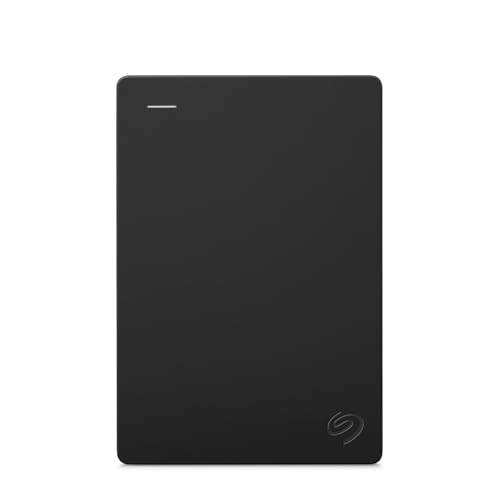
Better for portable on-the-go storage that you can easily connect to a computer or gaming console. This USB 3.0 external hard drive is designed for simple drag-and-drop backups and quick access to files. It is compatible with Windows and Mac, but it relies on a host computer for sharing across a network. It’s a solid choice when you need a large, portable drive rather than a true networked device.
Who this is best for: users who need extra storage for laptops or consoles and do not require a built-in NAS. Why selected: simple plug-and-play setup and broad cross-platform compatibility. Caution: not a standalone network storage device; sharing across devices requires a computer acting as a host.
BUFFALO LinkStation 210 4TB
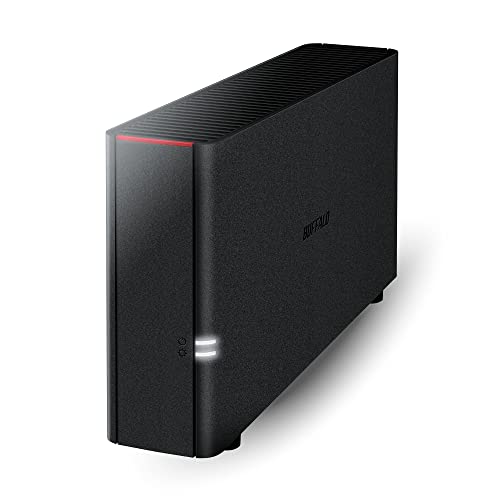
Best for users seeking a compact NAS with centralized storage and backup for multiple devices. The LinkStation 210 supports shared network storage over a router and works with Windows and macOS. It includes subscription-free personal cloud capabilities for accessing media remotely without ongoing fees. It is a budget-friendly option with RAID-ready potential, though it may lack some advanced enterprise features found in higher-end NAS units. Best for a family or small home office with multiple devices needing simple file access from anywhere on the home network.
Who this is best for: households needing a straightforward home cloud with easy setup. Why selected: affordable NAS with shared storage, cross-platform compatibility, and no mandatory cloud subscriptions. Caution: basic RAID support and fewer advanced features compared with premium NAS models.
BUFFALO LinkStation 210 2TB
Best for small households needing a compact NAS with simple backups and home cloud features. The 2TB model provides essential centralized storage for photos, videos, and documents, with easy router-based sharing. It’s suitable for users who prioritize simplicity over high-capacity or advanced virtualization features. A limitation is that it’s a single-drive NAS, so redundancy options are constrained compared with multi-drive systems.
Who this is best for: single-room or small-family users needing private cloud capabilities without complexity. Why selected: compact form, straightforward setup, and reliable network sharing. Caution: limited expandability and RAID options compared to multi-drive NAS units.
Seagate Expansion 8TB Desktop External Drive
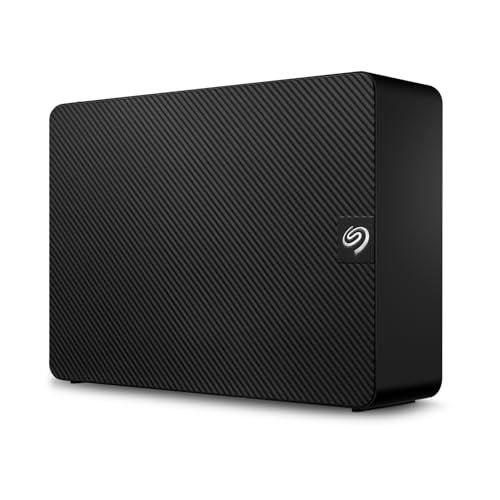
Best for high-capacity desktop storage connected to a single computer for large media libraries. This is a straightforward USB 3.0 external drive that excels at fast transfers and easy drag-and-drop backups. It is not a NAS and does not provide network sharing by itself. Use with a networked computer or a USB-enabled media server if you want network access.
Who this is best for: users needing substantial local storage for media collections. Why selected: easy installation, high capacity, reliable performance. Caution: requires a host device for sharing across a network; not a standalone NAS.
Buying Guide
What is your storage goal?
If you want a private, always-on network storage hub, choose a NAS (like the UGREEN DH2300 or Buffalo LinkStation models). If you primarily need large local storage for a single computer, an external USB drive (like Seagate Expansion or Seagate Portable) may suffice.
Do you need multi-device access?
For multiple devices to access files over the network, a NAS is essential. Look for models that support easy remote access, cross-platform compatibility, and simple backup features. If remote access is optional, a high-capacity external drive can work as an on-site solution.
Capacity and future growth
Plan for future needs by choosing a NAS that supports larger drives and expandable bays. Drive bays determine how much you can scale without replacing the entire unit. External drives offer straightforward expansion by adding more drives to a computer or a NAS if supported.
Security and backups
Prioritize devices with user authentication, encryption options, and reliable backup features. NAS units often provide built-in RAID configurations for redundancy. External drives rely on your computer’s security measures and backups to the cloud or another device.
Ease of use vs. advanced features
Beginners benefit from models marketed as beginner-friendly with simple setup. Advanced users may want Docker/VM support, expandability, and more granular control over permissions and networks. Balance your comfort with the level of control you need.
FAQ
- What is the difference between a NAS and a USB external hard drive? A NAS connects to your network and serves files to multiple devices, acting as a private cloud. A USB external drive plugs into a single computer and requires that computer to share files on the network.
- Do I need RAID on a NAS? RAID provides redundancy. If data protection is important to you, choose a NAS that supports RAID levels and use multiple drives. If you’re new, start with a simple configuration and backup strategy.
- Can I use these NAS devices with both Windows and Mac? Yes, most NAS devices offer cross-platform access, but you may need to configure user permissions and shared folders differently for Windows and macOS.
- Is cloud storage included with NAS devices? No, NAS devices are typically local storage. Some models offer optional remote access or “private cloud” features, but ongoing cloud fees are separate and not required.
- What cable or network requirements exist for NAS? A wired Ethernet connection (usually 1GbE or faster) provides stable performance. Some models may offer HDMI or USB-C for local access or setup, but network access primarily uses Ethernet.
- When should I upgrade from a single-bay NAS to a multi-bay model? If you need more storage, improved redundancy, or higher performance for simultaneous users, a multi-bay NAS is advantageous.