Choosing the right external drive enclosure can dramatically improve data transfer speeds, drive compatibility, and overall ease of use. This guide highlights top-rated enclosures that support 2.5″ and 3.5″ SATA drives, UASP, and USB 3.x interfaces, helping you turn internal drives into portable storage or reliable backups. The selected models balance tool-free installation, cooling considerations, and broad OS compatibility for American users.
Summary of chosen products:
- SABRENT USB 3.0 to SATA External Hard Drive Lay-Flat Docking Station for 2.5 or 3.5in HDD, SSD (EC-DFLT)
- SABRENT 2.5 Inch SATA to USB 3.0 Tool Free External Hard Drive Enclosure (EC-UASP)
- BENFEI 2.5 Inch SATA to USB Tool Free External Hard Drive Enclosure (USB-C/USB-A)
- NexStar DX2 USB 3.0 External Enclosure (NST-540S3-BK)
- SABRENT USB 3.0 Enclosure for 2.5” & 3.5” SATA HDD/SSD – EC-KSL3
SABRENT USB 3.0 To SATA Docking Station EC-DFLT
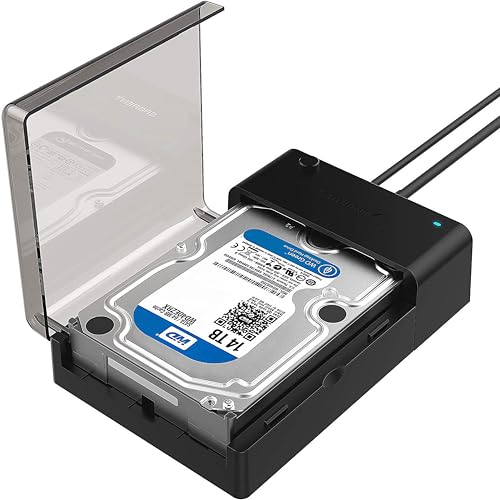
The EC-DFLT is a lay-flat docking station that supports both 2.5″ and 3.5″ SATA drives. It emphasizes broad drive compatibility and straightforward setup, making it a practical option for quick backups or data transfers. Firmware updates can unlock larger capacity support, with a focus on maintaining up-to-date performance. It connects via USB 3.0, delivering faster transfer rates than USB 2.0, and includes UASP support for improved efficiency on capable hosts.
Key features include a universal drive interface, USB 3.0 performance, and UASP support for enhanced read/write speeds. The dock can be used to clone or access drives directly from a computer, and its cooling considerations are balanced for mixed workloads. While it’s designed for speed, users should ensure firmware is current for the latest drive sizes and compatibility.
SABRENT 2.5 Inch Enclosure EC-UASP
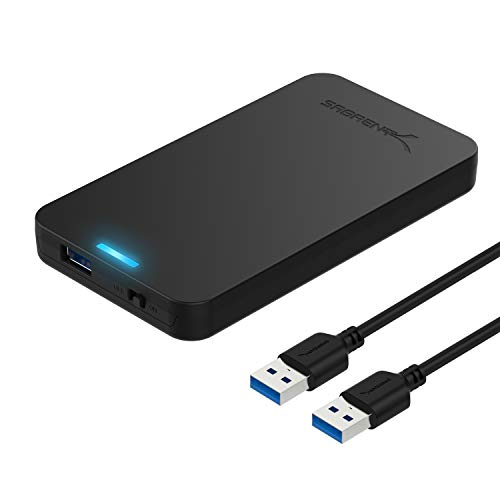
This 2.5″ SATA enclosure is designed for easy, tool-free installation with USB 3.0 connectivity and UASP support. It’s particularly optimized for SSDs but accommodates standard 2.5″ SATA/HDDs as well. Data transfer speeds are capped by USB 3.0 capabilities (up to 5 Gbps with UASP on compatible hosts), and backward compatibility with USB 2.0 ensures broad device support. It’s a compact, plug-and-play solution for expanding laptop storage or backing up files.
Pros include simple assembly, fast USB 3.0 transfer rates, and USB compatibility on a range of devices. Limitations might include the lack of advanced cooling for extended heavy workloads and the dependence on host system capabilities for maximum UASP benefits. This enclosure is well-suited for everyday backup tasks and portable storage needs.
BENFEI 2.5 Inch SATA Tool-Free Enclosure

The BENFEI enclosure emphasizes tool-free installation with USB Type-C and USB-A compatibility, accommodating 2.5″ SATA I/II/III drives. It supports up to 5 Gbps data transfer with USB 3.0 and UASP, delivering faster transfers than traditional USB 3.0. The enclosure is designed for hot-swapping and does not require driver installation, making it a plug-and-play option for transferring files between computers, laptops, or consoles. It’s especially convenient for users who value quick setup and modern USB-C connectivity.
Strengths include a straightforward push-to-install design, USB-C/USB-A versatility, and strong compatibility with OLED-era systems. A potential drawback is that it’s sized for 2.5″ drives, limiting 3.5″ drive use. Overall, it’s a solid choice for laptop storage upgrades, media backups, and portable OS deployments.
NexStar DX2 USB 3.0 Enclosure for 5.25″ Optical Drives (NST-540S3-BK)

The DX2 is a versatile enclosure designed to accommodate 5.25″ optical drives, with the ability to host 2.5″ or 3.5″ SATA drives when used with the appropriate mounting options. It features USB 3.0 with hot-swappable capability, an aluminum housing to reduce noise and vibration, and a 12V power adapter for reliable operation. The enclosure supports plug-and-play usage on multiple operating systems and provides a pathway to repurpose older optical drives into external storage or backup devices.
Highlights include broad drive compatibility, efficient cooling due to aluminum construction, and simple installation. Potential limits are the niche focus on optical-drive form factors, which may require additional brackets for some setups. This option is appealing for users seeking a rugged enclosure with expansion potential beyond standard 2.5″/3.5″ HDDs and SSDs.
SABRENT EC-KSL3 USB 3.0 Enclosure
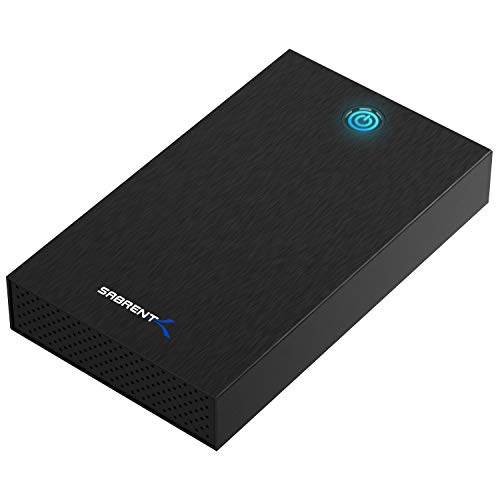
The EC-KSL3 offers USB 3.0 connectivity for 2.5″ and 3.5″ SATA drives, with tool-free installation and a built-in LED indicator. The enclosure emphasizes quick drive swaps and a straightforward setup, suitable for Windows, macOS, and Linux. It includes a power adapter and cable, ensuring stable operation for varied workloads. Its universal SATA compatibility makes it a flexible choice for multiple drive types and capacities.
Strengths include plug-and-play operation and driver-free usage, plus USB 3.0 speed with UASP support on capable systems. A potential drawback is that performance is bound by USB 3.0 limits and drive capabilities. In sum, it’s a versatile, user-friendly enclosure for expanding storage or migrating data across devices.
Buying Guide: Key Purchase Considerations
- Interface and speed: Prioritize USB 3.0/3.1/3.2 and UASP support to maximize transfer rates, especially for large backups or media libraries.
- Drive compatibility: Ensure the enclosure supports your drive sizes (2.5″ vs 3.5″, and 1–2TB up to 20TB or more for some models). If you plan to run multiple drives, consider bays or docking designs.
- Tool-free design: For quick upgrades and swaps, tool-free enclosures save time and reduce wear on screws and hardware.
- Power requirements: Some enclosures require external power, especially for 3.5″ drives. Verify whether your setup needs an adapter and where to place it.
- Cooling and build quality: Aluminum housings and good ventilation help minimize heat buildup during sustained transfers, extending drive life.
- Operating system compatibility: Look for cross-platform support (Windows, macOS, Linux) if you dual-boot or share drives across devices.
- Reliability and firmware: Check manufacturer firmware updates and warranty coverage. Keeping firmware current can improve compatibility with larger drives and new interfaces.
- Use case considerations: Docking stations are convenient for cloning and testing drives; enclosures are portable and typically better for backups or daily data transfers.
Performance versus convenience is the core trade-off. If you frequently swap drives, tool-free dock enclosures offer speed and flexibility. For stable long-term backups, a dedicated external enclosure with robust cooling and a reliable power supply is ideal. Consider your typical workload, drive sizes, and host computer capabilities when choosing.