Answering your search for a dependable external backup drive for a MacBook Pro, these picks cover solid Mac compatibility, easy setup, and robust data transfer speeds. Best for professionals needing quick backups, students building a portable library, and general users seeking reliable storage. The list includes both HDDs for cost-effective capacity and SSDs for speed and durability. Below, you’ll find clear, compare-friendly details to help you choose the right drive for your MacBook Pro workflow.
| Product | Capacity | Type | Best For |
|---|---|---|---|
| Seagate Portable 2TB | 2TB | HDD | Everyday backups, travel-friendly |
| WD Elements 2TB | 2TB | HDD | Budget-friendly Mac/PC backups |
| UnionSine 500GB Ultra Slim | 500GB | HDD | Ultra-portable backups on the go |
| Aiolo Innovation 500GB | 500GB | HDD | Pocket-sized backup and fast transfers |
| SanDisk Extreme Portable SSD 1TB | 1TB | SSD | High-speed Mac backups and rugged use |
Note: All drives listed are plug-and-play capable with MacOS. Some drives may require reformatting for full Mac compatibility; always back up your data before reformatting. The following sections compare each option by best use case, transfer speed, portability, and potential caveats to help you decide quickly.
Seagate Portable 2TB External Drive
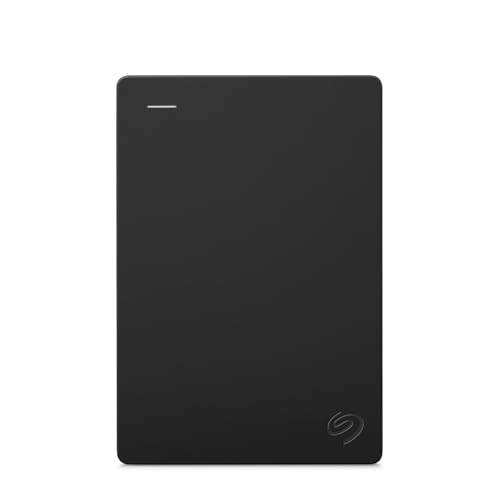
This Seagate portable HDD offers 2TB of storage in a compact, USB 3.0 enclosure. It is designed for both Windows and Mac systems and is recognized automatically when connected to a computer, with no software required. Best for users who want straightforward, drag-and-drop backups without extra setup steps. It is ideal for frequent travelers or one-step backups for large media libraries.
Who it’s best for: MacBook Pro users who value simple, reliable backups and cost-effective capacity. Caution: Although USB 3.0 remains widely compatible, this drive is an HDD and will not match SSD speeds in large file transfers.
WD Elements 2TB Portable Drive

WD Elements provides up to 2TB of capacity in a compact, plug-and-play package. It supports USB 3.2 Gen 1/USB 3.0, and is ready for both Windows and Mac right out of the box. This drive is well suited for users who want a budget-friendly solution with ample storage for photos, videos, and work files. The small footprint makes it easy to carry alongside a MacBook Pro.
Who it’s best for: MacBook Pro owners who need reliable, affordable backups and portable storage. Caution: The data transfer speeds are solid for USB 3.0-era devices but may be slower than SSD alternatives in large transfers.
UnionSine 500GB Ultra Slim Drive

UnionSine offers an ultra-slim, lightweight external HDD with USB 3.0 performance. It highlights a heat-dissipation design, a non-slip shell, and a compact form factor that fits easily in a pocket or alongside a MacBook Pro. With read/write speeds marketed up to around 125MB/s and 103MB/s respectively, this drive balances portability with consistent transfer rates.
Who it’s best for: MacBook Pro users who want a highly portable backup solution that’s easy to carry on trips. Caution: The advertised speeds are theoretical; actual performance varies by host device and data type.
Aiolo Innovation 500GB Ultra Slim Drive

Aiolo Innovation presents a compact 500GB external HDD designed for fast USB 3.0 transfers. The device emphasizes portability and quiet operation, suitable for a MacBook Pro on the go. It is marketed for cross-system compatibility, including Windows, Mac, Linux, and gaming consoles. This makes it a flexible option for mixed-device households.
Who it’s best for: MacBook Pro users who want a pocket-sized drive with broad compatibility. Caution: The 500GB capacity may feel limiting for users with large media libraries or frequent video backups.
SanDisk Extreme Portable SSD 1TB
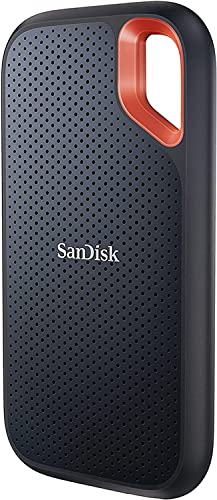
SanDisk Extreme Portable SSD delivers high-speed performance with up to 1050MB/s read and 1000MB/s write speeds. It features IP65 protection for water and dust resistance and is built for rugged use. The device is compact and includes a carabiner loop for secure transport. It’s ideal for faster backups and editing on the go, making it well-suited for MacBook Pro users who require speed and durability.
Who it’s best for: MacBook Pro users who need top-tier transfer speeds, rugged portability, and high reliability in varied environments. Caution: SSDS are more expensive per gigabyte than HDDs, so plan accordingly if budget is a constraint.
Buying Guide
What storage type should I choose for my MacBook Pro?
HDDs offer the most storage per dollar, making them ideal for large libraries of photos and videos. SSDs provide higher transfer speeds and better durability, which is valuable for time-sensitive backups or editing on the go. If you frequently transfer large files, an SSD may be worth the premium.
What connection should I look for?
USB 3.0/3.2 gen 1 devices work well for most backups, but USB-C or USB-C with Thunderbolt compatibility provides faster transfers with newer Macs. If your MacBook Pro has USB-C/Thunderbolt ports, choose drives that offer USB-C or USB-C to USB-C cables for best performance.
How much capacity do I need?
Estimate based on your current library and growth. If you back up large video projects or RAW photo libraries, consider 2TB or more. For casual backups of documents and media, 500GB–1TB can be sufficient. Some users opt for a combination: a smaller SSD for primary backups and a larger HDD for archiving.
What about durability and portability?
Rugged SSDs with IP-rated protection are best for travel and field use. For office and home backups, consider a compact HDD if you need bigger capacity at a lower price. Always assess how you’ll transport the drive with your MacBook Pro and whether you need splash- or drop-protection.
Format considerations for Mac
Most external drives come pre-formatted for Windows. To use exclusively with Mac, you may reformat to APFS or macOS Extended (Journaled) via Disk Utility. Always back up important data before reformatting, and note that reformatting will erase data on the drive.
Maintenance and backup strategy
Adopt a simple backup routine: regular automated backups for critical files and periodic full backups for large media collections. Consider keeping one drive on-site for daily backups and another for off-site copies to protect against theft or disaster.
FAQ
- Do these drives work with MacBook Pro without extra software? Yes, most listed drives are plug-and-play with Mac and require no software, though formatting may be needed for full macOS compatibility.
- Is a fast SSD necessary for Mac backups? Not strictly, but SSDs provide quicker backups and restores, which can save time during large transfers.
- What’s the advantage of USB-C connectivity? USB-C supports faster data transfer and is commonly used with modern MacBook Pros, offering a more seamless connection.
- How should I format a drive for Mac? Use Disk Utility to format as APFS or macOS Extended (Journaled). Back up important data before reformatting.
- Can I use these drives for other devices? Yes, many drives support Windows, macOS, Linux, and game consoles, but some features may vary by device.
- What if I run out of space later? Consider another drive with larger capacity or add a second drive to create a tiered backup system.