When you need dependable, high-quality audio capture on the go, an external audio recorder is a must-have. This guide teams up five strong options designed for lectures, interviews, field reporting, and personal memoranda. Each entry highlights battery life, storage capacity, noise reduction, and ease of transfer to your computer or mobile devices. Read on to compare features side by side and find the model that best fits your recording needs and workflow.
| Product | Brand | Storage / Battery | Key Strength |
|---|---|---|---|
| Sony ICD-PX370 Mono Digital Voice Recorder | Sony | Built-in USB for quick transfer | Long battery life; simple MP3 recording |
| Ponovo 160GB Digital Voice Recorder | Ponovo | 160GB storage; 100 hours+ continuous recording | Massive storage; long sessions |
| Tonfarb 136GB Digital Voice Recorder | Tonfarb | 136GB total memory; up to 60 hours | Dual microphones; noise reduction |
| EVISTR 64GB Digital Voice Recorder | EVISTR | 64GB memory; 32 hours+ | User-friendly; versatile playback |
| EVIDA 128GB Digital Voice Recorder | EVIDA | 128GB storage; up to 54 hours | Clear PCM, programmable formats |
Note: This article focuses on external recorders that excel in real-world environments, with emphasis on reliability, battery endurance, storage, and ease of file management. All models support common playback formats and simple transfer methods to computers or other devices.
Sony ICD-PX370 Mono Digital Voice Recorder

The Sony ICD-PX370 provides straightforward recording with MP3 format at 128 Kbps stereo. Its most notable strengths are extended battery life and a built-in USB connection for direct file transfers to a PC. This model is ideal when you want a lightweight, reliable device for day-long lectures or multi-hour interviews without frequent recharging. Audio capture remains clear in typical room environments, and the one-button USB transfer simplifies your workflow for transcription or archiving.
Ponovo 160GB Digital Voice Recorder
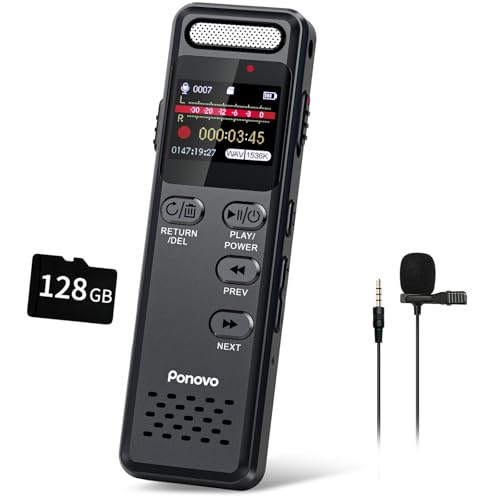
Ponovo’s 160GB model focuses on long-duration capture. It combines a large storage capacity (split across built-in and external memory) with a robust 1100 mAh battery for extended recording sessions—up to 100 hours on a full charge in typical settings. A color display and a compact profile aid quick navigation, making it suitable for students, journalists, and professionals who need to document lengthy lectures or events without frequent data management interruptions. Auto-save features help protect against accidental power loss.
Tonfarb 136GB Digital Voice Recorder

Tonfarb’s 136GB model targets high-quality capture with dual microphones that deliver 720° stereo sound. It employs a high-capacity memory system and a rechargeable battery designed for long stretches of recording—ideal for classrooms, seminars, or fieldwork. Noise reduction helps reduce ambient hiss and reverberation, while the device’s compact footprint supports discreet everyday use. The combination of PCM-quality recording and straightforward one-click controls fosters efficient, reliable data capture in dynamic environments.
EVISTR 64GB Digital Voice Recorder

EVISTR emphasizes ease of use with a compact metal chassis and a two-button design that supports quick starting and saving of recordings. It offers PCM stereo at up to 1536 kbps and supports playback in multiple formats, making it a practical option for students and professionals who value clear sound and a simple interface. Its combination of 64GB storage and a rechargeable battery provides a balanced solution for shorter conferences, field notes, and on-the-go interviews where simplicity matters.
EVIDA 128GB Digital Voice Recorder
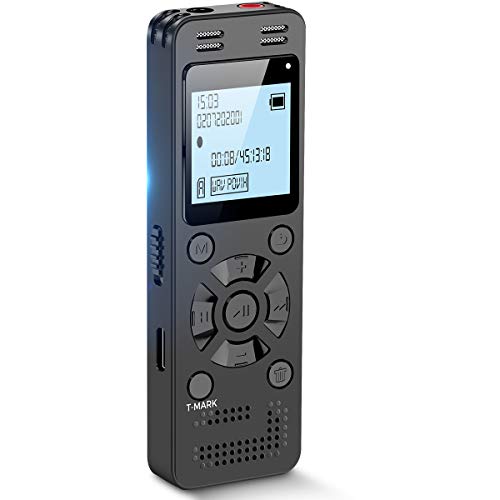
EVIDA presents a high-capacity 128GB recorder with clear PCM recording capabilities and playback features. It supports multiple formats, including WAV and MP3, and offers customizable presets for lectures, meetings, and conversations. The device is designed for reliability and long-term use, with a focus on clear capture in varied environments. A practical choice for researchers and professionals who need structured recordings with robust file management and compatibility with desktop setups.
Buying Guide: Key Purchase Considerations
- Storage capacity vs. battery life: Larger storage is beneficial for long sessions, but battery endurance matters for field use. Look for devices that balance both, such as those with 60+ hours of recording and 128GB–160GB storage options.
- Recording quality and noise reduction: PCM or high-bitrate MP3/WAV formats yield crisper sound. Dual microphones and DSP/NR algorithms help minimize background noise in busy environments.
- Ease of transfer: Built-in USB or USB-C connections streamline file transfer to PCs or laptops. Consider whether the device supports automatic file-saving or auto-export features.
- Portability and build: A compact, lightweight chassis enhances portability. Metal bodies often offer better durability for frequent handling and travel.
- Playback and file management: Look for clear playback options, password protection, and straightforward file organization to support quick note review and archiving.
- Special features: One-click recording, A-B repeat, external mic compatibility, and password protection add value depending on use case. Evaluate which features align with your typical workflow.
- Intended use case: For lectures, meetings, journalism, or fieldwork, choose a model with proven reliability for long sessions and easy data management.
Across these options, you’ll find models that prioritize longevity, storage capacity, and simple data management. For students and professionals who demand long recording sessions, devices with high-capacity storage and extended battery life are compelling. For quick interviews or field notes, compact designs with intuitive controls and fast transfer capabilities offer practical benefits. By weighing storage, battery life, noise handling, and transfer options, you can select the external audio recorder that best matches your routine and environment.