The best entry level headphones deliver clear sound, comfortable wear, and reliable comfort without breaking the bank. This guide highlights five affordable options that suit casual listeners, students, gamers, and travelers. Each option offers distinct strengths—sound quality, comfort, or versatility—so you can choose based on how you plan to use them. Read on to find the right fit for you, with practical buying tips and direct comparisons to help you decide quickly.
| Product | Best For | Prime Qualities |
|---|---|---|
| Faifxo Entry-Level Gaming Headphones | gamers who want 7.1 surround sound in-ear | HiFi sound, cross‑platform, wired |
| BUNNY Wired Gaming Earphones (3.5mm) | budget gamers and daily commuters | dual‑chamber drivers, light weight |
| FiiO JH13 Hybrid HiFi IEMs | entry‑level audiophiles | 1DD + 2BA, high sensitivity |
| BUNNY Wired Gaming Earphones (Type-C) | USB‑C devices and modern phones | dual‑chamber drivers, HiFi DAC |
| ZERO ULTIMA Wired Earphones (DMT4 Ultra) | immersive game sound on multiple devices | dual DACs, strong bass |
Faifxo Entry-Level Gaming Headphones

The Faifxo in-ear gaming headphones feature 7.1 surround sound for precise in-game audio cues, such as footsteps and reloading sounds. This model emphasizes clear voice chat with a non-removable noise-cancelling microphone and cross‑platform compatibility, including PC, PS5, Xbox, and Switch. Best for gamers who need accurate positional audio and simple plug‑in setup. A potential limitation is that in-ear form may be less comfortable for long sessions if you prefer over‑ear designs.
BUNNY Wired Gaming Earphones (3.5mm)

These BUNNY in-ear headphones use a dual‑chamber driver to reduce harmonic distortion and deliver clearer midrange and bass. Weighing about 3.5 grams per earbud, they offer a lightweight, comfortable fit for extended use. Tip potential buyers for smartphones, laptops, and Nintendo Switch users who want HiFi sound without bulk. Limitation: the 3.5mm model may require adapters for some newer devices with USB‑C only jacks.
FiiO JH13 Hybrid HiFi IEMs
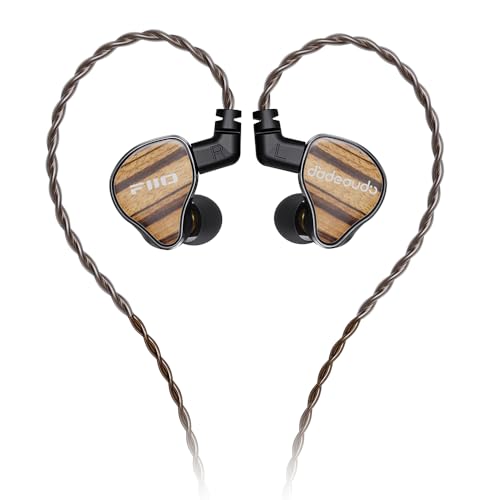
The FiiO JH13 uses a hybrid driver setup (10 mm dynamic plus two balanced armature drivers) for a rich, layered sound with strong bass and extended highs. Its dual magnetic circuit design improves sensitivity, enabling good volume and clarity from portable sources. Best for entry‑level audiophiles who want a more detailed sound. Choose this if you value precise instrument separation; a possible drawback is higher impedance for some devices or cables, which may require a small DAC for the loudest performance.
BUNNY Wired Gaming Earphones (Type-C)
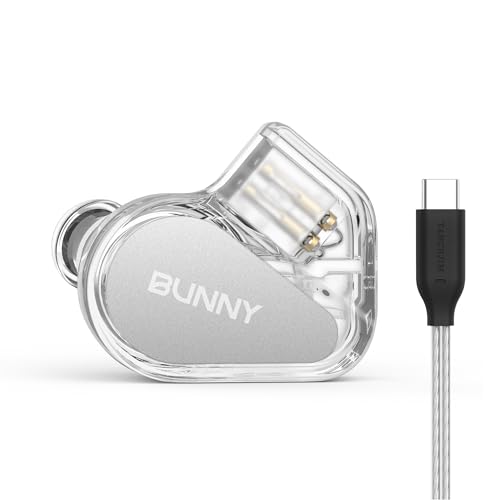
This Type-C version of BUNNY mirrors the dual‑chamber low‑distortion design, with HiFi DAC capability and a compact form factor. It suits newer Android devices and tablets that use USB‑C audio. Best for users seeking modern connectivity without adapters. Limitation: Type-C only devices provide limited compatibility with non‑USB‑C platforms without adapters.
ZERO ULTIMA Wired Earphone (DMT4 Ultra)

The ZERO ULTIMA DMT4 Ultra features a dual‑DAC setup and a high‑performance DAC/amp combination for detailed midrange and low frequencies. It emphasizes in‑game sound effects and voice clarity, making it a solid pick for gamers who want an immersive audio profile. Best for players who want strong bass and clear dialogue. Limitation: as a wired, USB‑C friendly option, ensure device compatibility before purchase.
Buying Guide: How To Pick The Right Entry Level Headphones
What’s your primary use? Choose a model that aligns with your main activity—gaming, music listening, or video calls. For gaming, prioritize low latency and clear voice pickup. If music is the focus, look for drivers that deliver balanced mids and solid bass without fatigue.
Key questions to consider
- Do you prefer wired or wireless, and does your device support your choice?
- Are lightweight earbuds comfortable enough for long sessions, or do you favor over‑ear designs?
- Is strong bass important, or do you want a neutral, detailed sound?
- How important is in‑line microphone quality for calls or team chat?
- Will you use these on multiple devices, so cross‑platform compatibility matters?
Buying Considerations And Comparisons
– Comfort and fit: In‑ear models tend to be lighter and portable; over‑ear designs may offer longer wear comfort.
– Sound signature: Entry level does not mean muffled. Look for clear highs and a well‑controlled bass.
– Connectivity: 3.5 mm jacks work broadly, while USB‑C and multi‑device support suit newer devices.
– Microphone quality: A non‑removable mic offers reliability for gaming calls; removable or inline mics can offer flexibility.
FAQ
- What is the difference between entry level and mid‑range headphones?
Answer: Entry level focuses on affordability and essential features, while mid‑range adds more refined drivers, better fit, and enhanced sound staging. - Are in‑ear headphones good for gaming?
Answer: Yes, especially when they offer low latency, clear dialogue, and accurate positional audio. - Do I need a DAC for these headphones to sound good?
Answer: Some models include built‑in DACs or amp stages; for basic use, a smartphone or PC may be sufficient, but DACs can improve detail and volume for hi‑fi focused products. - Can these work with a Nintendo Switch?
Answer: Many do, particularly wired 3.5 mm or USB‑C variants, but verify compatibility for your exact model and Switch version. - Which is best for long listening sessions?
Answer: Lightweight in‑ear options tend to be comfortable; however, over‑ear models with memory foam cushions can reduce fatigue for longer sessions. - Do entry level headphones offer good noise isolation?
Answer: In‑ear designs often provide better passive isolation; check if the model includes a well‑sealed ear tip design.