Starting underwater photography can be exciting and approachable with the right camera. This guide highlights beginner-friendly dive cameras and housings that streamline controls, offer reliable waterproofing, and deliver solid image quality for snorkeling and shallow dives. Each option below is chosen to balance ease of use with useful features like dual screens, autofocus, and adequate battery life, helping new divers document their aquatic adventures with confidence.
Summary of selected products
| Product | Brand | Notable Feature |
|---|---|---|
| 4K Underwater Camera 16FT Waterproof Camera | YISENCE | 4K UHD, 64MP, autofocus, 16FT waterproof |
| Underwater Digital Camera – MaxMango 10FT | MaxMango | Dual screen, 32GB, 10FT waterproof |
| Underwater Camera Dive 2.0 Case | ProShot | 130 ft waterproof housing for iPhone |
| Underwater Camera 4K 48MP Focusify | Focusify | 4K, 48MP, anti-shake |
| SeaLife SportDiver S Smartphone Housing | SeaLife | Waterproof to 100′, smartphone compatibility |
Note: All products are suitable for beginners and designed to simplify underwater capture. Specified water depths and features are based on manufacturer descriptions and typical consumer use cases. Always follow safety guidelines when diving with electronics.
Best 4K Underwater Camera For Beginners

The YISENCE 4K Underwater Camera is designed for snorkelers and new divers who want crisp 4K footage and 64MP photos. It includes a long-lasting 1250 mAh battery, enabling about 70 minutes of use at 16 feet underwater on a full charge. Autofocus helps beginners capture sharp memories with minimal effort, and the camera’s dual-screen interface supports confident framing and selfie-style underwater shots.
Best Dual-Screen Underwater Camera For Starters

The MaxMango underwater camera offers a practical dual-screen design with a front 2.8-inch and rear 1.4-inch display, making selfies and group shots straightforward. Rated for up to 10 feet underwater, it comes with a 32GB card included for ample storage. The front live preview helps users compose shots before submerging, while the rear screen ensures accurate framing in dynamic aquatic environments.
Best iPhone Underwater Housing For Beginners

ProShot Dive 2.0 is an underwater housing for iPhone rated to 130 feet. It supports GoPro-style mounts and includes a camera app to unlock underwater controls, letting users start and stop video, capture photos, and apply color correction. Note that touchscreen access is limited while sealed, so beginners should plan shots in advance and rely on the physical controls when possible.
Best 4K Underwater Point & Shoot For Beginners

The Focusify Underwater Camera delivers 4K footage and a 48MP sensor, aiming to balance resolution with compact form. It includes anti-shake technology to help stabilize footage in moving waters and a dual-screen setup to simplify selfies and quick framing. The 10FT/3M dive capability makes it suitable for surface snorkeling and shallow-depth exploration alike.
Best GoPro-Style Dive Lens Filters For Beginners
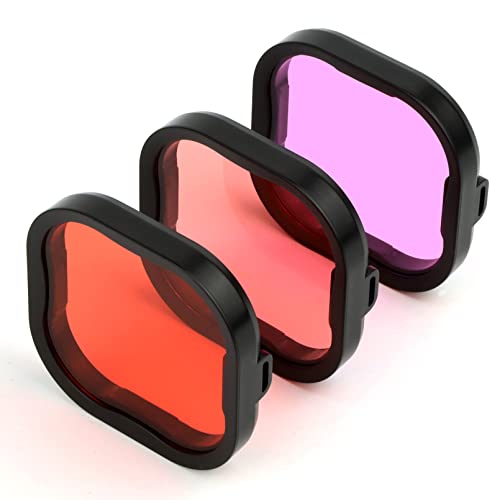
QiuNiu’s underwater dive lens filters offer professional color correction for GoPro Hero series, helping new divers achieve accurate blues and greens in different water conditions. The protective housing and filter set are designed to be beginner-friendly, enabling improved underwater photography without extensive post-processing or specialized gear.
Best Smartphone Dive Housing With Depth Rating

The SeaLife SportDiver S compact housing turns a modern smartphone into an underwater camera capable of depths up to 100 feet. It supports many iPhone and Android models, features leak alarms and anti-fog protection, and allows access to essential controls while underwater. It is a practical entry point for divers who already own a capable phone and want a simple underwater setup.
Buying Guide: Key Purchase Considerations And Comparisons
- Water depth and environment: Choose a model rated for the depths you plan to explore. For shallow snorkeling, a 10–16 foot (3–5 meter) rating with simple controls is ample; for deeper dives, consider housings or cameras designed for 100+ feet with robust seals.
- Ease of use: Dual-screen displays, autofocus, and straightforward one-button recording help beginners capture better footage with less effort. Consider whether you prefer a standalone camera or a housing for a smartphone.
- Image quality versus size: 4K video and high MP photos look impressive, but require good lighting. In darker water, consider models with efficient low-light performance or add lighting accessories separately.
- Storage and battery life: Check included memory cards and battery capacity. If you plan longer sessions, prioritize models with larger internal storage or expandable memory and longer battery life.
- Compatibility and accessories: For smartphone housings, verify compatibility with your device and whether additional features like external lights or color filters are available.
- Portability and durability: Beginners often travel; compact, floatable, and lightweight designs reduce handling challenges and minimize weight on dives.
- Maintenance and care: Rinse with fresh water after dives, inspect seals, and replace O-rings as needed. Proper drying and storage extend the device’s life.
- Budget and value: Balance upfront cost with expected use. A beginner-friendly setup often provides a good mix of durability, ease of use, and upgrade paths over time.
This selection aims to offer practical options for first-time divers seeking reliable underwater recording without overwhelming complexity. When choosing, align features with your planned activities—snorkeling, pool training, or casual diving—and consider whether you prefer a dedicated underwater camera or a phone-based solution with a protective housing.