Finding the right digital recorder for podcasting is about clear, studio-like sound, long battery life, and simple file management. This guide highlights five strong options, each chosen for practical podcasting needs such as narration clarity, interview capture, field reporting, and easy PC or Mac transfer. Below, you’ll see who each model is best for and why it stands out, plus a buying guide to help compare features like PCM quality, memory, and workflow.
Buyer-friendly summary of selected products:
- OM SYSTEM Olympus WS-882: Best for entry-level podcasters who want reliable PCM/MP3 recording with compact design.
- Tonfarb 136GB Version: Best for long sessions, lectures, or multi-hour interviews with strong noise reduction.
- Tonfarb 64GB Version: Best for portable on-the-go recording with quick one-click controls.
- Flyglory 160GB Version: Best for long-form projects, musicians, and content creators needing large storage and long battery life.
- Zoom H5: Best for multi-track podcasting and studio-like flexibility with interchangeable capsules.
OM SYSTEM Olympus WS-882 Digital Voice Recorder

Features include Linear PCM/MP3 recording formats, 4GB internal storage with USB direct transfer, and playback controls for speed and volume. The WS-882 is a compact option for solo podcasting, classroom notes, or on-site interviews where space is a concern. Best for beginners who want straightforward setup and dependable file handling without extra accessories. A potential limitation is its fixed memory, which may require frequent transfers for long sessions.
Best use case: solo podcasters or journalists needing a simple, reliable recorder with direct USB transfers and clear PCM/MP3 options. Why selected: it emphasizes essential recording formats and easy engagement with computer workflows, making it a low-friction choice for new creators.
Caution: Limited internal memory means you should plan regular offloads if recording long sessions. Consider using a larger-capacity model or an external card if available in your setup.
Tonfarb 136GB Digital Voice Recorder with Playback

This model offers PCM recording up to 1536 kbps, automatic noise reduction, and a very large combined memory (8GB built-in plus a 128GB TF card, plus 136GB capabilities overall). It touts long battery life with an 1100mAh rechargeable pack and a one-click start-and-save workflow. Best for students, journalists, and researchers who need long sessions, strong noise suppression, and easy transfer via USB-C. A potential limitation is the reliance on a single-button workflow, which may feel limited for more complex recording setups.
Best for: long-form lectures, multi-hour interviews, and field reporting where clarity and transfer speed matter. Why selected: the combination of high PCM quality, ample storage, and USB-C transfer supports extended production without frequent file management breaks.
Caution: Ensure you have compatible USB-C cables and computer drivers for quick file management on different systems.
Tonfarb 64GB Digital Voice Recorder

Key features include one-click recording and saving, 64GB internal storage, and a 600mAh battery offering up to 48 hours of use. It supports WAV/PCM recording with automatic noise reduction, making it suitable for interviews, lectures, and on-the-go note-taking. Best for: podcasters who want fast operation and a lightweight device for daily capture. Why selected: the quick-start feature reduces missed moments, and the 64GB capacity is ample for typical podcast sessions without frequent offloads.
Caution: The device’s battery life depends on recording format and volume; plan charging around longer recording days to avoid interruptions.
Flyglory 160GB Digital Voice Recorder
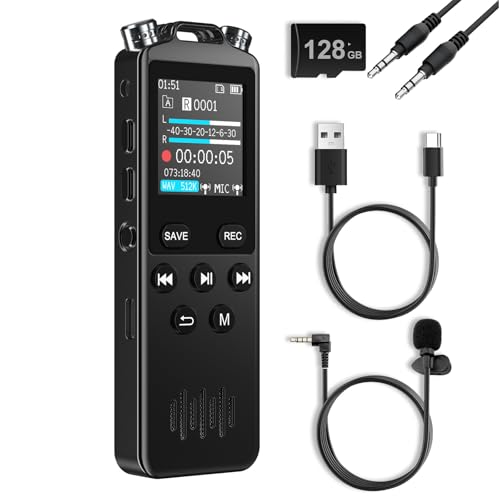
Designed for musicians, podcasters, and content creators, this device offers 1536Kbps HD stereo recording with dual mics, a 160GB storage tier, and a long battery life (68+ hours). It supports USB data transfer and multi-purpose use—from meetings to field recordings. Best for: content creators who need long session capacity and rich stereo capture. Why selected: the large storage paired with dual-mic setup suits extended projects and detailed audio works. A limitation to note: the interface emphasis is on efficiency rather than advanced studio features.
Caution: Higher bitrates can consume more storage; manage recordings with careful file naming and organization to maximize space.
Zoom H5 4-Track Portable Recorder
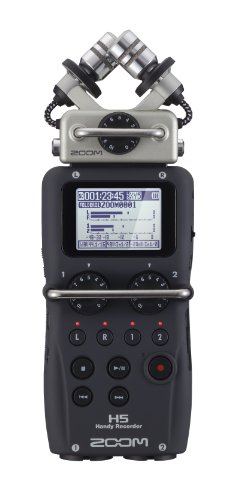
Zoom H5 stands out for multi-track recording and versatility with interchangeable input capsules (including the XYH-5). It supports four-track simultaneous recording and can function as a USB audio interface. Best for: podcasters who want studio-like flexibility and expandability, or those who need to record multiple mic sources in one session. Why selected: the ability to mix tracks and use external mics makes it a strong choice for interview-heavy formats or music podcasts. A caution: the learning curve is higher than basic recorders, so new users may need some setup time.
Best for: creators planning complex podcast formats, live-recorded sessions, or hybrid video-audio projects when you need multiple input channels. Why selected: expandable inputs and USB interface capability create a scalable workflow that supports professional-sounding podcasts.
Sony ICD-UX570 Digital Voice Recorder

Sony’s ICD-UX570 offers enhanced sound with a built-in stereo mic and voice-activated recording, plus a slim design for pocket-friendly portability. It provides USB direct transfer for quick file management and is suitable for desktop podcasting as a back-up device or for field recording. Best for: on-the-go podcasters who value portability and straightforward operation. Why selected: reliable Sony firmware with VOX mode helps capture spoken content clearly in variable environments. Caution: while compact, its mic array may be less robust in very noisy settings compared to higher-end multi-mic rigs.
Buying Guide: Key considerations for choosing a podcasting recorder
What recording format do you need?
PCM/WAV offers higher fidelity for editing, while MP3 saves space. For voice-focused podcasts, high-bitrate PCM can improve clarity in post-production.
How much storage is required?
Estimate per-hour storage by bitrate and format. Long interviews or multi-episode archives benefit from large memory or expandable cards.
Is portability important?
Compact recorders are ideal for field work and quick notes. If you record in a studio, a larger device with multiple inputs may be preferable.
Do you need multiple mics or a built-in mic?
Interviews with two participants benefit from devices with dual mics or external mics. A USB audio interface-capable model adds future expandability.
What about battery life and charging?
Long sessions require long battery life and efficient power management. USB-C or removable batteries provide flexible recharging options.
Ease of transfer and workflow
Consider how easily files can be moved to a computer or cloud storage. USB direct transfer and compatibility with major OS platforms simplify post-production.
FAQ
-
What is the best recorder for new podcasters?
Look for a device with simple controls, clear audio formats, and straightforward USB transfer. The OM SYSTEM WS-882 and Sony ICD-UX570 are solid entry-level choices with dependable performance.
-
Can I record multiple speakers with one device?
Yes, models like the Zoom H5 support multiple inputs and can function as an interface, making them suitable for panel discussions and interviews with on-site guests.
-
Is high bit rate essential for podcasts?
For editing flexibility and clarity in post-production, higher bit rates (PCM/WAV) are beneficial. MP3 is fine for distribution, but PCM can provide better editing headroom.
-
How long do recorders last on a single charge?
Battery life varies with format and usage. Devices like Flyglory and Tonfarb models emphasize long endurance suitable for extended sessions; always plan charging around anticipated recording time.
Summary table of notable features (quick reference):
| Model | Best For | Key Benefit | Notes |
|---|---|---|---|
| OM SYSTEM WS-882 | Entry-level solo podcasts | PCM/MP3 formats, USB direct transfer | Compact; limited memory |
| Tonfarb 136GB | Long sessions & fieldwork | 1536 kbps PCM, 136GB total, USB-C | Strong noise reduction |
| Tonfarb 64GB | Portable interviews & lectures | One-click recording, 64GB, long battery | Efficient controls |
| Flyglory 160GB | Long-form content & music podcasts | 1536Kbps HD stereo, dual mics, 68h | Large storage |
| Zoom H5 | Multi-track & studio-like flexibility | Interchangeable capsules, 4 tracks | Higher learning curve |
| Sony ICD-UX570 | On-the-go podcasters | Built-in mic, VOX, USB transfer | Compact; basic features |