Answer: A digital pen tablet is a great choice for artists, students, and professionals who want precise drawing, note-taking, and design capabilities without a full display tablet. The top picks below offer battery-free or ultra-light styluses, customizable shortcuts, and compatibility with Windows, macOS, Android, and Chrome OS. Read on to see who each model suits best and why.
| Product | Best For | Key Strength | Notes |
|---|---|---|---|
| Wacom Intuos Small Graphics Drawing Tablet | Beginner to intermediate artists; students on a budget | Industry-leading pen technology; paper-like feel | Compatible with Chromebook, Mac, Android, Windows |
| HUION Inspiroy H640P | Freelancers and educators needing compact setup | 8192 pressure levels; battery-free stylus; hot keys | Very portable; suitable for on-the-go use |
| XP-PEN StarG640 | Online teachers and students; light travel | Battery-free pen; compact 6×4 inch area | Solid value with compatibility across platforms |
| XP-Pen Deco 01 V3 (10×6 inch) | Aspiring digital artists and beginners | 16,384 pressure levels; battery-free stylus; 8 hotkeys | Android compatibility; good for flexible setups |
| Ophayapen Smart Sync Pen (Note: not a tablet, included for context) | Note-taking on paper-to-digital flow | Real-time sync and OCR | Not a drawing tablet; used with notebooks |
Wacom Intuos Small Graphic Tablet
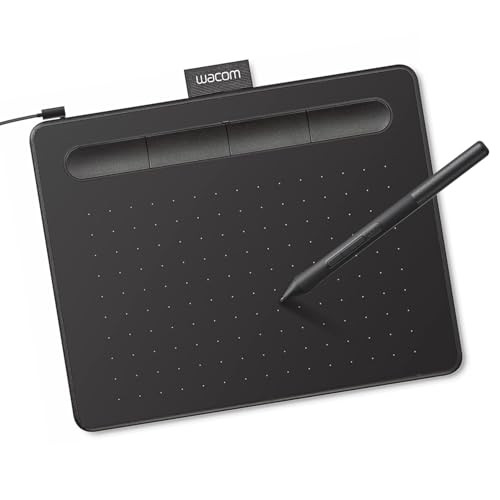
The Wacom Intuos Small is designed for precision and a natural drawing feel, using EMR technology that mimics pen-on-paper. It works with all major software, making it suitable for drawing, photo editing, and document markup. Best for students and professionals who want reliable, industry-standard input without a display. The included customizable ExpressKeys help streamline workflow across apps. A potential limitation is its smaller active area, which may be less comfortable for large strokes during long sessions.
HUION Inspiroy H640P Drawing Tablet

The H640P emphasizes portability with a compact 6×4 inch active area and a lightweight build. The 8192 pressure levels and battery-free stylus enable precise, natural drawing and writing experiences. Six customizable keys let you tailor shortcuts to your workflow, helpful for students, designers, and educators. Choose this if you need a small, affordable, plug-and-play tablet for on-the-go use; avoid if you require a larger drawing surface for detailed work.
XP-PEN StarG640 Drawing Tablet
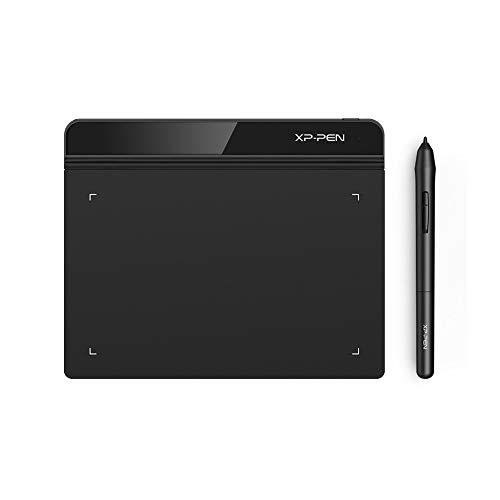
The StarG640 uses a battery-free PN01 stylus with 8192 pressure levels to deliver smooth lines. Its 6×4 inch workspace makes it a practical option for note-taking, sketching, and online teaching. It supports Mac, Windows, and Chromebooks, making it versatile for remote work or classroom use. Best for learners and remote students who need a compact device; consider a larger panel if you prefer expansive drawing surfaces.
XP-Pen Deco 01 V3 Drawing Tablet

The Deco 01 V3 features 16,384 pressure levels with a battery-free stylus and an 8-key shortcut layout. It’s designed for beginners and students who want ergonomic shortcuts and accurate shading. It is especially suitable for Android users due to its compatible mapping options. Choose this if you want a balance of a mid-sized drawing area and strong pressure sensitivity; note that Android compatibility may vary by device and app.
Buying Guide
What should I consider when choosing a digital pen tablet?
Active area size is crucial. Bigger tablets provide more room for detail but take up more desk space. Start with 6×4 inch or 8×5 inch for portability, and move up to 10×6 inches if you do a lot of painting or detailed work. Stylus technology matters; battery-free pens reduce maintenance but ensure the driver supports your software. Look for adjustable shortcuts to speed up your workflow and compatibility across your devices (Windows, macOS, Android, Chrome OS).
How important are pressure levels and tilt support?
Higher pressure levels (e.g., 8192) enable finer control over line weight and shading. Tilt sensitivity adds natural variation for certain brushes and strokes. If you plan to do detailed illustration or digital painting, prioritize models with high pressure and tilt support. For note-taking or simple sketches, standard 2048–4096 levels can suffice.
What about compatibility and software?
Most tablets work with common software like Photoshop, Illustrator, Clip Studio Paint, and digital notebooks. Ensure you can drive the tablet on your preferred OS and that the driver software allows for mapping across multiple apps. If you use Android or Chromebook devices, verify Android app compatibility or Chrome OS support for seamless use.
Are battery-free styluses better?
Battery-free styluses reduce the need for charging and are convenient for long sessions. They rely on electromagnetic resonance for input. However, ensure the included stylus pen is comfortable for your grip and offers the right pressure sensitivity. Some users prefer pens that support palm rejection and tilt; check for these features if you draw with a lot of hand contact on the tablet.
What is the best choice for students?
A compact tablet with a good balance of price, portability, and performance is ideal for students. The Wacom Intuos Small offers reliability and broad software support, while the HUION H640P and XP-Pen StarG640 provide affordable, portable options. If you need a larger drawing area for projects, consider the Deco 01 V3 or H1060P for more room to work.
FAQ
- Q: Do these tablets require a charger for the stylus? A: Most include a battery-free stylus, which does not require charging.
- Q: Can I use these tablets with Chromebooks? A: Some models are compatible with Chrome OS, but check specific product details and driver support.
- Q: Is a larger tablet better for beginners? A: Not necessarily; a larger tablet can improve drawing comfort, but portability and desk space may be considerations for beginners who are learning on the go.
- Q: Do these tablets come with software? A: Some models include software or training resources; verify current offers with the seller.
- Q: Can I connect multiple devices to the same tablet? A: Many tablets support cross-device use, but you may need to reconfigure drivers when switching between OSes.
- Q: Which tablet is best for right- and left-handed users? A: Most tablets provide driver-based shortcut customization and a symmetric layout; choose one with flexible key placement to suit your preference.