Looking for a reliable digital interface for recording, streaming, or podcasting? This guide highlights five versatile USB audio interfaces that suit different creators. Best for home studios, solo musicians, podcasters, and streamers, these options balance input variety, latency management, and ease of use. Each pick is evaluated for who benefits most and why, with practical notes on limitations when applicable.
Summary of selected products:
| Product | Best For | Key Benefit |
|---|---|---|
| M-AUDIO M-Track Solo | Singers, podcasters, small setups | Combo XLR/Line input with phantom power; zero-latency monitoring |
| Focusrite Scarlett Solo 4th Gen | Vocalists and guitarists seeking studio-grade feel | High dynamic range; Air mode for presence |
| M-AUDIO M-Track Duo | Two-person podcasts or duet recordings | Two combo inputs; flexible monitoring |
| Synido USB C Audio Interface | Flexible monitoring modes and straightforward setup | Three monitoring modes; clear LED level indicators |
| Focusrite Scarlett 2i2 4th Gen | Songwriting, streaming, multi-purpose recording | Auto Gain and Clip Safe features for easier takes |
M-AUDIO M-Track Solo USB Audio Interface
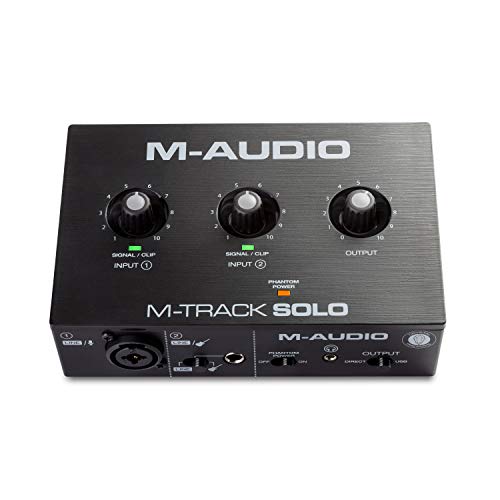
The M-Track Solo provides a compact, all-in-one solution for recording and streaming. It features a combined XLR/Line input with phantom power, plus a separate Line/Instrument input. A 1/8″ headphone output and stereo RCA outputs enable flexible monitoring. A USB/Direct switch supports zero-latency monitoring, making it a solid pick for single-artist setups—ideal for podcasting, vocal work, and guitar or instrument recording.
Who it’s best for: solo performers, podcasters, and creators who want a simple, portable interface with reliable monitoring. Why chosen: its streamlined two-input design covers essential recording needs without extra complexity.
Caution: The Solo’s two inputs may limit multi-mic recordings or bigger ensembles without additional gear.
Focusrite Scarlett Solo 4th Gen USB Audio Interface

Scarlett Solo 4th Gen is designed for vocalists and guitarists who want studio-quality sound in a compact setup. It delivers a broad dynamic range (around 120 dB) and uses high-quality converters found in flagship Focusrite interfaces. The Air mode helps vocals and guitars sit in the mix with added presence, making it a strong choice for personal studios and streaming.
Who it’s best for: singers, guitar players, and producers who value preamp clarity and a classic Focusrite sound. Why chosen: best for achieving a polished, studio-like vocal or guitar tone with minimal setup.
Caution: Limited to two inputs, which may not accommodate larger recording sessions without extra gear.
M-AUDIO M-Track Duo USB Audio Interface

The M-Track Duo adds a second mic/line input pair, enabling two performers to record or stream together. It preserves the same 48kHz audio resolution as the Solo and includes two combo XLR/Line/Instrument inputs, with separate monitoring controls. USB/Direct switching supports low-latency monitoring for real-time performance tracking.
Who it’s best for: small duo projects, duet podcasts, or stereo vocal tracking. Why chosen: best for collaborating without compromising monitoring ease.
Caution: These inputs are still limited to two channels at a time, so complex multi-instrument sessions may require an expansion or alternative setup.
Synido USB C Audio Interface

Synido offers a flexible 2×2 USB-C audio interface with three monitoring modes, designed to switch quickly between stereo original input, mixed computer audio, or computer-only monitoring. It emphasizes intuitive controls and clear LED indicators for volume status, aiming to reduce distortion and streamline workflows in recording, streaming, or podcasting contexts.
Who it’s best for: creators who need adjustable monitoring modes and clear visual feedback. Why chosen: the three-monitoring modes provide versatility for live broadcasts and post-production alike.
Caution: The build and features emphasize ease of use over high-end preamps; expect solid but not flagship-grade audio depth in very demanding scenarios.
Focusrite Scarlett 2i2 4th Gen USB Audio Interface
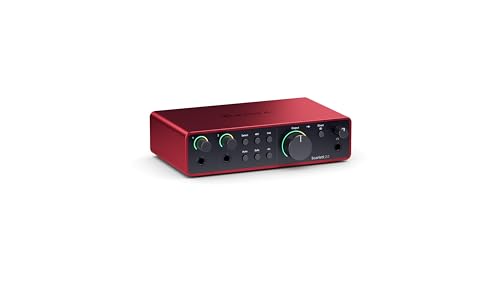
The Scarlett 2i2 4th Gen provides two combo inputs, high headroom, and strong monitoring tools. It features Auto Gain to set appropriate levels and Clip Safe technology to protect against distortion. This interface suits solo musicians and streamers who want reliable, easy setup with room to grow into more complex projects.
Who it’s best for: songwriters, streamers, and hobbyists pursuing clear, reliable recordings. Why chosen: balanced performance with smart features that help prevent common recording issues.
Caution: Like other two-input models, expansion for more channels would require additional gear for larger sessions.
Buying Guide
What should I consider when choosing an audio interface?
Input count and type: Do you need one or two mic/line inputs? Consider whether you require XLR, instrument inputs, or Hi-Z for guitar. Some models add phantom power for condenser mics.
Audio quality and latency: Look for 24-bit/48 kHz or higher and a low-latency monitoring path. Interfaces with dedicated monitoring controls help reduce lip-sync issues during live streaming.
Dynamic range and preamps: Higher dynamic range and clean preamps translate to quieter noise floors and better vocal and instrument capture.
Software bundle and compatibility: Some interfaces ship with companion software and are optimized for Mac, Windows, or both. Check driver support and DAW compatibility.
Portability vs. expandability: If you travel or perform live, a compact unit is advantageous. If you plan multi-mic sessions, consider models with more inputs or the ability to expand via external gear.
What setup tips improve recording quality?
- Use proper mic placement and simple acoustic treatment for the best results.
- Configure your DAW with appropriate sample rate and bit depth settings for your project goals.
- Enable latency-free monitoring when needed and adjust gain to avoid clipping.
- Organize your workflow with a clear signal path from microphone to interface to computer.
FAQs
- What is a digital interface for recording best for beginners?
Interfaces like the M-Track Solo or Scarlett Solo offer straightforward setup, clear monitoring, and essential inputs for one or two performers, making them ideal starting points.
- Do I need phantom power?
Phantom power is required for condenser microphones. If you use dynamic mics only, phantom power is not necessary.
- Is latency a problem with USB interfaces?
Low-latency monitoring and proper driver use typically minimize latency. Look for a USB/Direct switch or dedicated monitoring features.
- Can I connect keyboard input to these interfaces?
Yes, most interfaces support line inputs or instrument inputs that can accommodate keyboards or guitars, though the exact connectors vary by model.
- What if I need more than two inputs?
Consider multi-channel interfaces or add-ons like mixer-style solutions or a second interface to expand your input count.
- Are there differences between 2i2 and 2i4 models?
2i2 typically has two inputs; 2i4 may offer more input options or better preamps depending on the generation. Check current specs for each model.