Finding the right dental x-ray sensor depends on your workflow, patient comfort, and imaging needs. This guide highlights five top options that balance image quality, ease of use, and compatibility with common digital dentistry setups. Ideal buyers include: general dentists seeking reliable one-handed positioning, endodontists needing precise bite-wing imaging, veterinary practices requiring compact sensors, and clinics prioritizing infection control with protective sleeves and holders. Below, compare each sensor’s strengths, ideal use cases, and practical limitations to help you choose confidently.
Summary of chosen products
| Product | Best For | Key Benefit | Limitations |
|---|---|---|---|
| SKATTOOTH 1.5 (25x30mm) | General dentistry, quick diagnoses | One-handed operation; instant imaging | May require compatible software setup |
| SKATTOOTH 0.8 (21x21mm) | Small mouths, pediatric or veterinary cases | Compact size; fast acquisition | Smaller area may require careful positioning |
| Woodpecker ISENSOR-H1 | Comfort-focused patients; high detail | Thin 4.4 mm sensor; high resolution | Durability depends on handling; no on-device software listed |
| JMU Protective Covers #2 | Infection control; high-volume clinics | Disposable sleeves; keeps sensor clean | Single-use; ongoing supply needed |
| Ceonam 3 PCS Positioner Set | Digital sensor alignment; consistent imaging | Color-coded, durable holders; easier positioning | Not for traditional film; space considerations for bigger setups |
SKATTOOTH 1.5 Intraoral X-Ray Sensor

Best for fast, reliable imaging in everyday dental practice. The 1.5 (25×30 mm) sensor emphasizes simple positioning and one-handed operation. Its USB 2.0 connection promises quick image capture, with an emphasis on reducing cross-infection risk by freeing fingers from the mouth.
- Why choose this: Simple positioning, instant imaging, and user-friendly software support.
- Best for: General dentists who need fast, repeatable X-ray captures during routine visits.
- Caution: Ensure the software is installed with minimal IP configuration to avoid setup delays.
SKATTOOTH 0.8 Intraoral X-Ray Sensor
Best for compact imaging in small mouths, pediatric patients, or veterinary cases where space is limited. The 0.8 (21×21 mm) size supports precise placement with minimal intrusion, enabling quick diagnosis while maintaining patient comfort.
- Why choose this: Smaller footprint helps in tight oral environments.
- Best for: Pediatric dentistry or animal dentistry where access is restricted.
- Caution: Smaller sensors can require meticulous positioning to avoid edge artifacts.
Woodpecker ISENSOR-H1 DTE Digital X-Ray Sensor
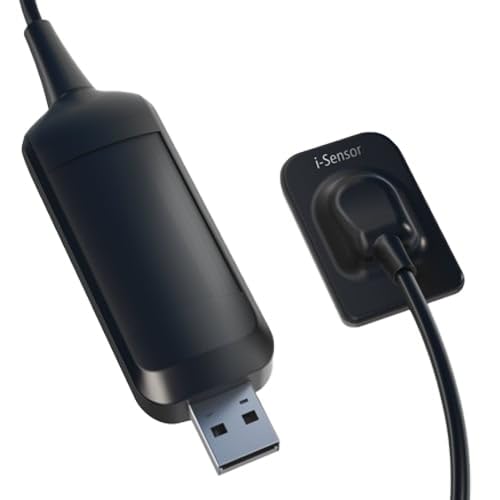
Best for patient comfort and detailed imaging. The sensor is very thin at 4.4 mm, designed to minimize gag reflex and enhance patient comfort. The i-Sensor model aims for high image clarity, with a theoretical resolution of 25 lp/mm for precise diagnostics.
- Why choose this: Emphasizes comfort and high-resolution imaging.
- Best for: Practices prioritizing patient experience without sacrificing image detail.
- Caution: Durability depends on handling; the listing notes provide expected long-term use through careful use.
JMU Protective Covers #2 For X-Ray Sensors

Best for infection control in high-volume clinics. These disposable protective sleeves keep sensors clean between patients, contributing to safer workflows.
- Why choose this: Disposable protection reduces cross-contamination concerns.
- Best for: Clinics needing fast turnover and hygienic sensor handling.
- Caution: Ongoing supply management is required to maintain stock levels.
Ceonam 3 PCS Sensor Positioner Set

Best for improved accuracy and consistent imaging. The color-coded holders simplify alignment for digital sensors, supporting reliable, repeatable X-ray results. These are designed specifically for digital sensors, not traditional film.
- Why choose this: Color-coded positioning reduces guesswork during imaging.
- Best for: Practices that value repeatable imaging and streamlined setup.
- Caution: Not compatible with traditional film; verify sensor size and space requirements before use.
Buying Guide
What to consider when choosing a dental x-ray sensor
- Sensor size and anatomy: Larger sensors cover more area but can hinder access in small mouths. Smaller sensors suit pediatric and veterinary cases but may require precise positioning.
- Image resolution and dynamic range: Higher lp/mm resolution improves detail for diagnosing caries, fractures, and root morphology. Consider whether the software supports high-contrast imaging.
- Infection control: Disposable protective sleeves and easy-to-clean surfaces reduce cross-contamination risks. Assess the availability and cost of sleeves for your clinic schedule.
- Ease of use: One-handed positioning, fast image capture, and straightforward software installation shorten chair time and improve patient comfort.
- Durability and handling: Thin sensors are comfortable but may be more prone to bending or wear with heavy use. Look for robust housings and protective barriers.
- Compatibility: Ensure USB connectivity and software compatibility with your existing practice management and imaging software.
- Positioning aids: Color-coded or dedicated positioners can reduce retakes and improve consistency across clinicians and assistants.
Frequently Asked Questions
- What sensor size is best for general dentistry?
– A mid-sized sensor (like 25×30 mm) balances coverage and ease of use for most adults, with smaller options available for pediatric or limited-access cases. - Are disposable sensor sleeves necessary?
– They help maintain hygiene, especially in high-volume practices, but assess cost and inventory as part of your infection-control protocol. - Can different brands be mixed with existing software?
– Compatibility depends on the software’s supported input formats and drivers. Verify with your software provider before purchase. - What is the benefit of a thin sensor like the Woodpecker ISENSOR-H1?
– A thinner sensor improves patient comfort and reduces gag reflex, potentially increasing cooperation during imaging. - Do sensor positioners affect image quality?
– Yes, proper positioning reduces retakes and improves diagnostic confidence. Color-coded positioners help standardize placement. - Is a larger sensor better for all cases?
– Not necessarily. Larger sensors cover more anatomy but may be harder to place in small mouths; choose based on typical patient demographics.