De-reverb plugins are essential tools for restoring clarity to recordings tainted by room reflections. This article highlights five relevant products that help reduce reverberation, offering a range of desktop controllers, guitar-oriented units, and practical DIY circuit components. The selections cover professional reverb management, portable practice devices, and budget-friendly circuit modules to help you decide which option best fits your workflow and budget.
| Product | Brand | Type | Key Benefit |
|---|---|---|---|
| TC Electronic TC8210-DT Classic Mixing Reverb Plug-in | TC Electronic | Desktop plug-in + hardware controller | Hands-on control with a broad reverb palette |
| MOD 8EB2C1B Reverb Tank | MOD Reverb Tanks | Spring reverb tank | Classic spring tone with solid build |
| SONICAKE Guitar Headphone Amp Mini | SONICAKE | Portable amp with built-in reverb | Silent practice with reverb-augmented tones |
| SONICAKE Guitar Headphone Amp Plug-in USB | SONICAKE | USB-powered multi-effects with reverb | Compact, multi-effect guitar solution |
| PT2399 DIP16 Reverb Modules | ZSLSDRHD / IPDBLBYL | Direct plug-in digital reverb circuit | Budget DIY reverb circuit options |
TC Electronic TC8210-DT Classic Mixing Reverb Plug-in

The TC8210-DT combines a desktop controller with a classic TC reverb engine, designed to integrate smoothly into a DAW workflow. Its dedicated hardware interface offers hands-on control over a diverse set of reverb algorithms, enabling quick sound shaping without excessive menu diving. This setup is ideal for vocalists, instrumentalists, and engineers seeking expressive, tactile control over reverb textures while maintaining tight integration with a digital work environment. The plugin emphasizes a wide variety of reverb types, making it suitable for everything from intimate vocal takes to expansive drum rooms. Users can craft signature spaces with precision and responsiveness, then translate those settings directly into project-ready sessions.
MOD 8EB2C1B Reverb Tank

The MOD 8EB2C1B Reverb Tank is a traditional spring reverb unit designed to replace older 8EB2B-type tanks. Built for durability, it provides a compact, sturdy chassis with a short three-spring configuration. While it evokes classic spring sounds, its construction supports reliable performance in live rigs or studio setups. Users seeking a vintage‑tinged space with a tactile, resonant tail will appreciate the straightforward nature of this reverb tank. It’s well suited for guitar amps and compatible gear where a compact, retro ambience is desired without complex routing or software control.
SONICAKE Guitar Headphone Amp Mini
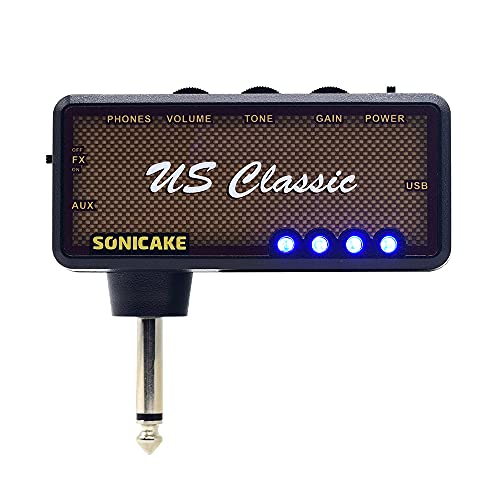
This compact guitar headphone amplifier is designed for silent practice, combining a built-in reverb with classic amp voicings. Its desktop-friendly footprint makes it convenient for bedrooms, dorm rooms, or small studios where space is at a premium. The built-in reverb adds spatial depth to dry guitar tones, enabling players to sculpt ambience without a full amp setup. While not a traditional plug‑in, it offers an accessible option for guitarists seeking portable, low-noise practice gear with reverb flavor.
SONICAKE Guitar Headphone Amp Plug-in USB

This USB-powered, pocket-sized guitar multi-effects unit includes six amp modules with clean, overdrive, and distortion, plus cab sim. It integrates modulation, delay, and reverb effects, expanding the sonic palette beyond simple amp emulation. The device is designed for portability and quiet practice, offering a comprehensive onboard effects chain that can augment playing style with spatial reverb and other ambience effects. It is particularly appealing to players who want flexible tonal shaping without relying on a computer or traditional pedal setup.
10PCS PT2399 DIP16 Direct Plug-in Digital Reverb Circuit

The PT2399-based modules offer a budget-friendly option for DIY enthusiasts seeking a digital reverb effect. As direct plug-in circuits, these components enable custom hardware projects or enhancements to existing audio devices. While they require assembly and debugging, they provide a practical path for hobbyists to implement reverb processing in hardware form. This solution is best for users comfortable with electronics assembly who want to experiment with different room simulations or tail characteristics at low cost.
Guitar Headphone Amplifier With Reverb (Jwthee)

This portable guitar amplifier focuses on practice and performance in small spaces, featuring built-in overdrive and reverb effects. Its slim, rechargeable design makes it suitable for on-the-go musicians who want a compact practice solution with ambient depth. While not a full DAW effect, the integrated reverb adds dimension to direct guitar sounds, offering a convenient tool for silent rehearsals and quick tone shaping without a computer.
IPDBLBYL 10PCS PT2399 DIP16 Reverb Circuits
Similar to the other PT2399 modules, these IPDBLBYL reverb circuits provide a cost-effective way to implement digital reverberation in hardware. Suitable for DIY projects, they allow hobbyists to experiment with reverb parameters and tail behaviors. These kits are best for hands-on learners who want to understand how reverb works at the circuit level and enjoy building custom audio gear from scratch.
Buying Guide: Key Purchase Considerations
- Sound goals: Match the reverb style to your music. For vocal treatments and tight drum rooms, prioritize algorithms with smooth early reflections and controllable decay. For guitar tones, consider spring or plate emulation with respond-like tails or warm non-linearities.
- Hardware vs. software: Decide between DAW-integrated plugins with tactile controllers and standalone hardware solutions. Desktop control offers immediate hands-on tweaks, while hardware units can reduce screen time and latency concerns in live settings.
- Ease of use: Evaluate how quickly you can dial in your desired space. Some products emphasize preset-driven workflows; others favor deep parameter access for precise sculpting of room size, decay, diffusion, and pre-delay.
- Portability and space: For bedroom studios or travel rigs, compact guitar amps or portable reverb modules can be advantageous. Larger desktop units may fit stationary studio desks better but take up more space.
- Maintenance and compatibility: Check compatibility with your DAW, OS, and power requirements. DIY kits require soldering and electronics work, while plug-ins demand licensing and system resources.
- Price-to-value balance: Consider whether a single-purpose module or a versatile multi-effect device best meets your needs. High-end hardware often offers richer tactile control, whereas affordable modules allow experimentation and learning.
- Future-proofing: If you anticipate evolving projects, look for products with expandable presets, update paths, and broad compatibility to avoid frequent replacements.