Polyphonic synths pack multiple voices into a single instrument, letting you play chords and complex textures without switching instruments. This guide highlights affordable polyphonic options across desktop modules, pedals, and compact keyboards, focusing on value, versatility, and performance features. Each entry links to an Amazon listing for quick reference, while the Buying Guide below helps you compare capabilities, compatibility, and workflow considerations for different setups.
| Product | Brand | Type |
|---|---|---|
| Polyend Synth Multi-engine Polyphonic Synthesizer | Polyend | Desktop/Polyphonic |
| BOSS SY-200 Synthesizer Effects Pedal | BOSS | Stompbox/Synth Pedal |
| Erica Synths Steampipe Polyphonic Modeling Synthesizer | Erica Synths | Modeling Synth Module |
| Arturia Minifreak 37-Key Algorithmic Synthesizer | Audiosavings (Arturia) | Keyboard Synth |
| MOOER E7 Polyphonic Guitar Synth Pedal | MOOER | Guitar Synth Pedal |
The following sections explore each product’s strengths, supported by the features listed in their Amazon entries. Each section stays focused on practical use, connectivity, and sound shaping options to help you decide which model best fits your workflow and budget.
Polyend Synth Multi-Engine Polyphonic Desktop Synthesizer
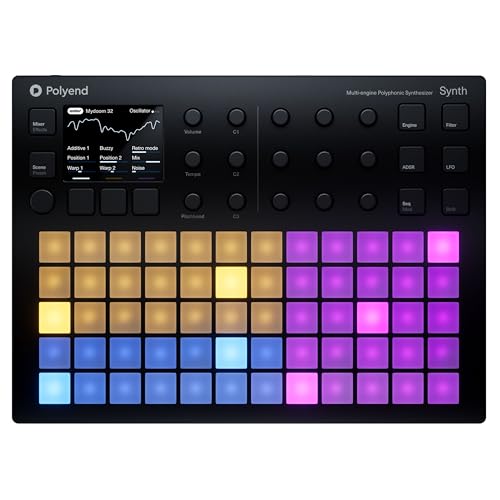
The Polyend Synth is a dedicated polyphonic desktop instrument designed for live performance and studio work. It offers 8 voices for polyphony, a large set of performance controls, and a user-friendly layout optimized for hands-on tweaking. With features like 60 RGB-backlit performance pads, 9 customizable combo knobs, and polyphonic aftertouch, players can sculpt timbres and perform expressive chords with precision. The build focuses on stability and tactile control, making it a compelling choice for keyboardists, sound designers, and live rigs seeking a compact, feature-rich engine.
BOSS SY-200 Synthesizer Effects Pedal
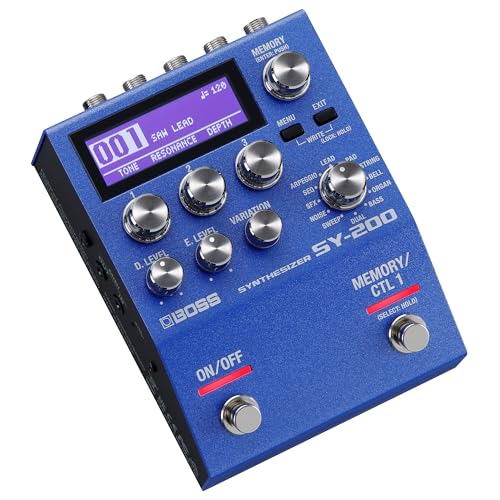
The BOSS SY-200 consolidates a broad polyphonic guitar/bass synth palette into a compact 200-series footprint. It provides a wide range of analog-inspired polyphonic tones, expanded sound sets, and deep sound-shaping capabilities. With 128 memories for saving user creation, onboard and external control options—including MIDI and expression pedals—this unit suits performers seeking versatile live tones and quick preset recall. Its intuitive interface emphasizes immediate access to expressive sound design while remaining workflow-friendly for gigging players.
Erica Synths Steampipe Polyphonic Modeling Synthesizer

Erica Synths Steampipe is a polyphonic modeling synth module that emphasizes physical modeling to generate rich, organic timbres. It supports MIDI In/Thru/Out and carries a capable parameter set across 32 controls, enabling nuanced contouring and nuanced modulation. This option is well-suited for players who want a compact, studio-friendly hardware voice with a distinct modeling approach, offering expressive dynamic response and a unique approach to polyphonic sound design within a modular or desktop setup.
Arturia Minifreak 37-Key Algorithmic Synthesizer
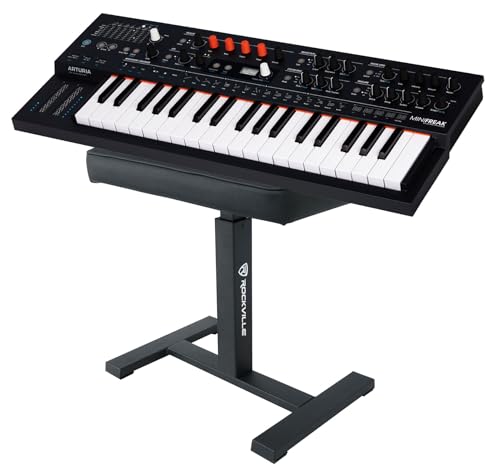
Arturia Minifreak is a compact, 37-key keyboard polyphonic synth with algorithmic synthesis and a versatile engine. The 6-voice polyphony, velocity-sensitive Slim-key action with aftertouch, and two engines (with cross-voice processing) deliver a broad tonal palette. The Minifreak includes a 64-step sequencer, performance arpeggiator controls, and an intuitive modulation matrix, all in a portable form factor. It’s ideal for musicians seeking a capable, portable polyphonic synth with deep sound design options and a hands-on workflow.
MOOER E7 Polyphonic Guitar Synth Pedal

The MOOER E7 is a pocket-sized polyphonic guitar synthesizer pedal that offers seven distinct synth tones and a simple workflow. Each tone is accompanied by an individual arpeggiator, with control over high/low frequency cut, attack, and speed. It stores up to seven user presets, enabling quick tone changes during performances. The compact design makes it a practical addition for guitarists seeking polyphonic textures without adding significant bulk to their rig.
Buying Guide: Key Considerations When Choosing a Cheap Polyphonic Synth
- Voice count and polyphony: Decide how many voices you need. Desktop modules like the Polyend and Erica units offer robust polyphony, while pedal-based options are excellent for on-the-fly tone shaping but may have fewer voices in a single path.
- Sound design engine: Modeling, digital synthesis, and analog-inspired engines each offer different textures. Consider whether you want physically modeled timbres, hybrid tones, or classic analog-style polysynthesis.
- Workflow and interface: Hands-on controls (pads, knobs, sliders, sequencers) speed up creative work. A clear signal path and intuitive preset management help during live performances and studio sessions alike.
- Connectivity: MIDI I/O, USB, audio outputs, and sync options determine how the unit fits into your setup with other synths, Eurorack, or DAWs. Pedals add portability, while desktop units suit studio desks.
- Presets and memory: Memory slots and the ability to store user sounds affect how you perform live or build a library for production. Look for devices with easy recall and backup options.
- Portability and footprint: If you travel or perform live, consider weight and size. Pedals are tiny, while 37-key keyboards balance portability with playability; desktop modules save space but require a controller.
- Price-to-feature ratio: For budget-conscious buyers, prioritize core features like polyphony, timbre variety, and modulation capabilities. Some brands offer substantial value with a broad feature set at lower prices.
- Future expandability: Some systems pair well with modular racks or computer-based DAWs. Think about potential expansions, additional pedals, or module integrations down the line.
In summary, the lineup above covers a range of entry-level to mid-range polyphonic options, spanning desktop engines, pedals, and compact keyboards. Each product presents distinct strengths—from Polyend’s performance-focused pads to BOSS’s durable engineering, Erica’s modeling approach, Arturia’s versatile Minifreak, and MOOER’s compact guitar-focused solutions. Your choice should align with your instrument setup, preferred workflow, and the kinds of sounds you want to explore in practice and on stage.