Looking for affordable FPV camera kits that deliver solid video for drones, RC cars, boats, or planes? This guide highlights five budget-friendly options that balance price with essential FPV features like wide FOV, reliable transmission, and easy integration. Each pick targets a specific buyer type—from DIY tliers and beginners to micro drone builders—so you can choose the best match for your project and skill level.
| Product | Best For | Key Benefit |
|---|---|---|
| RunCam Spotter V2 FPV AIO | All-around FPV hobbyists | High 170° FOV, integrated mic, OSD |
| Wolfwhoop WT03 Micro FPV AIO | Micro builds | Very light, wide compatibility |
| Loiley 2K HD Flight Drone | Beginner aerial photography | 2K camera with altitude hold |
| RunCam FPV Monitor with DVR | Ground station pilots | 5.8Ghz receiver, built-in DVR |
| RunCam Phoenix 2 SPV5 | Racing and freestyle pilots | Global WDR, replaceable lens hood |
Notes: This article uses concise, fact-based descriptions drawn from product features. All entries are suitable for readers seeking affordable, entry-to-midrange FPV camera solutions. Prices are not listed to keep the focus on value and capabilities.
RunCam Spotter V2 FPV AIO Kit

The RunCam Spotter V2 is an all-in-one FPV camera and transmitter kit designed for versatile platforms, including FPV drones, RC cars, boats, and airplanes. It features a 170° FOV, 700TVL resolution, and a 5.8 GHz 40-channel transmitter with 20 to 200 mW adjustable output. An integrated microphone and on-screen display (OSD) deliver real-time flight data and audio cues, supporting safer and more informed control.
Best for: Builders who want an integrated FPV solution with robust field-of-view and clear telemetry. The all-in-one design helps simplify wiring in compact builds.
Why selected: It combines a broad FOV with a flexible VTX output range, which is ideal for both short-range training and longer-range sessions on a single, compact package.
Caution: The integrated mic adds another power draw; ensure your power budget on tiny builds accounts for this component.
Wolfwhoop WT03 Micro FPV AIO
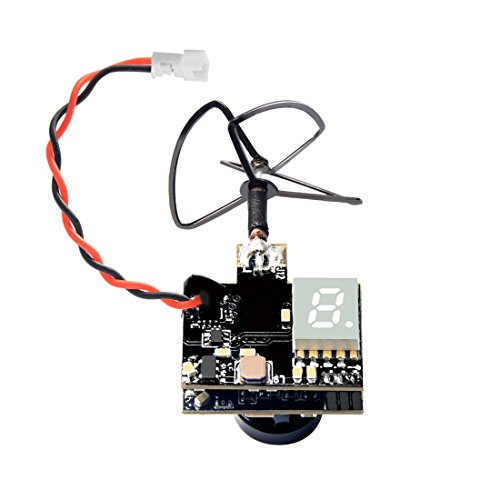
The Wolfwhoop WT03 is a micro FPV AIO camera with a 600TVL sensor and a 5.8 GHz transmitter. It’s a compact, plug-and-play solution that is compatible with a wide range of receivers, making it beginner-friendly and suitable for DIY projects.
Best for: Builders prioritizing ultra-lightweight components and quick deployment for micro drones or small RC crafts.
Why selected: Its micro size and broad RX compatibility reduce setup friction for first-time builders and seasoned micro-constructors alike.
Caution: This kit emphasizes simplicity and compatibility; verify weight and balance on very small airframes to avoid performance drift.
Loiley 2K HD Drones with Altitude Hold

This beginner-friendly drone offers a 2K HD camera and altitude hold for stable aerial photography. It includes a one-button takeoff/landing feature and headless mode, helping new pilots focus on framing rather than intricate controls. The device folds easily and stays under typical lightweight thresholds for easy carry and storage.
Best for: Beginners seeking an easy introduction to aerial videography, with a straightforward flight experience and share-ready imagery.
Why selected: The 2K camera quality paired with user-friendly controls makes it a practical stepping stone toward more advanced FPV setups.
Caution: Portability is great, but ensure the flight range and firmware support match your local hobby usage and airspace rules.
RunCam FPV Monitor With DVR

This FPV monitor combines a 4.3″ IPS display with a built-in 5.8 GHz receiver and a DVR function. It supports 40-channel operation, offers low power consumption, and includes dual-antenna reception for improved signal stability. The device can accept video input and output and is compatible with a wide voltage range (DC 5–23V).
Best for: Ground-based pilots or racers who want a compact, reliable real-time video monitor for field use and post-flight review.
Why selected: The DVR feature is a practical addition for reviewing footage and improving line-of-sight decisions without needing a separate recorder.
Caution: The screen size is compact, so detailed evaluation of image clarity should be done in advance if you rely on precise visual cues during flight.
RunCam Phoenix 2 SPV5 Micro FPV Camera

The Phoenix 2 SPV5 is a compact FPV camera designed for micro drones, planes, and cars. It features a 160° FOV, 1000TVL real-time imaging, and a replaceable lens hood to minimize glare. The camera uses a robust 1/2″ CMOS sensor and includes a protective back cover to extend its lifespan in dusty or rough environments.
Best for: Freestyle pilots and racers who want reliable visuals in a lightweight package with glare protection.
Why selected: Its high resolution and durable design make it a strong choice for competitive FPV builds that demand consistent image quality.
Caution: The lens hood is replaceable, but ensure you have compatible parts if keeping the camera on rugged rigs that subject it to frequent impacts.
Crazepony Spotter V2 Micro FPV AIO
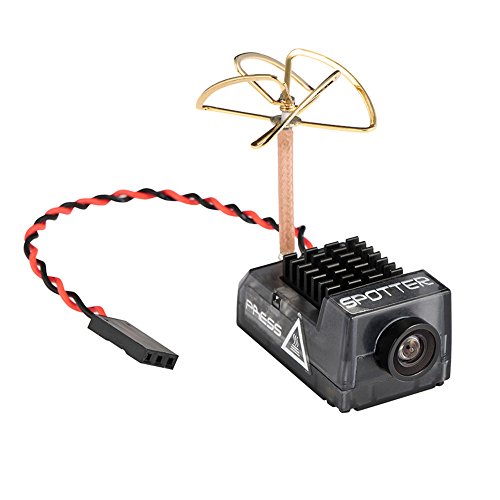
The Crazepony Spotter V2 is a 2-in-1 FPV camera and video transmitter designed for ready-to-flight setups. It uses a Clover antenna for signal reception, supports 7–20V input, and outputs 20–200 mW across 40 channels at 5.8 GHz. The 170° FOV and 700TVL resolution enhance the immersive FPV experience, with a microphone included for audio feedback.
Best for: DIY enthusiasts who want an easy, plug-and-play AIO solution for micro drones and other compact vehicles.
Why selected: The integrated transmitter and large FOV provide a strong value proposition for simple builds and quick field testing.
Caution: Indoor or tight-space pilots should verify power requirements and heat dissipation in extended sessions.
Buying Guide: Key Considerations For Budget FPV Cameras
- Field of view (FOV): Wider FOVs (e.g., 170°) give a more immersive feel but can introduce more distortion; consider your flown platform and preference for edge clarity.
- Sensor resolution: 700–1000 TVL is common in budget cameras and balances image quality with price. Higher resolution helps in low-light or fast-action scenes but may require more processing power.
- Transmit power and frequency: 20–200 mW at 5.8 GHz covers a range of micro to mid-length flights. Ensure your setup complies with local regulations and your receiver’s compatibility.
- Integrated components: AIO cameras save wiring and weight, which is ideal for micro builds, but verify if you need standalone cameras or VTXs for upgraded rigs.
- Durability and environmental tolerance: Dust-proofing, lens hoods, and protective back covers extend camera life in rough field conditions.
- Weight: For micro drones, every gram matters. Prefer micro AIOs with low weight to reduce stress on the airframe.
- Power requirements: Some units require a dedicated LiPo battery or specific voltage ranges; confirm compatibility with your flight controller, VTX, and battery setup.
FAQ
- What is an FPV camera AIO kit?
An AIO kit combines a camera and transmitter in one compact package, simplifying wiring and saving weight for drones and other RC platforms.
- Is a higher FOV always better?
A higher FOV provides a more immersive view but can distort edges and reduce pixel clarity at the periphery. Choose based on your preference and flying style.
- Can these cameras be used with any FPV goggles?
Most 5.8 GHz FPV cameras and VTX units are compatible with common FPV goggles, but always verify the receiver compatibility and channel selection with your goggles.
- Do budget cameras impact video latency?
Latency varies by transmitter and receiver combinations. Budget cameras commonly have acceptable latency for hobbyist use, but check the specific product specs for your setup.
- What maintenance helps extend camera life?
Protect lenses with hoods, clean sensors gently, and protect cameras from dust and moisture. Replace lenses and protective covers as needed.