Finding a budget-friendly USB-C monitor that delivers solid performance for work, video streaming, and light gaming can be challenging. This guide highlights five reliable options that balance price with essential features such as USB-C connectivity, color accuracy, and comfortable viewing. Each model supports modern laptops and devices, reducing cable clutter while offering clear visuals and practical ergonomics for long days at the desk.
Summary of chosen products:
| Product | Brand | Size / Resolution | Key Benefit |
|---|---|---|---|
| Dell 34 Plus USB-C Curved Monitor | Dell | 34″ 3440×1440, 21:9 | Curved VA panel, high color accuracy, high refresh for work and media |
| Dell 27 Plus 4K USB-C Monitor | Dell | 27″ 4K 3840×2160 | Vivid 4K with 120Hz, strong color coverage |
| INNOCN 27″ 4K USB-C Monitor | INNOCN | 27″ 4K 3840×2160 | HDR400, USB-C DP HDMI versatility |
| Samsung 32” ViewFinity S8 | Samsung | 32″ 4K UHD 3840×2160 | USB-C 90W charging, built-in KVM |
| Philips 34E1C5600HE | Philips | 34″ UltraWide QHD 3440×1440 | Built-in webcam and mic, USB-C dock |
Dell 34 Plus USB-C Curved Monitor

The Dell S3425DW delivers a large ultrawide experience with a 34-inch curved VA panel at 3440×1440 resolution. It supports AMD FreeSync Premium with refresh rates up to 120Hz and an ultra-fast 0.03ms response time, beneficial for both productivity and multimedia. ComfortView Plus reduces blue light to alleviate eye strain, while color coverage reaches 99% sRGB and 95% DCI-P3 for richer visuals. Built-in speakers add convenience for desk setups without external audio requirements.
Dell 27 Plus 4K USB-C Monitor

The Dell S2725QC brings 27-inch 4K visuals with a 120Hz refresh option and AMD FreeSync Premium. ComfortView Plus helps minimize blue light exposure, supporting longer viewing sessions with reduced eye strain. The monitor offers 99% sRGB coverage, HDR readiness, and a strong contrast profile for detailed shadows and highlights while providing a clean color experience across varied tasks.
INNOCN 27″ 4K USB-C Monitor

INNOCN’s 27C1U-D pairs 4K resolution with USB-C, DisplayPort, and HDMI inputs, facilitating flexible connections to laptops, desktops, and mobile devices. HDR400 support enhances contrast and color depth, while a 60Hz refresh rate is suitable for productivity with occasional media use. The monitor emphasizes a broad color gamut and built-in speakers for a compact, all-in-one workstation experience.
KYY 15.6″ USB-C Portable Monitor
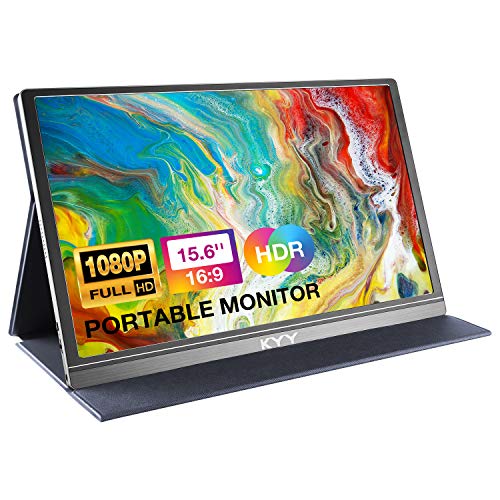
KYY offers a portable 15.6-inch USB-C monitor with 1080p resolution, two USB-C ports, and a mini-HDMI option, enabling a one-cable connection for power and display on compatible devices. Its ultra-slim profile and lightweight design make it ideal for travel or a secondary screen on the go. HDR and eye-care features contribute to comfortable extended use, while built-in speakers add convenience for mobile setups.
Samsung 32” ViewFinity S8

Samsung’s ViewFinity S8 (S80UD) provides a 4K UHD display with HDR10 for enhanced color and detail. USB-C connectivity supports up to 90W charging and data transfer, reducing cable clutter. An integrated KVM switch and ergonomic stand enable efficient multi-device workflows, while a broader color gamut supports professional-grade color tasks and detailed visuals.
Philips 34E1C5600HE UltraWide

The Philips 34E1C5600HE brings an UltraWide 34-inch panel with 3440×1440 resolution and a curved VA design for immersive productivity. It supports USB-C docking and built-in webcam with noise-canceling microphone, offering a ready-made all-in-one solution for video conferencing and multitasking. The wide color gamut and HDR-like capabilities help deliver vivid, lifelike visuals for complex workflows.
Buying Guide: Key Considerations For Budget USB-C Monitors
- Connectivity and power delivery: Look for USB-C with power delivery (PD) to charge your laptop while connected. Check whether the monitor supports DisplayPort Alt Mode and USB-C data transfer to ensure seamless compatibility with your devices.
- Panel type and color accuracy: VA panels often provide strong contrast, while IPS panels deliver consistent color and wide viewing angles. Consider color coverage (sRGB, Adobe RGB, or DCI-P3) based on your tasks, such as photo editing or design work.
- Resolution and size: A larger ultrawide (21:9) improves multitasking with multiple windows, while 4K offers sharp details for productivity and media. Balance screen real estate with desk space and viewing distance.
- Refresh rate and response time: For general productivity, 60–120 Hz is standard. Gamers or video editors may benefit from higher refresh rates and low response times to reduce motion blur.
- Ergonomics and features: Tilt, height adjust, and pivot capabilities influence long-term comfort. Built-in speakers and webcam/mic can reduce clutter, but external audio and peripherals may still be preferred for pro setups.
- Color consistency and calibration: Some models offer factory calibration or color profiles. If color accuracy is critical, verify color accuracy specs and, if possible, test with a calibration tool.
- Budget versus value: Compare total feature sets—such as HDR, docking options, and KVM switches—to determine overall value beyond the sticker price. Consider warranty and after-sales support as part of the cost of ownership.
- Portability needs: If you travel frequently, portable or lightweight monitors can be advantageous, though they may compromise on size or performance.
These considerations help compare models across branding, panel technology, and connectivity. The listed options provide a mix of ultrawide and traditional 4K displays with USB-C docking, suitable for home offices, students, and hybrid work environments while respecting a budget.