Color grading on location requires reliable brightness, accurate color, and practical tools without breaking the budget. The following five monitors balance cost with features suitable for field work, including HDR or waveform tools, LUTs, and color-accurate panels. Each option supports essential grading workflows while staying affordable for independent shooters and small studios.
Summary of chosen products:
| Product | Brand | Key Strengths |
|---|---|---|
| Osee T5+ 5.5 Inch Monitor | osee | 1000 nits brightness, false color, 3D LUT, preset MySets |
| Portkeys PT6 5.2 Monitor | Portkeys | 3D LUT, waveform tools, wide color gamut, multiple battery options |
| JaiHo 14″ CCTV Monitor | JaiHo | Large screen, multiple video inputs, reliable outdoor viewing |
| BenQ PD2700Q Color Accurate Monitor | BenQ | Factory calibration, AQCOLOR, color accuracy for professionals |
| Datavideo TLM-404H Bank | datavideo | Compact multi-monitor bank, tally indicators, simple grading aids |
Osee T5+ 5.5 Inch Camera Monitor

The Osee T5+ is designed for field work with 1000 nits brightness and HDR 4K input support. It offers 1.06 billion color depth and a 1000:1 contrast ratio for clear outdoor viewing. Its false color tools enable quick exposure decisions, and the MySets feature lets you save up to eight monitoring presets—helpful for changing shooting scenarios on location. The device emphasizes rapid, one-click preset switching to maintain workflow efficiency when switching between frames, exposure goals, and focus checks.
Key features include: 4K HDMI input, customizable false color presets, and an on-board workflow OS that streamlines field monitoring. A focus on usability makes it a practical choice for handheld shooting and small crews seeking reliable color feedback in varied lighting conditions.
Portkeys PT6 DSLR Monitor 5.2

The Portkeys PT6 offers a compact 5.2″ display with 600 nits brightness and a touchscreen interface. It supports 4K HDMI input/output and provides advanced waveform and scope tools, including Luma and RGB Waveforms and a 3D LUT workflow. The monitor supports multiple battery options (including NP-F and LP-E6) and features a user-friendly interface for monitoring exposure, color, and focus on location sets. Its versatility makes it suitable for on-set color grading when a portable, dependable reference screen is required.
Key strengths include: comprehensive waveform monitoring, flexible 3D LUT handling, and practical peaking tools. These capabilities help ensure accurate grading decisions during shoots with changing light or mixed color environments.
JaiHo 14 Inch LCD Security Monitor

Although designed for surveillance, the JaiHo 14″ monitor delivers a larger viewing area for detailed color assessment in a studio or on location. It includes multiple input options (HDMI, VGA, BNC, AV) to accommodate various camera rigs and displays a vivid image with a robust color screen. Its simple design and remote control support make it a practical supplementary monitor for color-critical checks, especially when a second, easily readable waveform view is helpful on set.
Highlights include broad compatibility, a sturdy build, and easy integration with different video sources. The larger display helps with precise color checks and focus verification in busy shoots or when reviewing footage with clients on set.
BenQ PD2700Q Color Accurate 27″ Monitor
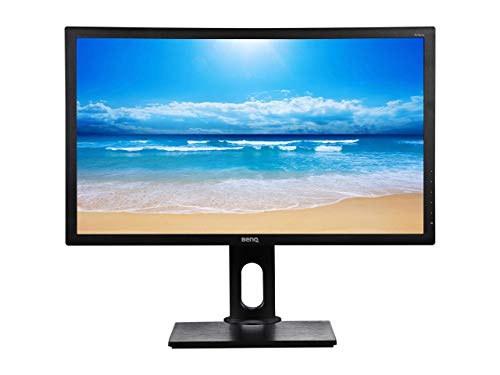
The BenQ PD2700Q is a color-accurate 27″ QHD monitor designed for professionals. It ships with factory calibration and a color-accurate AQCOLOR technology package, ensuring predictable color performance for grading tasks. The monitor offers both HDMI and DisplayPort connections for easy integration into most editing workflows, along with ergonomic features to accommodate long grading sessions. For on-location grading, its proven color fidelity and calibration support make it a strong reference option within a budget-conscious lineup.
Strengths include reliable color accuracy, professional calibration support, and broad connectivity. It serves as a dependable desktop reference when you need a larger, well-calibrated screen for color tasks, color-checks, and client reviews.
Datavideo TLM-404H Monitor Bank

The Datavideo TLM-404H pack comprises four 4″ TFT LCD monitors with three-color tally indicators on each unit. While compact, this bank setup supports quick reference checks across multiple shots or camera rigs. Its 4:3 aspect ratio and independent adjustments for brightness, contrast, and saturation provide basic, dependable monitoring for on-set workflows. While not a single grading reference, the configuration suits teams that need multiple, budget-friendly screens for simultaneous comparison and light-level checks during production.
Buying Guide: Key Purchase Considerations
- Brightness and outdoor readability: For on-location color grading, choose a monitor with sufficient brightness (1000 nits or more is ideal) and good contrast to combat variable daylight.
- Color accuracy and LUT support: Look for models with 3D LUT capabilities, factory calibration, or built-in color tools like false color, zebra, and waveform monitoring to ensure consistent grading decisions.
- Workflow features: Preset workspaces (MySets), waveform and vectorscope tools, and easy LUT import/export streamline field grading and remote collaboration.
- Input/Output versatility: Ensure HDMI, SDI (if needed), and battery options align with your camera setup and on-location power constraints.
- Portability vs. screen real estate: Smaller monitors excel on handheld rigs and backpacks, while larger screens provide more accurate color checks at a desk or with clients present.
- Ergonomics and durability: Consider tilt, swivel, and light ruggedness for frequent transport and field use.
- Budget balance: Prioritize features most critical to grading—color accuracy, LUT workflow, and exposure tools—while selecting a compatible secondary monitor for client review or on-set checks.
- Compatibility with existing gear: Verify that the monitor’s inputs and power options match your camera, batteries, and monitor control preferences.