Choosing an affordable monitor for graphic design requires balancing color accuracy, viewing angles, and response times with price. This guide highlights five budget-friendly options that deliver solid performance for design work, photo editing, and digital illustration. Each pick combines practical features with reliable displays, helping you work confidently without breaking the bank.
Summary of chosen products (no links shown here):
| Product | Brand | Notes |
|---|---|---|
| Acer KG271 X1biip | Acer | 27″ Full HD, IPS, 200Hz, Gaming-focused but good for design clarity |
| Acer KG251Q Z1biip | Acer | 24.5″ Full HD, IPS, 200Hz, compact budget option |
| Acer KG241Y X1biip | Acer | 23.8″ Full HD, IPS, 200Hz, versatile budget choice |
| Philips 32E1N1100L | Philips | 32″ Full HD, VA, Adaptive-Sync, wall-mountable |
| HUION Kamvas Pro 16 | HUION | 15.6″ pen display with anti-glare glass, color-accurate |
Acer KG271 X1biip 27″ Full HD IPS Monitor

The KG271 X1biip delivers a 27-inch IPS panel with 1920×1080 resolution and a zero-frame design to maximize screen real estate. Its AMD FreeSync Premium technology reduces stutter and tearing, while a 200Hz refresh rate supports smooth motion. Although marketed for gaming, the high frame rate and ample display area make it well-suited for multi-task design work and image editing, providing ample room for toolbars and palettes without crowding the screen.
Acer KG251Q Z1biip 24.5″ Full HD Monitor

With a compact 24.5-inch footprint and 1920×1080 resolution, this monitor is a budget-friendly option for artists and students. It supports a 200Hz refresh rate and FreeSync Premium to minimize motion blur during routine design tasks and light video work. The slim bezels create a clean workspace, and the panel offers dependable color accuracy for everyday design projects.
Acer KG241Y X1biip 23.8″ Full HD Monitor
This 23.8-inch model sits in the budget sweet spot for designers needing a comfortable workspace. It offers Full HD resolution, a fast 200Hz refresh rate, and AMD FreeSync Premium to keep motion smooth. The zero-frame design helps maximize viewing area for detailed artwork and multi-monitor setups.
Philips 32E1N1100L 32″ Frameless Monitor
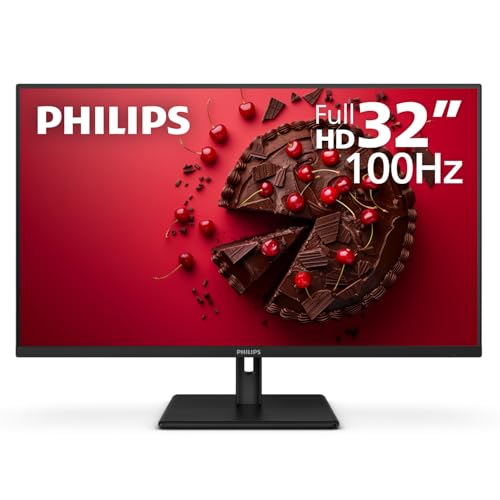
The Philips 32E1N1100L offers a large 32-inch panel with a Full HD VA display and Adaptive-Sync for smooth visuals. Its frameless design creates a modern look that helps reduce distraction during long design sessions. This monitor is well-suited for color-critical tasks in a budget range, supported by a robust set of inputs and a compact stand footprint for desk space efficiency.
HUION Kamvas Pro 16 Drawing Tablet with Screen
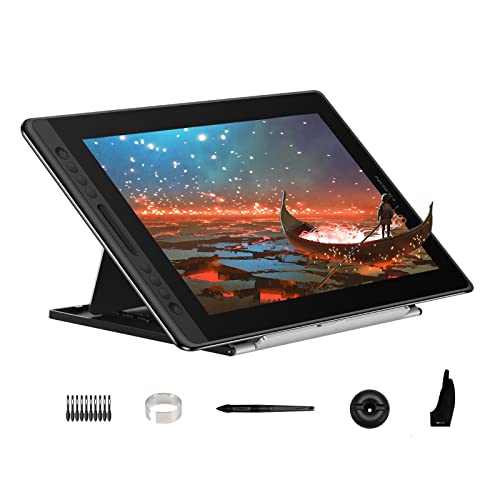
This 15.6-inch pen display blends a laminated screen with anti-glare glass for comfortable drawing and precise control. It supports tilt for shading and provides a color-accurate canvas with 120% sRGB coverage and 92% AdobeRGB. A 1000:1 contrast ratio helps separate subtle tones, making it a strong option for illustrators and designers needing a portable, integrated display.
Buying Guide: Key Purchase Considerations
- Color accuracy and coverage: For design work, prioritize panels with wide color gamuts (ideally 100% sRGB or higher) and accurate color reproduction. Look for reviews or spec sheets that mention color accuracy measurements.
- Display type and size: Larger screens (27″–32″) provide a more comfortable canvas for layout and detail work, but require more desk space. IPS panels offer consistent viewing angles and color, while VA panels can deliver strong contrast for certain tasks.
- Refresh rate and response: While gaming-oriented monitors boast high refresh rates, for graphic design a solid 60–144Hz is usually sufficient. Higher refresh can benefit smooth panning in large canvases and video editing rough cuts.
- Connectivity and practicality: Ensure the monitor offers the right inputs (HDMI, DisplayPort, possibly USB-C) and a stable stand. Some designs emphasize thin bezels and VESA compatibility for mounting flexibility.
- Color calibration and presets: Some displays ship with factory calibration or easy-to-use color presets. If color-critical work is common, consider a monitor that supports hardware calibration or comes with color profiling software.
- Budget vs. features: Balance essential features for design (color accuracy, screen size, panel type) against budget. Monitors in the 24–27 inch range with IPS panels often deliver the best value for designers on a budget.
- Ergonomics and workspace: Look for tilt, swivel, height adjustment, and pivot options to tailor the setup for long sessions. Consider anti-glare coatings for reducing eye strain during extended work periods.
- Alternative: drawing displays vs. standalone monitors: If you also illustrate, a drawing display like Kamvas Pro 16 integrates with your computer as a screen tablet, offering pen pressure and tilt; it can be a strong complement or alternative to a traditional monitor depending on your workflow.