Answering the search for affordable, high-quality center channel speakers, this guide highlights five solid options that deliver clear dialogue, solid mids, and reliable performance without breaking the bank. These picks are suitable for budget-conscious movie lovers, entry-level home theater setups, and dorm room or small living space systems. Each product is assessed for best use case, notable strengths, and a practical limitation to help you decide quickly. Below is a quick summary of the chosen products for easy comparison.
| Product | Why It Stands Out | Best For |
|---|---|---|
| Polk Audio TL1 Center Channel Speaker | Time Lens alignment for precise imaging and a curved, TV-friendly enclosure | Small-to-medium rooms needing clear dialogue |
| Micca MB42X-C Advanced Center | Balanced woofer and silk tweeter with ported bass for fuller sound | Budget setups seeking strong bass and imaging |
| Yamaha NS-C210BL Center Channel | 2-way design with aluminum-cone woofers and dynamic sound | HDTV dialogue with reliable dynamics |
| NEUMI CS5 Center Channel Speaker | Dual 5-inch woofers and a single tweeter for budget-friendly clarity | Simple, compact rooms with a separate amp |
| Polk Audio T30 Center Channel Speaker | Dual 5.25″ woofers and silk tweeter for balanced voice and bass | Entry-level home theaters needing consistent voice clarity |
Polk Audio TL1 Center Channel Speaker
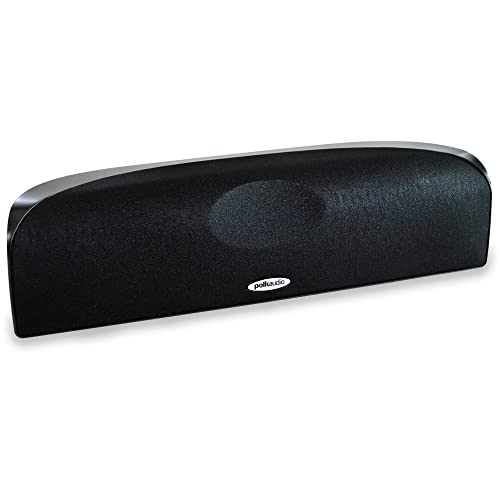
The Polk TL1 Center Channel Speaker focuses on precise sound staging with Time Lens technology that aligns the drivers to deliver cohesive dialogue and imaging. The compact, curved enclosure is designed to blend with flat-panel TVs, making it a practical choice for media centers or small living rooms. Best for listeners who want clear dialogue without a bulky speaker footprint, the TL1 benefits from a dedicated center role in a budget setup. A potential limitation is that its smaller woofers may not deliver deep bass on larger movie soundtracks without a subwoofer pairing.
Saiyin Slim Center Channel Speaker

The Saiyin Slim Center Channel Speaker emphasizes vocal clarity and compact design. It’s mounted on a wall or placed on a shelf, making it versatile for various room layouts. The horn tweeter delivers clear highs, which helps with movie dialogue and TV speech. It’s best for rooms where dramatic presentation is not overly large or for setups where a slim silhouette matters. A limitation is that it requires a separate amplifier or receiver to drive the speaker, which adds to overall system cost.
Saiyin Center Channel Speaker (Dual 4-Inch Woofers)

This Saiyin model pairs dual 4-inch woofers with a horn-loaded tweeter to deliver a focused soundstage and strong midrange for dialogue. It’s suited to rooms where placement flexibility exists, including wall mounting. The horn design helps direct sound toward the listening position, improving intelligibility. A cautions point is that the overall bass response may not satisfy buyers seeking robust low-end without a subwoofer.
Yamaha Audio NS-C210BL Center Channel

The Yamaha NS-C210BL is a two-way bass-reflex center speaker designed to reproduce dynamic HD sources with crisp midrange and punchy dialogue. Its lightweight aluminum-cone woofers contribute to fast transient response, helping voices sound natural against action scenes. This model is better for users who value reliability and consistent channel balance. A limitation is that it may not deliver the deepest bass without a dedicated subwoofer, which is typical for center channels in this price tier.
Micca MB42X-C Advanced Center Channel
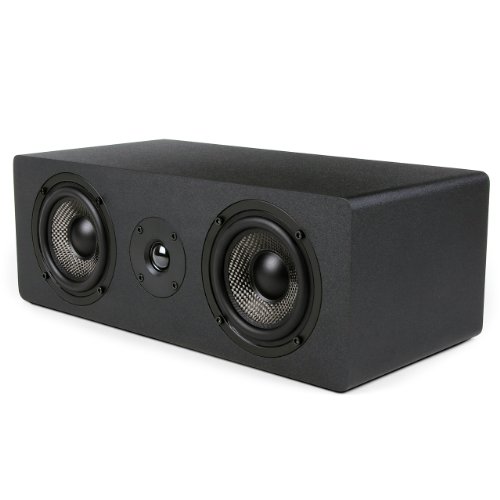
The Micca MB42X-C centers on a balanced woven carbon fiber woofer and silk dome tweeter, with a ported enclosure that extends bass response while maintaining clarity in the midrange and treble. This design supports clear, accurate imaging across a range of programs, making it a strong value pick for budget-conscious setups. The caveat is that you should pair it with a capable receiver to maximize bass and overall playback, especially in larger rooms.
Polk Audio T30 Center Channel Speaker
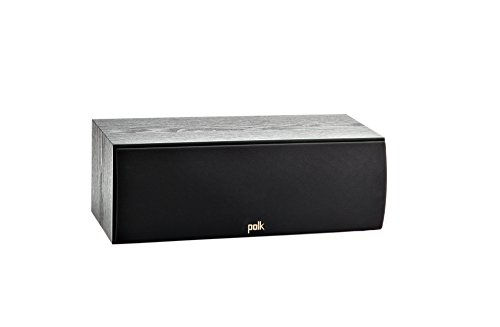
The Polk T30 centers on dual 5.25″ woofers with a 1″ silk dome tweeter to deliver clear dialogue and a balanced midrange with respectable bass extension for a budget model. It’s especially well-suited for new setups or upgrades where you want a reliable voice reproduction that blends well with Polk’s T-Series or other budget-friendly speakers. A limitation is that its bass depth won’t match larger floorstanding centers, so a subwoofer may be desirable for cinematic effects.
Buying Guide
What should you consider when choosing a budget center channel speaker?
- Room size and seating distance: Larger spaces benefit from bigger woofers or a model with stronger bass support, while small rooms can pair with compact center speakers for clean dialogue.
- Amplification: Many budget centers are passive and require a separate amplifier or receiver. Confirm compatibility with your existing AV gear and power needs.
- Voice clarity vs. bass: Center channels primarily handle dialogue. If you watch a lot of movies, prioritize models with clean highs and precise midrange; add a subwoofer if you want deeper bass for action scenes.
- Mounting options: Wall-mountable designs save space and reduce vibrations. Check the enclosure design to ensure compatibility with your room layout and TV stand.
- Speaker alignment with other speakers: A center should be timbre-matched with your left and right channels and, if possible, with any surround speakers to maintain a cohesive soundstage.
- Aesthetics and finish: A curved or slim enclosure can blend with modern TVs, but ensure the size and finish suit your room decor.
Frequently Asked Questions
- What is a center channel speaker used for in a home theater?
- Do I need a subwoofer with a budget center speaker?
- Should I choose a passive or powered center channel?
- Is a bigger center always better for dialogue?
- How important is speaker placement for center channels?
- Can I mix brands for a home theater center channel setup?
A center channel handles the majority of dialogue and central sound effects, providing clarity and anchoring voices to the screen.
Not always. If you mainly want dialogue clarity in a small room, a center may suffice. For movies with heavy bass, pairing with a subwoofer improves overall soundtrack depth.
Passive centers require a receiver or separate amplifier; powered centers include built-in amplification. Choose based on your existing gear and space.
Not necessarily. Clarity hinges on driver quality, crossover design, and room acoustics. In many cases, a well-designed smaller center can outperform a larger, cheaper model.
Placement is crucial. Position the center directly above or below the TV and at ear level when seated to optimize dialogue intelligibility and imaging.
Mixing brands is possible if you prioritize timbre matching and ensure your receiver can manage the different speaker characteristics. Aim for a cohesive soundstage across channels.