When riding, clear audio in your helmet enhances safety and enjoyment. The following Bluetooth helmet speakers are chosen for compatibility with a variety of helmets, long battery life, strong connections, and weather resistance. Read on to compare five top options and find the best fit for your riding style and gear.
| Product | Brand | Top Feature |
|---|---|---|
| JZAQ Motorcycle Helmet Bluetooth Headset | JZAQ | 60 hours playing time; IPX7 waterproof |
| FEYA Motorcycle Helmet Speakers | FEYA | 40mm graphene drivers; dual-phone pairing |
| ELIKIDSTO Motorcycle Helmet Headset | ELIKIDSTO | Very slim profile; ENC noise cancellation |
| Wildhorn Alta Wireless Helmet Headphones | Wildhorn Outfitters | 40mm drivers; gloves-friendly controls |
| Kalence Wireless Ski Helmet Speakers | Kalence | Bluetooth 6.0; 30-hour endurance |
Note: This guide emphasizes compatibility with a range of helmets, durability in outdoor conditions, and user-friendly controls. Each product listing includes direct buying options, so you can compare features quickly and decide which model suits your riding routines best.
JZAQ Motorcycle Helmet Bluetooth Headset
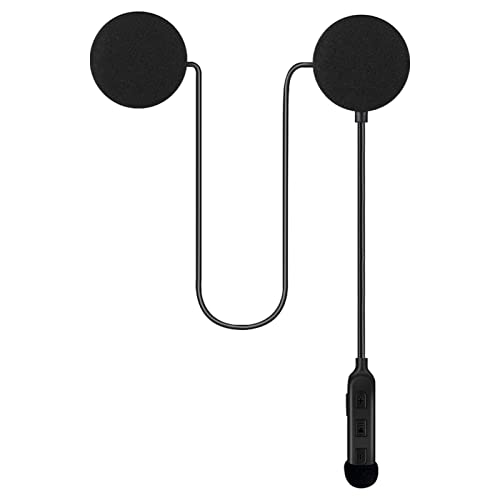
JZAQ’s helmet headset is designed for riders seeking a robust deck of features in a single unit. It supports wireless connections to two mobiles simultaneously and offers automatic pairing for quick setup on the road. The device emphasizes a strong signal, efficient communication during rides, and convenient hands-free operations, including automatic call answering and a voice assistant. A built-in 900 mAh battery promises long play times and standby periods, with a reported 60 hours of continuous talking and listening. The design also highlights IPX7 waterproofing via nano coating, offering protection against rain or snow. Battery status can be displayed on a connected phone for easy monitoring. This model targets riders who want endurance and reliability in varied weather conditions.
FEYA Motorcycle Helmet Speakers

FEYA’s helmet speakers focus on Hi-Fi sound and smart noise handling to improve listening and calling clarity in wind and engine noise. The system supports dual-device pairing so riders can manage a phone and GPS or music source without swapping devices. A 40 mm graphene diaphragm provides strong audio performance, while noise reduction aims to preserve hearing quality during high-speed rides. The battery capacity is substantial for longer excursions, and Type-C fast charging reduces downtime between sessions. This option is well-suited for riders who prioritize immersive audio and crisp calls on longer trips.
ELIKIDSTO Motorcycle Helmet Headset Speakers

ELIKIDSTO’s entry emphasizes a slim 0.47-inch profile, making it easier to fit into various helmet depths. The set is positioned as an accessible option for riders who want simple installation and straightforward use. It emphasizes noise suppression through ENC technology and a robust microphone arrangement to maintain call clarity amid wind and traffic noise. The kit’s emphasis on affordability makes it a practical choice for riders who value essential headset features without a premium price tag. Compatibility hinges on helmet depth and proper insertion, with the foam spacer adjusting as needed for a secure fit.
Wildhorn Alta Wireless Ski Helmet Headphones

Wildhorn Alta focuses on premium sound quality in a ski-helmet friendly form factor. With 40 mm drivers and Bluetooth 5.0, Alta delivers balanced audio and deep bass suitable for mountain environments. The built-in microphone supports hands-free calls, and the design emphasizes universal helmet compatibility, fitting many popular helmet brands. Glove-friendly controls allow quick adjustments without removing gloves, making it a practical choice for cold-weather riders who need reliable performance on the slopes or on the road when weather shifts. These speakers are positioned as a versatile option for both skiing and motorcycle use.
Kalence Wireless Ski Helmet Speakers (Bluetooth 6.0)

Kalence’s latest wireless ski helmet speakers leverage Bluetooth 6.0 to deliver a stable, interference-free connection with extended range. Aimed at riders who want uninterrupted music and clear calls, Kalence emphasizes long battery life—up to about 30 hours of operation—reducing the need for frequent recharging. The control design features glove-friendly, oversized buttons and compatibility with voice assistants via “Hey Siri” or “Hey Google.” The emphasis is on ease of use during cold-weather activities, making it appealing for skiers, snowboarders, and motorcycle riders seeking dependable performance on long excursions.
Cardo Spirit Motorcycle Bluetooth Headset

Cardo Spirit offers OTA software updates via the Cardo Connect App and universal connectivity with other Bluetooth headsets, making it a flexible option for riders who already own multiple devices. The waterproof construction is designed to withstand rain, mud, and snow, ensuring reliability in adverse weather. The combination of up-to-date software, broad compatibility, and rugged build makes Spirit a strong choice for riders who value long-term software support and interoperability in a modular headset ecosystem.
M Jiuyunmu Outdoor Sports Ski Helmet Speakers

M Jiuyunmu’s true wireless helmet speakers emphasize stability and fast transmission with Bluetooth 5.3, offering a robust connection for skiing, snowboarding, mountain biking, and related activities. The design highlights a Type-C charging interface for stable power delivery and easy operation with gloves. A single-button approach manages playback and calls, and the 40 mm drivers provide a strong audio experience to help drown out wind noise during fast-paced activities. The kit is positioned as a practical option for multi-sport use in outdoor environments.
Buying Guide: Key Considerations For Helmet Bluetooth Speakers
- Compatibility and fit: Helmet depth and ear pad space vary widely. Look for slim profiles or adjustable spacers to ensure a snug fit without protruding into the helmet’s interior.
- Battery life and charging: Longer play time reduces on-road charging needs. Check whether devices offer fast charging and clear battery indicators on your phone.
- Sound quality vs. wind noise: High-quality drivers help, but wind and engine noise dominate on the road. ENC or noise-cancellation features improve call clarity.
- Water and weather resistance: IP ratings (IPX4 to IPX7) indicate sweat, rain, and snow tolerance. Nano coatings can add protection for outdoor use.
- Controls and gloves usability: Glove-friendly buttons are essential for cold-weather riding. Large, tactile controls help with safety and convenience.
- Connectivity: Dual-device pairing is useful for GPS navigation, music, and calls. Bluetooth 5.x generally offers better range and stability.
- Voice assistant support: Hands-free voice control can be a safety feature for quick queries or changing music without removing gloves.
- Interoperability: If you ride with passenger or other riders, consider devices that support multi-brand compatibility or universal connectivity.
- Installation and fitment: Some devices are designed for universal helmet compatibility, while others require precise placements or foam adjustments.
How To Choose For Your Riding Style
Riders who prioritize long trips will benefit from models with extended battery life and robust waterproofing. Those who ride in variable weather or high-wind environments should focus on noise handling and clear calls. If you frequently swap helmets or ride with GPS-guided routes, universal compatibility and easy installation will be decisive. For casual riders, a cost-effective option with reliable audio quality and straightforward operation may suffice. Consider where you ride most, how often you charge, and whether you need hands-free voice assistant access on the fly.