Whether you’re starting a new hobby or helping a child discover music, a beginner electronic keyboard can unlock creativity without breaking the bank. This guide highlights five standout options designed for new players, featuring built-in lessons, teaching modes, and handy learning accessories. Each pick emphasizes portability, clear sound, and kid-friendly learning tools to support steady progress from the first note to real songs.
| Product | Key Features | Includes |
|---|---|---|
| RockJam 49 Key Keyboard | 49 full-sized keys, notes stickers, sheet music stand | Power supply, Simply Piano lessons |
| Alesis Melody 61 MK4 | 61 keys, 300 sounds, rhythms, 30 demo songs | Back sheet music/tablet stand, power adapter |
| Donner 61 Key Kit | 61 keys, 249 voices, 249 rhythms | Stand, bench, microphone, sheet music stand |
| Rfgyhet 61 Key Keyboard | 61 keys, dual speakers, 100 rhythms, 100 tones | Microphone, LCD screen |
| JIKADA 61 Key With Teaching Modes | Lighted keys, 3 teaching modes, note stickers | Stool, stand, microphone |
RockJam 49 Key Keyboard Piano
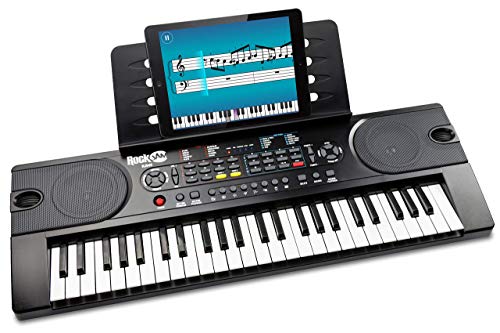
The RockJam 49 Key Keyboard Piano offers a compact, beginner-friendly learning experience with 49 full-sized keys. It comes with a sheet music stand and piano note stickers to help new players locate notes quickly. The included Simply Piano lessons guide beginners through essential skills, making it a solid educational tool for children and adults starting out.
Alesis Melody 61 MK4 Keyboard Piano
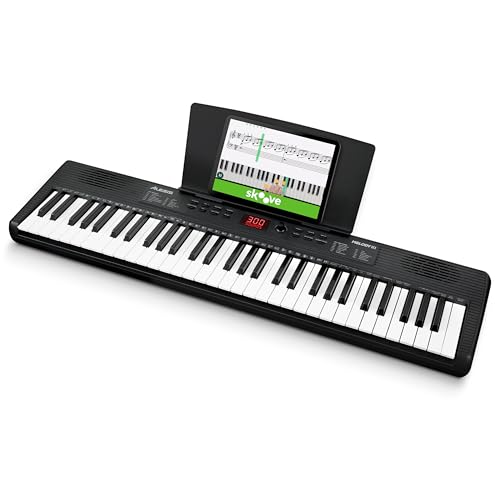
The Alesis Melody 61 MK4 is a beginner-oriented keyboard with 61 keys and a robust library of 300 sounds plus 300 accompaniment rhythms. It includes a full back sheet music/tablet stand, power adapter, and access to online piano lessons, giving new players multiple pathways to learn and enjoy playing from day one.
Donner 61 Key Keyboard Kit

The Donner DEK-610S kit provides an all-inclusive setup for beginners, including a keyboard stand, an adjustable bench, sheet music stand, microphone, and power adapter. With 32-note polyphony, 249 voices, and 249 rhythms, users can explore a broad sonic palette, while a built-in LCD display helps navigate functions easily.
Rfgyhet 61 Key Keyboard

The 61-key Rfgyhet model blends child-friendly design with functional features like dual built-in speakers, 100 rhythms, and 100 tones. It includes a microphone and an LCD screen, making it suitable for singing along while learning basic music theory and keyboard layouts.
JIKADA 61 Key With Teaching Modes

The JIKADA keyboard emphasizes learning with three teaching modes and lighted keys to guide beginners through scales, chords, and popular melodies. The included note stickers help users memorize key positions, while built-in speakers and a microphone support solo practice and vocal accompaniment.
Buying Guide: Key Purchase Considerations For Beginners
When selecting a beginner keyboard, consider the following factors to match learning goals and budget:
- Key count and size: 49-61 keys are common for beginners; full-size keys feel more like a real piano and support gradual technique development.
- Learning features: Look for built-in lessons, teaching modes, and note stickers to reinforce music theory and reading skills.
- Sound library and rhythms: A broad variety of tones and rhythms helps keep practice engaging and supports playing in different styles.
- Accessories: A stand, bench, sheet music rest, and a microphone can enhance practice sessions and performance comfort.
- Power options and portability: Keyboard kits with adapters and lightweight builds are ideal for practice at home or on the go.
- Connectivity: Headphone jacks and MIDI/USB options enable silent practice and future expansion with software or apps.
- Durability and safety: Look for sturdy construction and kid-friendly materials, especially for younger players.
- Price and value: Compare bundles that include teaching materials or lessons to maximize learning per dollar.
Overall, the best beginner electronic keyboard balances approachable playability, structured learning features, and essential accessories to support consistent practice. Consider the learner’s age, goals, and preferred learning style when choosing among these options.