Starting a musical journey with a digital keyboard is easier with a versatile, beginner-friendly model. This guide highlights five top options and explains what to look for when choosing a keyboard for practice at home. Each product is suited for novices while offering features that support steady progress, from learning modes to built-in rhythms and teaching tools.
| Product | Key Features | Why It’s Helpful |
|---|---|---|
| 88 Key Piano Keyboard (Crrtvt) | Semi-weighted keys, 128 voices, 80 demo songs | Authentic feel and broad sound palette for practice and inspiration |
| 61 Keys Keyboard Piano (Rfgyhet) | Built-in speaker, microphone, 100 rhythms, 100 tones | Kid-friendly with singing and learning features |
| Donner 61 Key Keyboard (DEK-610S) | LCD display, 249 voices, 249 rhythms, stand and bench | All-in-one kit for beginners |
| KEYIVOX 61-Key Keyboard | 200 tones, 70 demo songs, recording, metronome | Integrated teaching modes and progress tracking |
| RockJam 61-Key Keyboard (RJ361) | 200 sounds, 200 rhythms, 10 demo songs, sustain | Clear learning path with stickers and lessons |
88 Key Piano Keyboard From Crrtvt

The 88-Key Piano Keyboard from Crrtvt is designed for beginners who want an authentic piano feel without leaving home. The semi-weighted keys offer a more realistic touch than typical entry-level keyboards, helping to build finger strength and technique early in the learning process. This bundle includes a sustain pedal, power supply, stand, carrying case, and headphones, providing a complete setup for uninterrupted practice sessions. With 128 instrument voices and rhythms and 80 included demo songs, new players can explore various genres and styles while gradually improving technique. The standard touch-sensitive keyboard adds to the authentic playing experience, supporting learners as they transition to more advanced pieces.
61 Keys Keyboard Piano From RFgyhet

This 61-key model from RFgyhet is ideal for kids and beginners, featuring built-in speakers and a microphone for singing along while learning. The keyboard supports multiple functions including recording, 100 rhythms, and 100 tones, making it a versatile tool for exploring melody and rhythm. Its child-friendly design emphasizes safe materials and rounded edges, making it a popular first instrument for younger beginners. The integrated learning-friendly features, such as an LCD display and various teaching modes, help young players stay engaged while developing fundamental piano skills.
Donner 61 Key Keyboard Piano Kit

The Donner DEK-610S kit is a complete beginner’s package that includes a stand, adjustable bench, sheet music stand, a microphone, and a power adapter. With 32-note polyphony, 249 voices, and 249 rhythms, this keyboard offers ample room to experiment with different sounds and arrangements as a learner grows. Its LCD display helps new players navigate current functions and settings, reducing confusion during practice. The all-in-one approach makes it easier for beginners to set up and start playing right away, without purchasing additional accessories from elsewhere.
KEYIVOX 61-Key Electronic Keyboard

The KEYIVOX 61-key keyboard focuses on beginner-friendly learning and progress tracking. It offers 200 tones and rhythms, along with 70 demo songs, providing a broad sonic palette for practice and exploration. Integrated learning modes and a recording function help guide learners through step-by-step routines and allow for progress reviews. A metronome ensures consistent rhythm, and a headphone jack enables silent practice, which is ideal for shared living spaces or late-night sessions. This model emphasizes practical teaching features without overwhelming new players with excessive complexity.
RockJam 61-Key Keyboard Piano (RJ361)
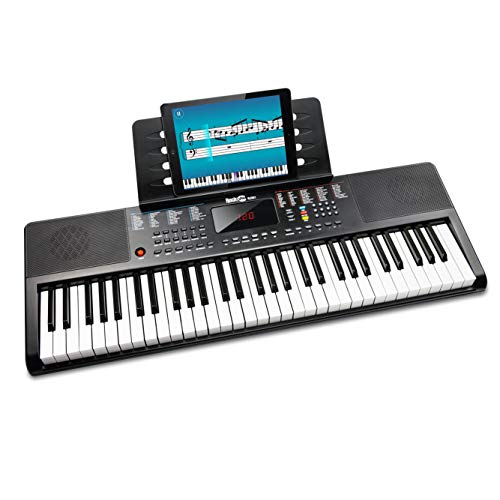
The RockJam RJ361 61-key keyboard offers a well-rounded beginner experience with 200 sounds, 200 rhythms, and 10 demo songs. Built-in sustain and vibrato effects, along with a record-and-playback function, support basic composition and practice routines. The bundled lesson aids and keyboard stickers make it easier for beginners to locate notes and understand finger placements, which helps with early music literacy. This model balances accessible pedagogy with sufficient sonic variety to keep practice engaging as skills improve.
Buying Guide: Key Purchase Considerations
When choosing a beginner digital keyboard, consider the following factors to ensure a good fit for your goals and space:
- Key count and feel: Full-sized 61- or 88-key keyboards accommodate growing technique. Semi-weighted keys provide a more piano-like touch, which is beneficial for developing finger strength.
- Teacher-friendly features: Look for built-in metronome, learning modes, demo songs, and a recording function to track progress.
- Sound variety: A broad library of tones and rhythms expands practice versatility and keeps learning engaging across genres.
- Accessories: Bundled stands, benches, sustain pedals, and microphones can save time and setup effort, especially for beginners.
- Sound output and connectivity: Built-in speakers are convenient for solo practice; MIDI and Bluetooth capabilities enable expansion with apps and software as skills advance.
- Portability vs. stability: Lightweight models are easy to move, while sturdier kits are better for frequent use at home and during practice sessions.
- Price-to-feature balance: For beginners, focus on core learning features and build quality rather than high-end extras you may not yet need.
Across these five options, beginners can find a suitable entry point that supports learning fundamentals, rhythm training, and a gradual increase in difficulty. The combination of learning aids, inclusive bundles, and practical key action makes these keyboards viable first instruments for aspiring players in the United States.