< article>
Answer: If you’re shopping for batteries to power a cart, look for deep-cycle design, appropriate voltage, maintenance needs, and compatibility with your cart’s system. This guide profiles five strong options and explains who each is best for, plus practical buying considerations. The top picks cover compact 12V units, large deep-cycle batteries, and modern lithium options to suit different carts and duty cycles.
Overview table: Selected products at a glance
| Product | Brand | Voltage / Type | Best For | Key Benefit |
|---|---|---|---|---|
| Next-Gen Battery – Updated Design 2026 | Generic | 5 Voltage Modes (2.1–3.7V) + USB-C | Small tools, hobby projects, and compact carts | Smart LED display for real-time monitoring |
| Weize GC2 6V Golf Cart Battery | WEIZE | 6V, AGM Deep Cycle | Standard golf carts and scissor lifts | True deep cycle with maintenance-free design |
| Mighty Max ML5-12 | Mighty Max Battery | 12V, 5Ah SLA | Compact trolling motors, small carts | Maintenance-free sealed lead acid |
| DC HOUSE 48V LiFePO4 Golf Cart Battery | DC HOUSE | 48V, LiFePO4 | High-capacity, longer-range carts | Metal case construction with multiple protections |
| Trojan T-875 8V Deep Cycle Battery | Trojan Battery Company | 8V, Deep Cycle Lead Acid | Classic golf carts needing 8V cells | Reputable GC8 series for reliable power |
Next-Gen Battery – Updated Design 2026

The Next-Gen Battery features a universal 510 threaded connection and five adjustable voltage modes (2.1V, 2.5V, 2.9V, 3.3V, 3.7V), enabling precise power control for a range of tasks beyond standard cart use. An LED display provides real-time battery life and voltage readouts for monitoring. Best for buyers who need adjustable, compact power on a small to mid-size toolset or accessory-equipped cart. Limitation: the unit emphasizes versatility over high-capacity energy storage, so it’s not ideal for long rides on larger carts.
- Best for: versatile, compact setups and hobby carts needing precise voltages.
- Why selected: compact form with clear monitoring; supports multiple voltage levels for varied tasks.
- Caution: Ensure compatibility with your specific tool or cart accessory, as voltage modes must match device requirements.
Weize GC2 6V Golf Cart Battery

This 6V GC2 deep-cycle AGM battery is designed for golf carts, scissor lifts, scrubbers, and similar equipment. It uses a maintenance-free design with true deep-cycle performance and robust grid/paste construction for repeated discharge and recharge cycles. Best for traditional golf carts that require reliable 6V blocks. A potential limitation is weight and size for models with tighter battery compartments, so verify fit before purchase.
- Best for: standard golf carts and deep-cycle applications requiring 6V blocks.
- Why selected: maintenance-free AGM design supports long, steady discharges.
- Caution: Check battery compartment space and post terminal configuration for compatibility.
Mighty Max ML5-12
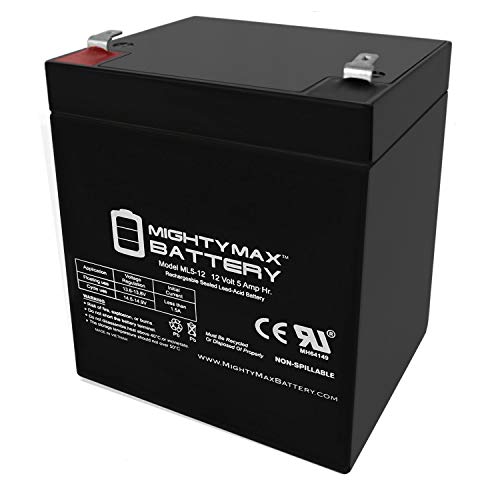
The Mighty Max ML5-12 is a 12V 5Ah Sealed Lead Acid (SLA) battery with a maintenance-free design. Its dimensions fit compact spaces and its F1 terminal is standard for many small applications. Best for small carts, portable devices, and compact trolling setups requiring a lightweight, maintenance-free power source. Limitation: lower capacity means shorter run times between charges for larger carts or higher-demand applications.
- Better for: compact carts and small accessory loads where weight matters.
- Why selected: SLA design delivers predictable, maintenance-free operation.
- Caution: Not ideal for high-drain, long-run applications; pair with appropriate load expectations.
DC HOUSE 48V LiFePO4 Golf Cart Battery

This 48V LiFePO4 battery from DC HOUSE is designed for golf carts, offering fit-for-purpose power with a 200A BMS and a 56-mile range claim under typical use. Built with a metal case for added durability and enhanced safety protections, it provides modern lithium performance in a cart upgrade. Best for riders seeking longer run times and improved charging efficiency. Caution: Verify cart compatibility and installation requirements, as lithium conversions may require wiring considerations and BMS awareness.
- Choose this if: you want higher energy density, lighter weight, and longer cycle life than lead-acid options.
- Why selected: robust safety features and metal case construction improve durability and safety.
- Caution: Ensure proper integration with your cart’s charging system and space for the lithium module.
Trojan T-875 8V Deep Cycle Battery

The Trojan T-875 8V deep-cycle lead-acid battery, a GC8 group, is a traditional choice for golfers and cart owners who rely on established 8V blocks. Its voltage and chemistry deliver dependable performance for ongoing cart operations. Best for: carts configured for 8V cells or when replacing multiple 8V units in older installations. Limitation: lead-acid chemistry requires regular maintenance checks and can be heavier than modern lithium options.
- Best for: classic setups using 8V blocks or replacements in older models.
- Why selected: trusted brand with established performance in deep-cycle applications.
- Caution: Consider maintenance needs and overall system weight when upgrading from other chemistries.
Buying Guide: Key Considerations For Cart Batteries
What cart type are you powering? Electric golf carts, personal mobility devices, or small utility carts have different power needs. Match voltage, capacity, and chemistry to your cart’s electrical system. Consider space, weight, and mounting constraints when selecting a battery. Lithium options generally offer higher energy density and longer life, while lead-acid variants may be easier to replace in older carts.
Voltage and Compatibility
Ensure the battery voltage matches your cart’s required system voltage. A few carts use 6V or 8V modules, while modern upgrades prefer 48V LiFePO4 packs for longer range. Check your cart’s owner manual or existing battery configuration to avoid mismatches that can affect performance or safety.
Chemistry: Lead-Acid vs. Lithium
Lead-acid models (flooded or sealed SLA) offer lower upfront cost and broad replacement availability. Lithium iron phosphate (LiFePO4) provides lighter weight, longer cycle life, faster charging, and better depth-of-discharge. Weigh the total cost of ownership, including maintenance, replacement frequency, and charging infrastructure when choosing.
Capacity And Run Time
Battery capacity (Ah or Wh) correlates with how long a cart can run between charges. For frequent use or longer rides, prioritize higher capacity or energy-dense lithium packs. Remember that high-drain loads, terrain, and climate reduce real-world run times. Always size a battery with a safety margin for peak demands.
Physical Fit And Mounting
Cart compartments vary in size and shape. Before purchasing, measure the available space, post orientation, venting (for lithium safety), and mounting points. Some batteries include adaptable housings or specific post configurations; ensure the chosen unit fits without modifications that could affect warranty or safety.
Maintenance And Safety
Maintenance-free designs are convenient but may have different care requirements. Lead-acid batteries require water level checks (for flooded types) and terminal cleaning, while LiFePO4 packs need proper charging routines and thermal management. Verify venting, short-circuit protections, and BMS features when evaluating safety.
Charging Compatibility
Review your charger’s compatibility with the battery chemistry. Lithium systems often use dedicated BMS-managed chargers, while lead-acid batteries rely on standard chargers. Incompatibility can affect performance and safety. Consider whether a charging schedule aligns with your cart usage patterns.
Warranty And Service
Warranty coverage and service options can influence long-term value. Look for coverage that suits your expected lifecycle and replacement needs. For lithium packs, understand any requirements around installation and monitoring systems that may affect warranty claims.
FAQ: Quick Answers For Cart Battery Buyers
- What is the best battery type for a golf cart? It depends. Lithium LiFePO4 offers longer life and lighter weight, while lead-acid is often more affordable and widely available. Choose based on range needs, budget, and space.
- How do I know which voltage my cart needs? Check your cart’s manual or current battery configuration. Common configurations include 6V, 8V, or 48V systems. Mismatched voltage can damage the cart or reduce performance.
- Can I mix battery brands in one cart? It is not recommended. Mismatched chemistries, capacities, or ages can create imbalances, reduce performance, and shorten life. Use matched sets where possible.
- How important is the depth of discharge? Higher usable capacity (deeper discharge) improves run time per charge. LiFePO4 generally enables deeper discharges with less degradation than some lead-acid options.
- What maintenance is required for SLA batteries? SLA batteries require periodic inspection, terminal cleaning, and, for flooded types, water top-ups. Sealed types reduce maintenance but still need careful charging to avoid sulfation.
- Will upgrading to lithium require new chargers? Often yes. Lithium systems may need a compatible charger and BMS awareness. Confirm with the cart manufacturer or installer before upgrading.