Choosing the right audio interface for drum recording depends on the number of inputs, preamp quality, low latency, and expandability. The following five interfaces offer robust multi-channel I/O, clear preamps, and reliable performance for drum setups ranging from small kits to multi-mic drums. Each option is suited for capturing dynamic drum takes, whether you’re tracking a full kit or streaming a drum session.
| Product | Brand | Inputs / Outputs | Best For |
|---|---|---|---|
| Focusrite Scarlett 4i4 4th Gen | Focusrite | 4 In / 4 Out (2 XLR/Hi-Z, 2 Line) | Small to mid drum setups, versatile I/O |
| PreSonus AudioBox 96 | PreSonus | 2 In / 2 Out, MIDI I/O | Portable drum recording with Studio One integration |
| Tascam US-16×08 | Tascam | 16 In / 8 Out, USB 2.0 | Larger multi-mic drum kits, expansive I/O |
| Behringer ADA8200 | Behringer | 8 In / 8 Out (ADAT) | Expandability for large drum projects |
| Universal Audio Volt 2 | Universal Audio | 2 In / 2 Out, USB-C | High-quality preamps for key drum mics |
Focusrite Scarlett 4i4 4th Gen USB Audio Interface

The Focusrite Scarlett 4i4 4th Gen serves as a reliable studio hub for drum setups needing multiple inputs. It features two mic preamps, two Hi-Z instrument inputs, and four line inputs with MIDI I/O. Its 120dB dynamic range and high-quality converters ensure professional-grade sound for drum mics and direct inputs. Air mode adds brightness and presence, helping drums cut through in the mix while maintaining natural transients.
Focusrite Scarlett 4i4 4th Gen USB Audio Interface
Note: This entry reinforces the Focusrite family’s multi-input approach, ideal for drum kits that require separate mics for kick, snare, toms, and overheads. The same 4×4 configuration supports flexible routing, low-latency monitoring, and bundled software that can aid drum production and mixing workflows.
PreSonus AudioBox 96 USB Audio Interface

The AudioBox 96 offers solid two-channel mic preamps with high-headroom instrument inputs, plus MIDI I/O. While smaller than a full drum setup, it pairs well with small to mid drum kits and is a dependable choice for mobile or home studios. Included Studio One Artist software provides a straightforward path from tracking to mixing, which can streamline drum productions.
M-AUDIO M-Track Solo USB Audio Interface
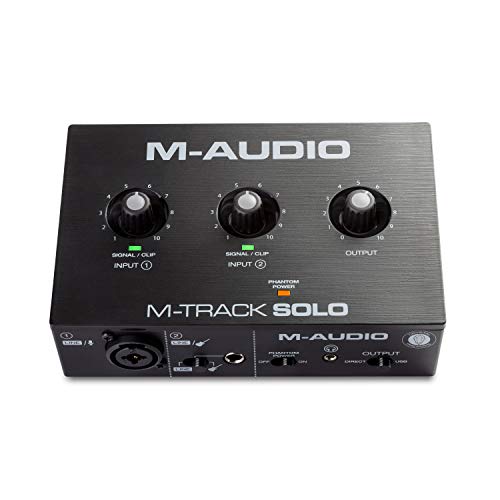
The M-Track Solo is a compact option with XLR/Line and a dedicated instrument input, suitable for smaller drum setups or single-mic overdubs. It includes a software bundle and supports 48 kHz recording, which is adequate for practice and basic demos. For multi-mic drums, consider an upgrade to multi-input models or external mic preamps for expansion.
Behringer ADA8200 Audiophile 8 In/8 Out ADAT

The Behringer ADA8200 provides eight mic/line inputs via ADAT, making it a strong expansion option for larger drum setups. With Midas mic pres and 24-bit/44.1/48 kHz AD/DA conversion, it can extend an existing interface to handle more microphones and tracks. This is ideal when building a multi-mic drum recording chain with additional preamps.
Universal Audio Volt 2 USB Recording Studio Interface
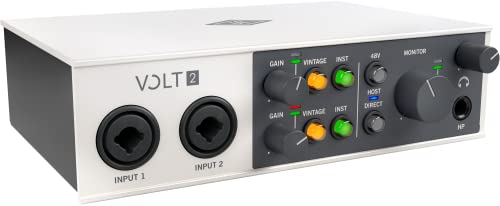
The Universal Audio Volt 2 focuses on high-quality preamps and converters, delivering warm, detailed drum recordings from a compact two-input design. While it has fewer inputs, its audio quality is tailored for critical vocal and drum mic channels where pristine sound is prioritized. Compatibility with UAD plug-ins can enhance drum processing and shaping within a simple setup.
Tascam US-16×08 USB Audio/MIDI Interface

The Tascam US-16×08 offers 16 inputs and 8 outputs, making it an excellent option for drum producers needing extensive multi-mic capabilities. With eight Ultra-HDDA microphone preamps and additional line inputs, it supports large drum setups with clear routing and flexible monitoring. This is well-suited for project studios recording full drum kits or complex drum tracks.
Buying Guide: Key Purchase Considerations For Drums
- Input count and expandability: Drums benefit from multi-mic setups; consider interfaces that offer at least 4–8 mic preamps, or the ability to expand via ADAT or USB.
- Preamp quality and noise floor: Clean, quiet preamps reduce hiss and enable clear drum transients. Look for high headroom and low self-noise.
- Dynamic range and converters: A broad dynamic range (around 110–120 dB) helps capture the full dynamic of drums without distortion.
- Latency and monitoring: Low-latency monitoring is essential for real-time tracking; check direct monitoring options and software buffer settings.
- Expansion options: ADAT or MIDI I/O can grow your setup to accommodate more mics or instruments as your drum recordings scale.
- Software bundle and compatibility: Bundled DAWs and plugins can streamline drum workflows; ensure compatibility with your computer OS and DAW.
- Portability vs. desktop use: For mobile setups, compact USB interfaces with reliable drivers are advantageous; for a fixed studio, larger interfaces with comprehensive routing can be beneficial.
- Durability and build quality: Drum sessions can involve spills and rough handling; sturdy chassis and reliable connectors help longevity.
- Price-to-performance: Higher input counts and better preamps often justify higher cost, but for many drum projects a balanced option can meet needs without overpaying.
For drums, prioritizing multi-mic input capability and expandability is typically more valuable than ultra-high sample rates alone. The options above cover a spectrum—from compact two-input models to multi-channel expanders—so you can choose based on your current setup and growth plan.