Choosing the right analog FPV camera can dramatically affect image clarity, latency, and overall flight performance. This guide highlights five top options, spanning micro, nano, and standard sizes, to help pilots select a camera that best fits their build and flying style. Each entry includes core specs, standout features, and practical considerations for operation in diverse conditions.
| Product | Brand | Resolution / Sensor | Lens / FOV | Notes |
|---|---|---|---|---|
| RunCam Phoenix 2 SPV5 Special Edition | RunCam | 1000TVL, 1/2″ CMOS | 5.8 GHz compatibility, FOV 160° | Durable design with replaceable lens hood |
| MEIVIFPV Caddx Ant 1200TVL 4:3 Nano | MEIVIFPV | 1200TVL, 1/3″ CMOS | 1.8mm, FOV 165° | Ultra-light at ~2g, global WDR |
| FOXEER Razer Mini 1200TVL | FOXEER | 1200TVL, 1/3″ CMOS | 2.1mm, 4:3 PAL/NTSC | High dynamic range, low light capable |
| MEIVIFPV Caddx Ant 1200TVL Ultra Light | MEIVIFPV | 1200TVL, 1/3″ CMOS | 1.8mm, 165° FOV | Nano camera, global WDR |
| CaddxFPV Ratel Pro | CADDXFPV | 1500TVL, 1/1.8″ sensor | 2.8mm, 125° | Super WDR, NTSC/PAL & 16:9/4:3 |
| BETAFPV C03 FPV Micro Camera | BETAFPV | 1200TVL, 1/3″ CMOS | 2.1mm, 160° | Lightweight micro canopy compatible |
| RunCam Nano 2 | DashRC | 700TVL, 1/3” CMOS | 1.8mm or 2.1mm, 170° | Compact, Auto D-WDR |
RunCam Phoenix 2 SPV5 Special Edition FPV Camera

RunCam’s Phoenix 2 SPV5 Special Edition brings a robust analog FPV experience with a 1000TVL sensor and a wide 160° field of view. The camera uses a 1/2″ CMOS sensor and includes a day/night switch for versatile operation in changing light. A unique replaceable lens hood helps prevent glare and lens scratches, extending the camera’s life in dusty or bright environments. The sandwich-style back cover provides durability against crashes and rough handling, a feature valued by freestyle pilots and racers alike. Intended for RC cars, planes, and drones, this model emphasizes reliability and adaptability in variable conditions.
MEIVIFPV Caddx Ant 1200TVL 4:3 Nano FPV Camera

This Caddx Ant nano FPV camera delivers 1200TVL with a compact 1/3″ sensor and a 1.8mm lens that yields an expansive 165° FOV. Its ultra-light design weighs roughly 2g, making it ideal for cinewhoop and micro drones where weight matters. Global WDR helps maintain image clarity across varying lighting, ensuring consistent visibility during fast movements. The camera is designed for versatile use in racing drones, tiny whoops, and RC vehicles that require a featherweight, high-contrast feed.
FOXEER Razer Mini FPV Camera
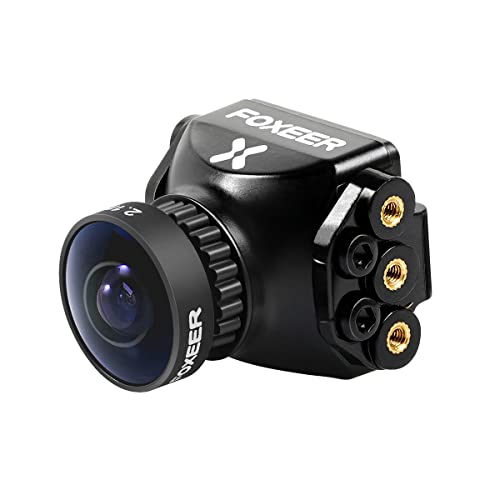
The Foxeer Razer Mini combines a 1/3″ CMOS sensor with 1200TVL resolution and a 4:3 image format. It offers a wide 90dB dynamic range and sensitivity to low light, aided by an LED-stable 0.01 lux performance. The 2.1mm lens supports a balanced field of view suitable for freestyle and racing. The camera’s compact, ultra-light footprint supports seamless integration into micro airframes. It is compatible with NTSC/PAL systems, and its wide dynamic range helps pilots maintain clarity in fluctuating lighting.
MEIVIFPV Caddx Ant 1200TVL Ultra Light Nano FPV Camera

This nano camera from MEIVIFPV emphasizes ultra-light construction at about 2g, making it suitable for cinewhoop and micro racing craft where weight is critical. It features a 1.8mm lens, 0.001 lux sensitivity, and WDR with a 165° FOV to provide broad situational awareness. The 1/3” CMOS sensor captures crisp 1200TVL footage, and the global WDR ensures visibility in mixed lighting environments, including shaded indoor spaces or bright outdoor scenes.
MEIVIFPV Caddx Ant 1200TVL Global WDR 16:9 FPV Nano Camera
This variant from MEIVIFPV delivers 1200TVL clarity in a nano form factor with a 1.8mm lens and a 165° FOV, designed for FPV cinewhoop and micro racing. Its global WDR and 0.001 lux performance help maintain image detail under challenging lighting, such as backlit scenes or rapid shadows during fast flight. The 1/3” CMOS sensor maintains efficient power usage while preserving image fidelity, enabling extended flight times on compact frames.
CaddxFPV Ratel Pro FPV Micro Camera
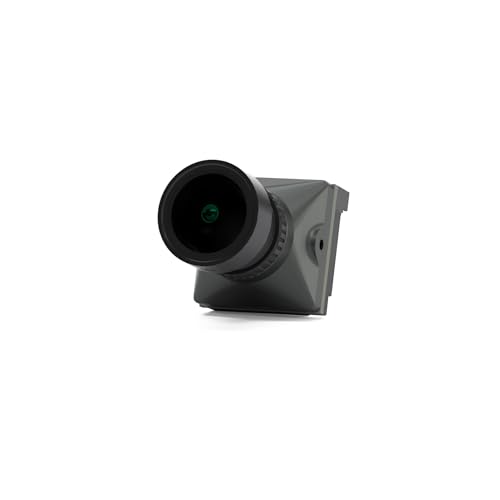
The Ratel Pro uses a 1/1.8″ sensor to deliver 1500TVL with Super WDR for improved detail in bright and dim lighting. It supports multiple video formats and aspect ratios, enabling seamless adaptation to 16:9 and 4:3 displays, NTSC or PAL systems. The camera’s low-light performance, with very low minimum illumination, makes it a strong choice for night flights or shaded indoor environments. Its build targets micro racers who demand high image fidelity without adding extra weight.
BETAFPV C03 FPV Micro Camera

BETAFPV’s C03 micro FPV camera offers 1200TVL resolution with Global WDR on a compact 1/3″ CMOS sensor. Its 2.1mm lens provides a 160° field of view, suitable for micro whoops and indoor flyers. Weighing just about 1.52g, this camera minimizes weight while maintaining image quality, making it a popular choice for Meteor-series micro drones and similar platforms. The camera’s lightweight design plus wide dynamic range supports stable visuals across varied indoor lighting and overhead shadows.
RunCam Nano 2 FPV Camera

RunCam Nano 2 offers a compact 700TVL imaging solution with a 1/3” CMOS sensor. It features a wide 170° field of view and a 0. qui ck Auto D-WDR for improved visibility in challenging lighting. Its small footprint makes it ideal for toothpick, micro quadcopter, and other ultra-light builds where every gram matters. The camera balances simplicity and performance for pilots who prioritize weight savings alongside solid image quality.
Buying Guide
- Sensor size and resolution: Larger sensors can improve low-light performance and dynamic range but may add weight; balance resolution with frame size and flight style.
- Lens and field of view: Wider FOV offers situational awareness but can introduce distortion; choose lens based on frame size and racing style (micro vs. Cinewhoop).
- Weight: Nano and micro cameras minimize weight for lightweight builds; heavier cameras can strain smaller frames and reduce agility.
- WDR and low-light performance: Global WDR helps maintain visibility in backlit or shadowed scenes; consider cameras with lux ratings for night flights.
- Durability and sealtight design: Dust-proof and weather-resistant designs extend lifespan in dusty or outdoor environments.
- Compatibility: Verify NTSC/PAL compatibility and aspect ratio support (4:3 vs 16:9) to match your VTX and goggles system.
- Ease of integration: Look for replaceable lens hoods or straightforward mounting options to simplify maintenance and upgrades.
When selecting an analog FPV camera, consider your drone size, flight environment, and whether you prioritize ultra-lightweight hardware or enhanced image fidelity in mixed lighting. The options above reflect a range of common setups from nano cinewhoops to micro racers, helping pilots find a camera that aligns with their performance goals and build constraints.