Finding the right amplification and connectivity options for a digital piano can improve your practice space and overall sound. This guide focuses on practical amplifiers and adapters that work well with digital pianos, keyboards, and home-audio setups. It’s ideal for players who want clearer sound, flexible connections, and reliable performance without overspending. The top picks below are chosen for compatibility with common digital pianos, keyboard amps, and home stereo systems. A quick buyer’s table follows to compare key details at a glance.
Product Snapshot
- QianLink 2 Pack 6.35mm to 3.5mm Adapter — Best for upgrading passive headphones or smartphones to a piano amp or keyboard output. Gray finish, gold-plated connectors.
- UGREEN 2 Pack 6.35mm to 3.5mm Adapter — Budget-friendly, durable brass construction, easy plug-and-play for keyboards and amps.
- Nobsound Mini Bluetooth 5.0 Power Amplifier — Best compact amp for Bluetooth streaming and desktop配置 for digital pianos and PCs.
- DROK 5W+5W Mini Audio Amplifier Board PAM8406 — Simple DIY-friendly stereo amp for small speaker setups and hobby projects.
- Facmogu F900S 160W Mini Bluetooth Power Amplifier — High-output, compact amp with Bluetooth, USB, and AUX inputs for larger setups.
QianLink 2 Pack 6.35mm to 3.5mm Adapter — Gold-Plated for Piano, Amp, and More

Best for converting 6.35mm instrument jacks to standard 3.5mm headphones or consumer audio. The 24K gold-plated connectors minimize corrosion and signal loss, making it suitable for piano amps or keyboards with large jacks. The adapters are crafted from solid brass copper, offering durability for frequent plug-in use.
Who it’s for: players who need a reliable, low-cost way to use consumer headphones or small audio devices with a digital piano or keyboard amp. It’s also a solid option for casual practice rooms that require quick adaptation between gear.
Limitations: These adapters are passive and do not offer any built-in amplification or impedance matching. If you need active volume control, pair with a dedicated amplifier.
Summary: The QianLink adapters provide a straightforward, durable connection bridge for 6.35mm and 3.5mm gear, ideal for piano practice setups where space and price matter.
UGREEN 6.35mm to 3.5mm Adapter — 2 Pack

Best for stable, high-quality signal transfer between 6.35mm audio sockets and 3.5mm devices. The adapter uses 24K gold-plated connectors to resist corrosion and minimize signal loss. It’s built with solid brass copper for better durability than plastic alternatives. The knurled edge provides a secure grip for easy plugging and unplugging, making it a dependable choice for frequent piano or studio use.
Who it’s for: players who value durability and ease of use when connecting keyboards, amps, or studio monitors to consumer headphones or small audio devices.
Caution: While designed for wide compatibility, verify your specific input/output impedance on your piano or amp if you’re pairing with high-power speakers.
Why selected: It combines reliability with a favorable price point, and its 360-degree grip helps long practice sessions without fatigue.
Nobsound Mini Bluetooth 5.0 Power Amplifier — 50W×2

Best for compact desktop setups that want Bluetooth streaming and solid power. This 100W total output (50W×2) amplifier is shown as a compact solution with integrated Bluetooth 5.0, AUX, and USB inputs. Its minimalist form factor makes it convenient for rooms where space is at a premium, such as apartments or small studios.
Who it’s for: digital piano players who want wireless audio streaming from a phone or computer to a compact amp, while maintaining decent output for practice rooms or small living spaces.
Limitation: While compact, the device’s built-in power supply and heat handling should be considered for longer sessions at high volumes. Monitor warmth during extended use.
Why selected: It offers a modern wireless workflow and ample power for small to mid-sized setups without requiring a full-size rack system.
DROK 5W+5W Mini Audio Amplifier Board PAM8406

Best for DIY or budget-conscious projects, this 5W+5W dual-channel Class D amplifier module is designed for small speaker systems and DIY audio projects. It supports a monaural input and uses a compact 5V supply with a focus on efficiency and low distortion. It’s a straightforward option for hobbyists building a compact piano or computer audio rig.
Who it’s for: hobbyists, students, or hobby studios who want a simple, low-cost amp to drive small speakers or create a compact practice speaker for a keyboard. Not ideal for large rooms or demanding pro usage.
Limitation: The module is designed for low power output; it’s not a substitute for larger keyboard amplifiers or professional-grade sound systems.
Why selected: It’s a practical entry point for hands-on amplification projects and for users who want to explore electronics with minimal upfront investment.
Facmogu F900S 160W Mini Bluetooth Power Amplifier — 2×80W
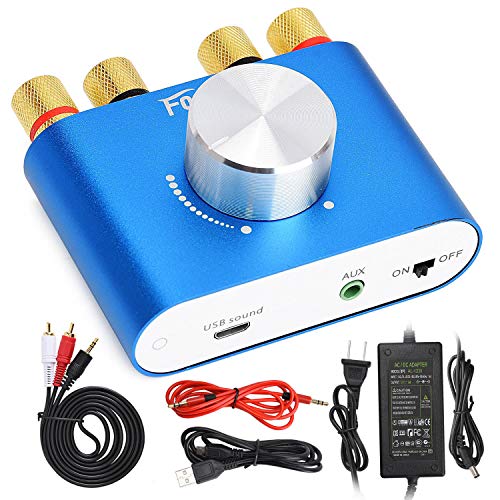
Best for larger compact rooms or small studios needing robust amplification. The F900S delivers 80W per channel into 4–8 ohms. It includes Bluetooth 5.0, USB, and AUX inputs, enabling flexible connections to phones, tablets, or PCs. The unit’s compact form fits neatly under a monitor or on a small shelf while providing strong, crystal-clear sound.
Who it’s for: players who want powerful built-in amplification in a compact chassis, with modern wireless input options and straightforward setup for home studios or living rooms.
Limitation: While powerful, the amp is still a compact device; ensure adequate ventilation and place it within reach of cables for a clean setup.
Why selected: It offers a strong power-to-size ratio and versatile inputs, making it a versatile choice for multi-device piano setups where space is tight but volume matters.
Buying Guide — Amp And Accessory Choices For Digital Pianos
What should you consider when picking a piano amp or adapter?
- Output power vs. room size: Small rooms benefit from 5–20W per channel devices; larger spaces may need 40–160W or more, especially with built-in speakers or external monitors.
- Input options: Bluetooth, AUX, USB, and 3.5mm inputs provide flexible connections to phones, tablets, and PCs. If you plan to stream audio wirelessly, prioritize Bluetooth 5.0 for stability.
- Impedance and speaker compatibility: Ensure the amplifier and any adapters can drive your piano’s speakers or external monitors without distortion. Check ohm ratings and recommended loads.
- Portability vs. performance: For practice spaces, compact amps with clean sound may be ideal. For performance setups, consider larger units with richer headroom and better shielding.
- Build quality and durability: Gold-plated connectors and brass construction reduce corrosion and signal loss, beneficial for long-term use in practice rooms or studios.
- Adapters and cables: When connecting 6.35mm (1/4″) outputs to 3.5mm jacks, ensure your adapters are reliable and keep signal loss minimal to preserve tone.
How do you match gear for a cohesive sound?
- Pair a compact yet capable amp (like the Nobsound Mini or Facmogu F900S) with a digital piano’s line-out for clear, room-filling sound without overdriving the speakers.
- Use 6.35mm to 3.5mm adapters to connect your headphones or small speakers to gear with larger jacks. Prefer gold-plated connectors for durability and signal integrity.
- Test different input sources (AUX, Bluetooth, USB) to determine which delivers the best latency and fidelity for your playing style.
FAQ
- Can I use any amplifier with a digital piano?
Most digital pianos provide line-out or headphone outputs that can feed a dedicated amplifier or powered speakers. Check your piano’s outputs and impedance requirements first. - Are adapters necessary for digital piano use?
Adapters are optional but helpful when your piano output and your speaker or headphone input use different jack sizes. They help maximize compatibility without buying new cables. - Is Bluetooth streaming suitable for piano practice?
Bluetooth is convenient for casual listening, but check for latency and synchronization with your playing. Wired connections may offer lower latency for live playing. - What’s the best setup for a small apartment?
A compact amp with Bluetooth and AUX, paired to the piano’s line-out or headphone jack, minimizes space while delivering clear sound. Use adapters as needed to connect devices. - Do these adapters affect tone quality?
Quality adapters with gold-plated connectors and solid conductors help preserve signal integrity. Poor connectors can introduce noise or loss, especially in longer cable runs.
Product Comparison Table
| Product | Best For | Key Features | Approximate Output | Input Options |
|---|---|---|---|---|
| QianLink 2 Pack Adapter | Connecting 6.35mm to 3.5mm | Gold-plated, durable; solid construction | Passive | 6.35mm to 3.5mm |
| UGREEN 2 Pack Adapter | Durable adapters for pro audio | Gold-plated; knurled edge | Passive | 6.35mm to 3.5mm |
| Nobsound Mini Bluetooth Amp | Compact wireless setup | Bluetooth 5.0; 100W total | 50W×2 | Bluetooth, AUX, USB |
| DROK PAM8406 Mini Amp | DIY small speaker projects | High efficiency; low distortion | 5W×2 (into 2Ω/5V) | Line in |
| Facmogu F900S | Powerful compact amp | 80W×2; Bluetooth 5.0; USB/AUX | 80W×2 | Bluetooth, USB, AUX |
These selections emphasize compatibility with digital pianos and keyboards, reliable connections, and practical performance in common home and studio environments. Whether you’re seeking a simple adapter solution or a compact, feature-rich amplifier, these options offer a spectrum of power, inputs, and form factors to fit different spaces and playing styles.