The market for all-in-one (AIO) FPV camera and transmitter kits has grown rapidly, offering compact, lightweight options for micro and mini drones. This guide highlights five reliable AIO FPV camera setups, covering different power outputs, mounts, and compatibility. Each option combines a camera with a VTX, often including an integrated antenna, to simplify builds and maintenance for FPV enthusiasts. Use this overview to compare form factors, weight, and feature sets before choosing a kit that fits your drone and flying style.
| Product | Brand | Key Features | Weight | Channel/Power Options |
|---|---|---|---|---|
| AKK BA3 5.8G 40CH AIO FPV Camera | AKK | 1/3″ CMOS, 4.7g, switchable 25/50/200mW, 600TVL | 4.7 g | 25/50/200 mW |
| RunCam Spotter V2 AIO | RunCam | OSD, mic, FOV170°, 700TVL, 40CH | — | 20–200 mW adjustable |
| Wolfwhoop WT03 Micro AIO | Wolfwhoop | 600TVL, 5.8G, Cloverleaf antenna | Very light | 25/50/200 mW adjustable |
| Wolfwhoop WT02 Ultra Micro AIO | Wolfwhoop | 600TVL, micro size, easy installation | Ultra light | 25/50/200 mW |
| AKK A11T 5.8G Micro AIO | AKK | OSD, smart audio, tiny 14×12mm | Very small | 25/200 mW |
Below are five selected AIO FPV camera options, organized to help you compare form factor, weight, and feature sets across popular brands. Each entry includes a direct link to the product page for quick reference.
AKK BA3 5.8G AIO FPV Camera

The AKK BA3 combines a micro AIO camera and VTX in a compact form factor. Weighing around 4.7 grams, it offers switchable output power at 25, 50, or 200 mW, compatible with 5.8 GHz goggles and monitors. It uses a 1S LiPo power source and is suitable for ultra micro drones. The integrated 600TVL CMOS sensor provides balance between weight and image clarity, making it a practical choice for Tiny Whoop and similar builds.
RunCam Spotter V2 AIO FPV Kit

The Spotter V2 blends a 170-degree FOV with a 700TVL sensor for wide, immersive views. Its 5.8G 40CH transmitter offers a broad range of channel options and adjustable power from 20 mW to 200 mW. An integrated microphone and an on-screen display (OSD) provide situational data for safer operation. This kit is designed for FPV drones, RC cars, boats, and planes, making it a versatile option for mixed-use setups.
Wolfwhoop WT03 Micro AIO FPV Camera
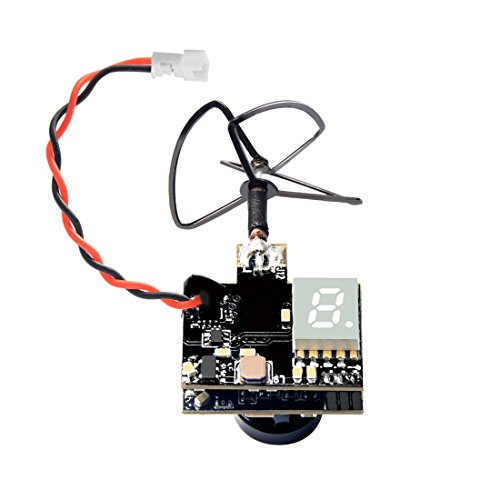
The WT03 provides a micro, lightweight AIO solution with 600TVL resolution and a Cloverleaf antenna. It supports multiple RX compatibility and is designed for ultra-light micro aircraft. The small form factor helps minimize weight, which is crucial for indoor and mini racing drones. It’s a plug-and-play option that reduces build complexity for hobbyists looking to upgrade their micro quads.
Wolfwhoop WT02 600TVL AIO

The WT02 Ultra Micro AIO pairs a 600TVL camera with a 5.8GHz transmitter in a micro package. It emphasizes easy installation and broad RX compatibility, making it a solid choice for DIY enthusiasts building or upgrading ultra-micro drones. The module’s compact size and accessible channel switching support fast, field-friendly tweaks during races or practice sessions.
AKK A11T Micro AIO FPV Camera
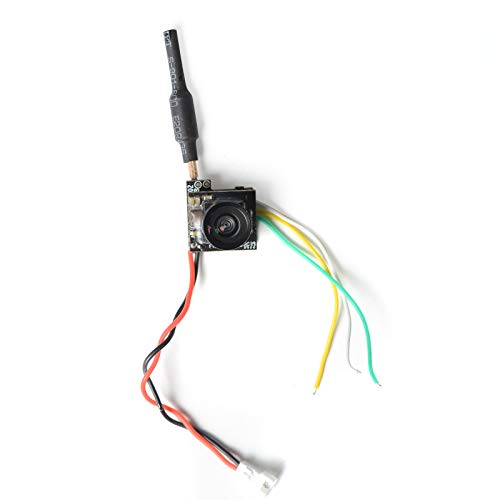
The A11T is a tiny All-in-One solution with smart audio and a compact 14×12mm footprint. It provides a simple one-button setup for frequency and power, making it convenient for pilots who want quick adjustments without complex menus. This model is well-suited for ultra-m micro builds and new FPV enthusiasts seeking a highly portable AIO option.
Buying Guide: Key Considerations For AIO FPV Cameras
When selecting an AIO FPV camera, consider weight, power options, and transmission range. Lighter systems benefit micro and nano drones, while higher mW outputs extend range at the cost of heat and battery consumption. Sensor resolution (e.g., 600TVL) affects image clarity in different lighting conditions; brighter environments tolerate higher bandwidth with less noise. OSD support and integrated mic can enhance situational awareness but may add minor processing delays. Compatibility with your goggles or monitors is essential, along with plug-and-play ease for quick upgrades. Look for modular components (antenna, cables) that suit your build and future upgrades.
Performance perspectives vary by drone type. For Tiny Whoops and micro racers, ultra-light, compact AIO kits minimize weight and drag, improving agility and battery life. For larger micro quads, a higher power option (200 mW) can improve video link stability in indoor/outdoor environments with interference. Some pilots prioritize built-in audio and OSD for a richer FPV experience, while others prefer a minimalist setup with fewer signals to manage. Assess your flying environment, preferred control range, and how often you upgrade your build to guide selection.