For reliable on‑the‑go internet, a 4G mobile broadband modem is a smart choice. This guide highlights five top options that balance speed, portability, and ease of use for different buyers—from travelers and remote workers to families needing backup connectivity. Each entry explains who benefits most, why the model was selected, and any limitations to consider. A quick buying table follows to help you compare core features at a glance.
| Product | Best For | Key Benefit |
|---|---|---|
| GOWENIC 4G LTE Modem | Phone, tablet, and laptop users needing up to 10 devices | High speed with secure, plug‑and‑play setup |
| NETGEAR LB1120 | Rural homes and backup internet | Primary connection option with easy sharing to multiple devices |
| Cudy LT500 | Home and small office with dual‑band Wi‑Fi | Dual‑band 2.4/5 GHz with strong antennas |
| NETGEAR LB2120 | Backup internet and flexible provider choice | Backup LTE with Wi‑Fi and wired device sharing |
| Estink 4G LTE USB Modem | Travelers needing USB modem or portable router | USB interface and up to 10 devices |
4G LTE Modem With 10‑Device Support

The GOWENIC 4G LTE Modem is a compact, plug‑and‑play mobile router designed for multiple devices. It supports both 4G and 3G networks with bands including B1, B3, B5, B8, and B38/39/40/41, providing broad coverage. This model features a built‑in 3000mAh power bank, which adds portability by enabling hotspot use on the go. It’s best for individuals or small groups who need a simple, all‑in‑one device for phones, tablets, laptops, and TVs without complex setup.
Best for: Individuals or small groups who value immediate 4G access and a built‑in power source for uninterrupted use. Why selected: Strong base features with wide band support and a long‑lasting battery. Caution: Battery life varies with usage; high data needs may drain power quickly.
NETGEAR LB1120 4G LTE Broadband Modem
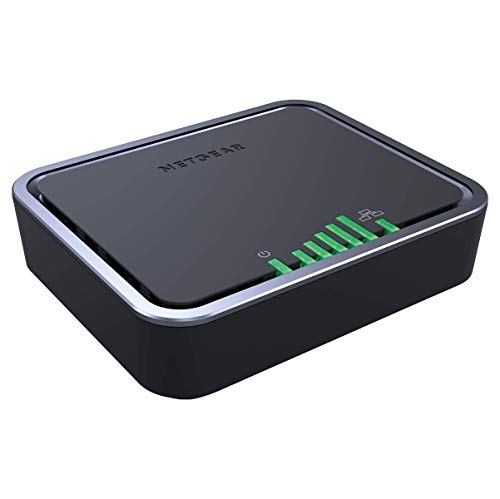
This NETGEAR device is designed as a primary internet option in rural or underserved areas, enabling you to connect a router and share the connection with all Wi‑Fi and wired devices. It’s easy to set up where fixed broadband is weak, and it supports LTE as the main line with 4G to 3G fallback. Best for: Homes needing an alternative to fixed broadband. Why selected: It offers a straightforward way to establish a shared LTE network. Caution: Not compatible with Verizon or Sprint networks in some regions.
Cudy LT500 Dual Band 4G LTE Modem Router
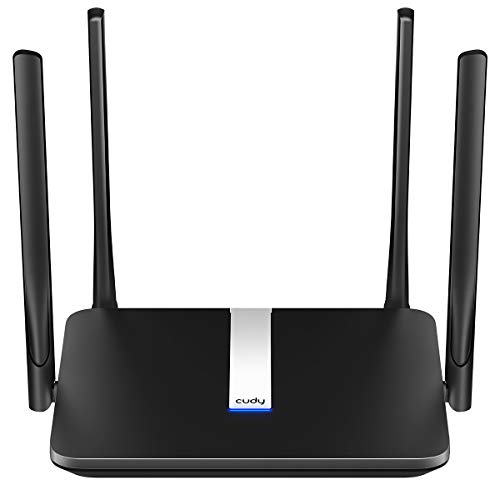
The Cudy LT500 is a versatile 4G LTE modem router with SIM card support and dual‑band Wi‑Fi (2.4 GHz and 5 GHz). It provides up to 150 Mbps downloads on 4G and up to 867 Mbps on the 5 GHz band, aided by four high‑gain antennas. This model suits households or small offices that want both strong LTE coverage and faster Wi‑Fi internally. Best for: Homes needing reliable LTE plus fast internal Wi‑Fi. Why selected: Dual‑band capability with strong antennas enhances overall network quality. Caution: Real‑world speeds depend on signal strength and carrier coverage.
NETGEAR LB2120 4G LTE Modem (Backup Internet)
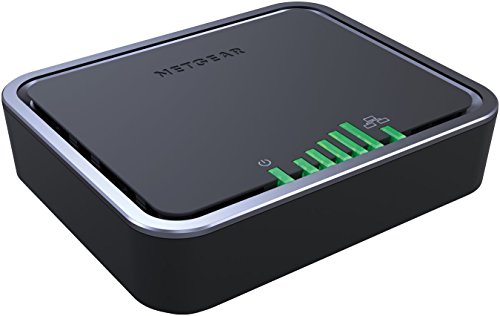
The LB2120 functions as a reliable backup internet connection. It’s ideal for areas with occasional outages or for households that want seamless offline protection. It can connect to a Wi‑Fi router to share LTE across Wi‑Fi and wired devices, with a focus on dependable fallback rather than primary streaming speed. Best for: Users needing a trusted LTE backup option. Why selected: Simple integration with existing routers for quick protection against service interruptions. Caution: Primary speeds may be lower than fixed broadband in peak times.
Estink 4G LTE USB Modem

The Estink USB Modem doubles as a portable router. It powers via USB, supports up to 10 devices, and works with a 3G/4G SIM card for mobile internet without needing a separate broadband connection. It’s suitable for travelers or those who want a compact hotspot that can plug directly into a laptop or power bank. Best for: Travelers and mobile workers who need a compact hotspot. Why selected: USB‑powered design and multi‑device support. Caution: Real‑world speeds depend on SIM plan and network coverage.
Joytutus 4G LTE Portable WiFi Router

The Joytutus 4G LTE portable router emphasizes extended coverage with a strong Wi‑Fi signal and a magnetic flip design for durability. It supports bands across the US and offers heat dissipation features to maintain stable performance. Best for: People who need a rugged, built‑in signal boost in a portable form. Why selected: Magnetic cover and heat management improve reliability in mobile use. Caution: The device relies on SIM card compatibility; verify carrier support before purchase.
Luqeeg 4G LTE USB Modem Travel Router

The Luqeeg device combines a 4G USB modem with a compact, portable router form. It supports up to 10 devices and uses LTE bands B1/2/3/5/7/8/20/40, offering flexibility in different networks. It is best for: Business travelers needing reliable hotspot access. Why selected: Unlocked design and multi‑device capacity make it a versatile travel companion. Caution: Network performance varies by carrier and SIM card plan.
NETGEAR LB2120 Two‑Gigabit Port Modem (Backup Internet)

Note: This entry is labeled for comprehensive comparison as a similar backup device. It emphasizes automatic 4G LTE connections and the ability to share connections across routers and devices. Best for: Users who want a dependable LTE backup with easy integration into existing networks. Why selected: Dual focus on 4G LTE speeds and simple sharing. Caution: Not compatible with every carrier; confirm compatibility in your region.
Buying Guide: Key Considerations For Your 4G Mobile Broadband Need
- Primary use case: Is this a primary internet solution, a backup, or a portable hotspot for travel? Choose accordingly to align with expected data needs and usage patterns.
- Network bands and compatibility: Check which bands the device supports and ensure your carrier operates on those bands for reliable performance.
- Wi‑Fi vs. USB modem: Decide if you want a router with built‑in Wi‑Fi or a USB modem that shares through a computer or dongle. This affects device compatibility and placement.
- Number of devices: If multiple devices will connect, prioritize models advertising multi‑device support and stable concurrent connections.
- Power options: Battery‑powered units provide portability; USB‑powered devices rely on a power source. Plan around where you’ll use the device most.
- Security and privacy: Look for encryption options and secure setup processes, especially when sharing across households or public spaces.
- Coverage and speed expectations: Real‑world speeds depend on carrier, signal strength, and plan. Use this to set realistic expectations for each model.
Frequently Asked Questions
- What is a 4G mobile broadband modem?
A 4G mobile broadband modem is a compact device that uses cellular networks to provide internet access. It can function as a portable hotspot or connect to a router to share LTE across multiple devices.
- Do I need a SIM card for these devices?
Most models require a SIM card from a mobile carrier to access the cellular network. Ensure your SIM plan supports data in your area and that the device is unlocked if you plan to switch carriers.
- Can a 4G modem replace fixed broadband?
In some cases, yes, especially in rural or underserved areas. However, speeds and reliability depend on network availability and carrier plan limits.
- How many devices can connect at once?
Many models support 5–10 devices simultaneously. Check the product documentation for the exact concurrent connection limit.
- What should I consider when choosing a backup internet device?
Prioritize reliability, ease of integration with your current router, and compatibility with your carrier, along with expected uptime during outages.
- Is 5G support important for a 4G modem?
If you want broader future compatibility, a model that also supports 5G, or at least is future‑proofed for evolving networks, can be beneficial. Otherwise, ensure strong 4G coverage in your area.