For creators pursuing immersive virtual reality content, choosing a reliable 360 camera is essential. This guide highlights five leading models that balance resolution, stabilization, and user-friendly features. Each option supports VR workflows, streaming, and post-production reframing. The selections prioritize versatility for action, travel, real estate storytelling, and everyday VR projects.
| Product | Brand | Key Benefit |
|---|---|---|
| Insta360 X3 | Insta360 | High-resolution 5.7K 360 with AI reframing |
| DJI Osmo 360 | DJI | 1-Inch sensor, 8K 360 video, strong low-light |
| AKASO 360 Weatherproof | AKASO | 5.7K capture with weatherproof design |
| GoPro MAX 360 (2025) | GoPro | Dual-lens 5.6K and versatile lens options |
| Asteroom 360 Camera Kit | asteroom | Smartphone-powered 360 tours with 3D capabilities |
Insta360 X3: 5.7K 360 HDR Action Camera

Insta360 X3 merges 5.7K 360 capture with a traditional action-camera workflow. It features 360 Active HDR video and AI-assisted reframing in the Insta360 app, allowing post-capture angle changes. The model uses dual 1/2″ sensors for broad dynamic range and 72MP stills, with 2.29″ touchscreen controls for on-device adjustments. Included accessories cover basic readiness for on-the-go shooting, such as a protective pouch and charging cable. Ideal for motorcycle and winter sports enthusiasts who want flexible VR-ready footage with post-production latitude.
DJI Osmo 360 Camera: 1-Inch Sensor, 8K VR

DJI Osmo 360 delivers a 1-inch sensor for improved low-light performance and sharp detail across 360° scenes. It supports native 8K 360° video with substantial onboard storage (105GB) and 120Mbps capture efficiency, enabling crisp panoramas in diverse conditions. The camera is designed for sports and travel, offering smooth, immersive footage with a wide 170° field of view and 4K/120fps options for slow-motion sequences. Its robustness makes it a strong contender for VR content creators seeking high-resolution, all-weather performance.
AKASO 360 Weatherproof Action Camera

AKASO’s 360 Weatherproof model emphasizes durability with water- and dust-resistance, ideal for outdoor VR shoots. It records 5.7K 360° video and uses 1/2″ 48MP sensors to deliver crisp panoramas and 72MP photos. The device includes 360° horizon lock for stable horizons and AI-driven tracking to keep subjects within frame. It also features a 2.29″ touchscreen for convenient framing and adjustments on location. A solid option for travelers and adventure filmmakers seeking weather-resilient VR capture.
GoPro MAX 360 (2025): 5.6K VR with Accessory Kit

GoPro MAX 360 (2025) provides dual-lens 5.6K spherical video with a straightforward switch to single-lens HERO mode. The included 50-piece accessory kit expands mounting and creative possibilities, enabling versatile VR content creation. The updated mounting system enhances compatibility with a broad ecosystem of gear, and the camera supports four digital lenses for precise framing. This option suits creators who need reliable VR-ready footage with flexible lens configurations and a robust accessory lineup.
Asteroom 360 Camera Kit: 3D Virtual Tours

The Asteroom 360 Camera Kit is designed for real estate and virtual tours. It transforms a smartphone into a 360-degree recording tool that outputs 360 panoramas suitable for 3D tours. The workflow supports HDR imagery, dollhouse visualizations, and floor plans for enhanced property presentations. The kit emphasizes quick setup, cloud-ready sharing, and post-production tools that convert 360 captures into immersive tours for web and mobile viewing. It suits professionals seeking turnkey 360 VR experiences for property showcases.
Insta360 ONE X2: 5.7K 360 with FlowState
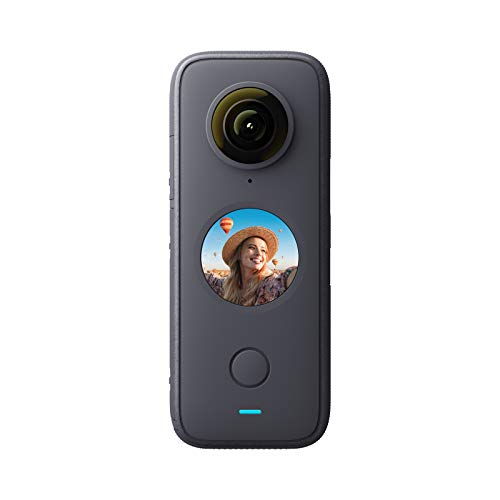
The Insta360 ONE X2 offers 5.7K 360 capture with FlowState stabilization and horizon leveling for smooth results without a gimbal. The device supports AI editing, live streaming, and webcam use, enabling VR-ready workflows across live and post-production scenarios. It provides versatile shooting modes and a compact, pocketable design, making it a popular choice for creators who prioritize portability and reliability when capturing immersive VR content.
Buying Guide: Key Purchase Considerations for 360 VR Cameras
- Resolution and image quality: Higher 360 video resolutions (5.7K–8K) deliver more immersive VR experiences, especially on large displays. Consider sensor size and low-light performance for diverse shooting conditions.
- Stabilization: FlowState and horizon-lock technologies help reduce shakiness in handheld or mounted shots. Evaluate whether electronic stabilization suffices or if a gimbal is needed.
- Field of view and lenses: Dual-lens setups offer spherical capture, while single-lens modes provide standard action-cam footage. Look for adjustable FOV options and digital reframing capabilities.
- Durability and weather resistance: Weatherproof or rugged designs expand the range of shooting environments, including snow, rain, and dust.
- Storage and battery life: Onboard storage capacity, as well as battery endurance, affect field usability. Consider models with efficient power management and expandable storage if needed.
- Post-production workflow: AI editing, reframing tools, and software compatibility impact time-to-publish. Confirm app ecosystem supports intended platforms and formats for VR.
- Accessories and ecosystem: Availability of mounts, tripods, and compatible accessories influences versatility. A robust accessory kit can improve on-location efficiency.
- Price-to-performance balance: Higher-end cameras offer better image quality and features, but mid-range models may satisfy most VR needs with easier workflows and lighter setups.
- Use case alignment: Real estate tours, adventure sports, and live VR streaming have different requirements. Define primary use to prioritize features like stabilization, HDR, or streaming capabilities.